Crock Pot Mongolian Beef
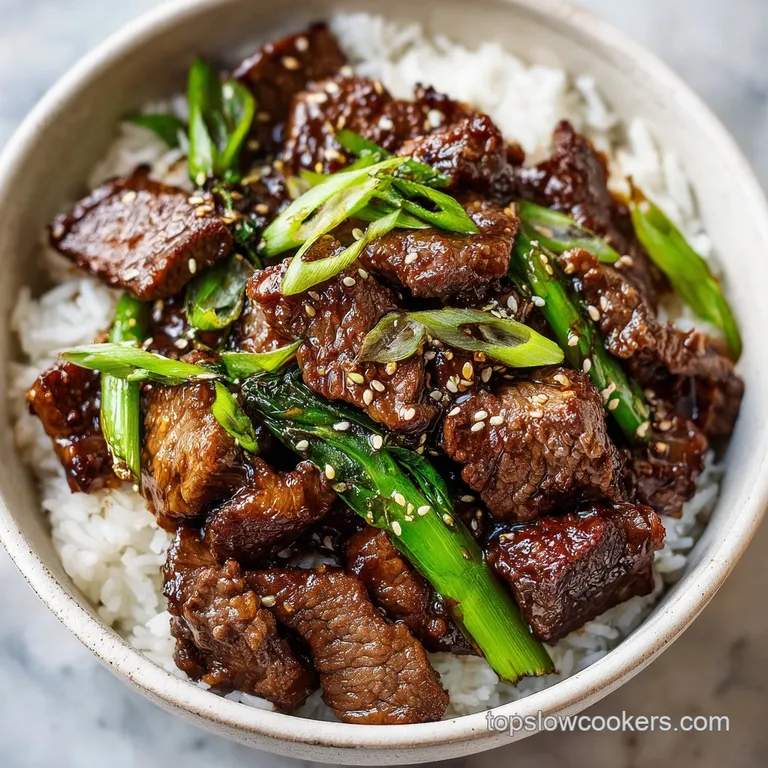
- Time: Active 20 minutes, Passive 4 hours, Total 4 hours 20 mins
- Flavor/Texture Hook: Velvety beef with a rich, soy ginger "shatter" of sweetness
- Perfect for: Busy weeknight comfort or a stress free Saturday family feast
- The Secret to Hearty Restaurant Style Mongolian Beef at Home
- The Essential Techniques for a Silky Sauce and Tender Meat
- Vital Statistics and Preparation Metrics for Your Meal
- The Essential Elements for a Rich Savory Glaze
- Minimal Tools Required for This One Pot Masterpiece
- Step-by-Step Guide to a Flawless Mongolian Beef Dinner
- Troubleshooting Common Pitfalls and Ensuring Perfect Results
- Creative Variations to Keep Your Dinners Exciting
- The Physics of Flavor: Debunking Common Kitchen Myths
- Proper Storage Guidelines and Zero Waste Kitchen Tips
- Presentation Techniques for a Truly Stunning Dinner Table
- High in Sodium
- Recipe FAQs
- 📝 Recipe Card
The Secret to Hearty Restaurant Style Mongolian Beef at Home
The first time I tried to make this dish, it was a disaster. I was standing over a scorching wok, smoke billowing, and the beef ended up tougher than a leather boot. I wanted that specific silkiness the kind where the sauce clings to the meat like a savory hug but I just couldn't get it right.
It wasn't until I started experimenting with the slow cooker that everything changed. I remember the afternoon the house started smelling like toasted ginger and dark sugar; I knew I’d finally cracked the code.
That sizzle you hear when the beef hits the pan for the initial sear is just the beginning. The real magic happens hours later when the fibers of the flank steak finally give up their resistance and become buttery tender.
It is a hearty, traditional meal that feels like you’ve spent all day slaving over a stove, even though the pot did 90% of the work. We are going for something substantial here a dish that fills the belly and warms the spirit.
There is a specific joy in lifting the lid of the slow cooker and seeing that mahogany sauce bubbling gently around the edges. It’s thick, it’s savory, and it’s exactly what a Tuesday night deserves.
I’ve made all the mistakes so you don't have to like using too much salt or skipping the cornstarch coating and today, we’re going to walk through the steps that actually work.
The Essential Techniques for a Silky Sauce and Tender Meat
The success of this recipe relies on a few core principles of heat and chemistry. While it seems simple, the interaction between the starch and the beef is what creates that iconic texture we all crave.
- Starch Gelatinization: The cornstarch coating acts as a protective barrier, trapping moisture inside the beef while thickening the sauce as it simmers.
- The Maillard Reaction: A quick flash sear before slow cooking creates complex flavor compounds that a slow cooker alone cannot achieve.
- Collagen Breakdown: The extended time at a low temperature allows the connective tissues in the beef to melt, resulting in a velvety mouthfeel.
- Osmotic Balance: Using low sodium soy sauce prevents the dish from becoming overly salty as the liquid reduces and the flavors concentrate.
Unlike the thinner broths found in a Slow Cooker Thick recipe, this glaze is designed to be viscous and coating.
The Physics of the Velveting Starch Bond
Cornstarch creates a microscopic physical shield around the protein. When heated, these starch granules absorb water and swell, preventing the beef proteins from over tightening and becoming tough during the long simmer.
| Thickness | Internal Temp | Rest Time | Visual Cue |
|---|---|---|---|
| 5mm Strips | 145°F (63°C) | 3 mins | No visible pink in the center |
| 10mm Strips | 145°F (63°C) | 5 mins | Surface is opaque and matte |
| 15mm Cubes | 150°F (66°C) | 5 mins | Edges begin to curl slightly |
It is vital to slice the meat against the grain. If you look closely at the beef, you’ll see long lines of muscle fiber. Cutting across those lines means your teeth don't have to do the hard work later. I once forgot this and ended up with "stringy" beef that ruined the whole vibe.
Trust me, take the extra minute to check the direction of the grain.
Vital Statistics and Preparation Metrics for Your Meal
When we talk about traditional comfort food, precision matters. We want a dish that is consistent every single time. This version of Mongolian Beef focuses on a balance of sugar and salt that creates a deep, resonant umami.
| Ingredient | Science Role | Pro Secret |
|---|---|---|
| 60ml Cornstarch | Texture modifier | Toss beef in a bag for an even, thin coating |
| 120ml Dark Brown Sugar | Caramelization agent | Use "dark" for higher molasses content and deeper color |
| 15ml Fresh Ginger | Protease enzyme | Grate from frozen to get a fine, aromatic paste |
The dark brown sugar is non negotiable for that authentic, sticky finish. Light brown sugar works in a pinch, but you lose that hint of molasses that makes the sauce feel so rich. If you are looking for a different flavor profile entirely, you might enjoy the smoky notes of a Crock Pot BBQ recipe, but for this dish, we want that sharp, ginger forward punch.
The Essential Elements for a Rich Savory Glaze
Gathering your ingredients is the most important part of the "minimal tools" philosophy. If you have everything ready, the actual cooking is a breeze.
- 907g flank steak or beef chuck roast: Sliced thin against the grain. Why this? Flank steak provides the best texture for thin, tender strips.
- Substitute: Top round steak (leaner, slightly firmer).
- 60ml cornstarch: Used to coat the meat. Why this? Provides the "velveting" effect common in Chinese American cuisine.
- Substitute: Arrowroot powder (gives a similar gloss).
- 30ml neutral oil: Such as canola or grapeseed. Why this? High smoke point for the initial sear.
- Substitute: Vegetable oil.
- 120ml low sodium soy sauce: The base of the umami flavor. Why this? Regular soy sauce is far too salty for slow cooking.
- Substitute: Tamari (for a gluten-free option).
- 120ml dark brown sugar: Packed. Why this? Creates the characteristic sweet and savory sticky glaze.
- Substitute: Coconut sugar (adds a toasted nuttiness).
- 120ml water: To balance the sauce. Why this? Prevents the sugar from burning during the long cook time.
- Substitute: Beef broth (for extra depth).
- 15ml fresh ginger: Minced. Why this? Provides a sharp, spicy aromatic backbone.
- Substitute: 5ml ground ginger (less vibrant but functional).
- 4 cloves garlic: Minced. Why this? Essential for the traditional aromatic base.
- Substitute: 10ml garlic paste.
- 2.5ml red pepper flakes: For heat. Why this? Adds a subtle back of-the throat warmth.
- Substitute: Sriracha sauce (more vinegar forward).
- 710ml fresh broccoli florets: Added at the end. Why this? Adds crunch and freshness to the heavy beef.
- Substitute: Snap peas or sliced carrots.
- 1 bunch green onions: Cut into 2.5cm pieces. Why this? Adds a mild onion bite and bright color.
- Substitute: Chives.
- 5ml toasted sesame seeds: For garnish. Why this? Provides a tiny nutty crunch to the finish.
- Substitute: Black sesame seeds.
Chef's Tip: Freeze your beef for 20 minutes before slicing. It firms up the fat and muscle, allowing you to get those restaurant thin slices without the meat sliding around under your knife.
Minimal Tools Required for This One Pot Masterpiece
One of the reasons I love this recipe is that it doesn't require a kitchen full of gadgets. You really only need a few basics to get professional results.
- Slow Cooker: A standard 6 quart (5.7 liter) model is perfect for this volume.
- Large Skillet: A heavy bottomed pan like a cast iron skillet (such as Lodge) is best for the initial sear.
- Mixing Bowl: For tossing the beef in cornstarch.
- Whisk: To ensure the brown sugar is fully dissolved in the soy sauce mixture.
- Tongs: Essential for flipping the beef strips without tearing them.
By keeping the tool list small, we minimize cleanup. Honestly, don't even bother with a fancy food processor for the ginger and garlic; a simple hand grater or microplane gives a better texture anyway.
step-by-step Guide to a Flawless Mongolian Beef Dinner
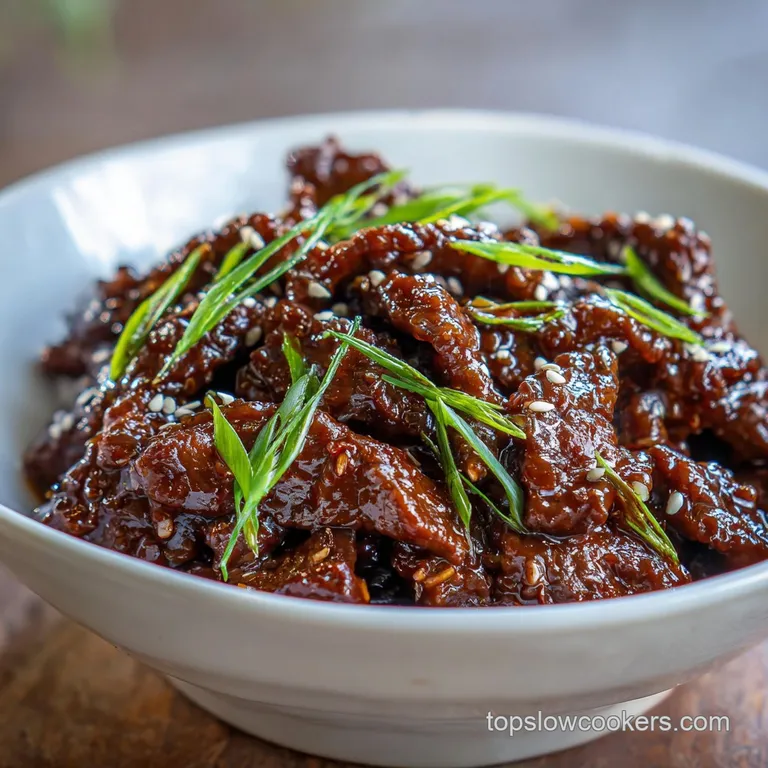
Now we get to the heart of the matter. Follow these steps closely, and pay attention to the sensory cues. Your kitchen is about to smell incredible.
- Slice the beef. Cut your 907g of beef against the grain into thin strips. Note: This ensures the beef is tender rather than chewy.
- Coat with starch. Place the beef in a bowl and toss with 60ml of cornstarch until every piece is white and dusty. The beef should look completely matte.
- Flash sear. Heat 30ml of oil in a skillet over high heat. Sear the beef in batches for 1-2 minutes until edges are browned and slightly crisp.
- Mix the sauce. In the slow cooker, whisk together 120ml soy sauce, 120ml brown sugar, 120ml water, 15ml ginger, 4 cloves of minced garlic, and 2.5ml pepper flakes.
- Combine. Transfer the seared beef into the slow cooker. Stir until the beef is fully submerged in the dark liquid.
- Slow cook. Cover and cook on LOW for 4 hours. The sauce should be thick and bubbling gently.
- Steam the greens. Thirty minutes before serving, toss in the 710ml of broccoli florets. Cook until they are vibrant green but still have a snap.
- Finish. Stir in the green onions. Let them sit for 2 minutes until they just begin to wilt.
- Garnish and serve. Sprinkle 5ml of toasted sesame seeds over the top before plating over hot rice.
| Comparison | Fresh Ingredients | Shortcut Version | Impact |
|---|---|---|---|
| Aromatics | Fresh Ginger/Garlic | Jarred Paste | Fresh is sharper; jarred is milder/sweeter |
| Beef | Flank Steak | Pre cut Stir Fry Strips | Flank is more tender; pre cut saves 10 mins |
| Broccoli | Fresh Florets | Frozen Broccoli | Fresh stays crunchy; frozen can become soft |
Troubleshooting Common Pitfalls and Ensuring Perfect Results
Even the best cooks run into a snag now and then. If things don't look quite right, don't panic. Most issues with this dish are easily fixed.
Why Your Beef Feels Tough
If the meat is resisting your fork, it usually means one of two things: it was cut with the grain, or it simply hasn't cooked long enough. In a slow cooker, "tough" meat often just needs another 30 minutes to let those fibers relax.
To Prevent a Thin, Watery Sauce
If you find the sauce isn't clinging to the meat, it's usually because the cornstarch didn't have enough "grip" or too much moisture was released from the vegetables.
For a Sauce That Isn’t Too Salty
Sodium levels can vary wildly between brands of soy sauce. If your sauce tastes like a salt lick, you can balance it out with a splash of rice vinegar or a little extra brown sugar.
| Problem | Root Cause | Solution |
|---|---|---|
| Gummy Sauce | Too much cornstarch | Stir in 30ml of hot water or beef broth |
| Mushy Broccoli | Added too early | Add broccoli only in the last 30 mins of cooking |
| Burnt Edges | High heat setting | Always use the LOW setting for beef to avoid scorching sugars |
Common Mistakes Checklist
- ✓ Pat the beef dry with paper towels before tossing in cornstarch (prevents clumping).
- ✓ Shake off excess starch before searing to avoid a "floury" aftertaste.
- ✓ Don't overcrowd the skillet - work in batches to ensure a proper brown crust.
- ✓ Use a low sodium soy sauce to control the final flavor concentration.
- ✓ Add the broccoli at the very end to maintain a bright, fresh texture.
Creative Variations to Keep Your Dinners Exciting
Once you've mastered the classic, you can start tweaking the recipe to fit your mood. This base is incredibly forgiving.
- For a Spicy Szechuan Twist: Add 15ml of chili crisp or increase the red pepper flakes to 5ml.
- For a Keto Friendly Version: Replace the brown sugar with a monk fruit erythritol blend and use xanthan gum instead of cornstarch.
- For a Leaner Profile: Switch the beef for chicken breast strips, reducing the cook time to 3 hours on LOW.
If you are a fan of these flavors but want something a bit more vegetable forward, you can try my Beef and Broccoli recipe, which uses a similar flavor profile but different ratios.
Adjusting for Different Batch Sizes
When scaling this recipe down (to half), use a smaller 3 quart (2.8 liter) slow cooker to ensure the liquid covers the meat. For doubling the recipe, work in multiple batches for the searing phase to maintain the pan's heat. Salt and spices should only be increased by 1.5x to avoid overwhelming the dish.
The Physics of Flavor: Debunking Common Kitchen Myths
There are a few old wives' tales about slow cooking that often lead people astray. Let's set the record record straight.
Myth: Searing "seals in" the juices. Truth: Searing actually causes a small amount of moisture loss. However, we do it for the Maillard reaction, which creates the deep, savory flavors that the slow cooker cannot produce on its own.
Myth: You must use expensive cuts of meat for slow cooking. Truth: The slow cooker was designed for tougher, cheaper cuts. While flank steak is traditional for Mongolian beef, a chuck roast works beautifully because its high fat content keeps the meat succulent over four hours.
Proper Storage Guidelines and Zero Waste Kitchen Tips
This dish actually tastes even better the next day as the ginger and garlic continue to permeate the beef.
Storage: Store leftovers in an airtight container in the fridge for up to 4 days. When reheating, add a tablespoon of water to loosen the glaze, as the cornstarch will cause it to set into a jelly like consistency when cold.
Freezing: You can freeze the cooked beef and sauce for up to 3 months. I recommend freezing the broccoli separately or adding fresh broccoli when you reheat, as frozen then thawed broccoli often becomes quite mushy.
Zero Waste Tip: Don't throw away those broccoli stalks! Peel the tough outer skin with a vegetable peeler, slice the tender inner core into matchsticks, and throw them into the pot along with the florets. They have a wonderful, water chestnut like crunch.
Presentation Techniques for a Truly Stunning Dinner Table
We eat with our eyes first, and a dark brown stew can sometimes look a bit monochromatic. To make this look restaurant quality, focus on contrast.
For Restaurant Quality Plating
Use a wide, shallow bowl rather than a deep one. Pile a generous portion of fluffy white jasmine rice on one side, and spoon the beef and broccoli on the other. This prevents the rice from becoming a soggy soup and allows the vibrant green of the broccoli to pop against the white rice.
The Final Flourish
The green onions should be added at the very last second. I like to cut half of them into 2.5cm batons to cook with the beef, and thinly slice the other half as a raw garnish. The combination of the wilted, sweet onions and the sharp, fresh ones adds a layer of complexity that is truly "chef kiss" worthy.
Finish with a heavy handed sprinkle of those toasted sesame seeds for a professional look.
I’ve served this at dinner parties and for quiet nights in, and it never fails to impress. It’s hearty, it’s savory, and it’s the kind of meal that makes you feel like a pro without the stress of a complicated recipe. Right then, let's get that slow cooker out and start searing!
High in Sodium
1005 mg mg of sodium per serving (44% % of daily value)
The American Heart Association recommends limiting sodium intake to about 2,300mg per day for most adults. Reducing sodium can improve your heart health.
Sodium Reduction Tips for This Recipe
-
Low-Sodium Soy Sauce-25%
Replace the regular low-sodium soy sauce with an even lower sodium alternative or a sodium free soy sauce substitute like coconut aminos. This can significantly reduce the sodium content of the dish without sacrificing flavor.
-
Dilute Soy Sauce-15%
Use half the amount of low-sodium soy sauce (60ml) and replace the other half with water (60ml). This helps to lower the overall sodium content while maintaining some of the savory flavor.
-
Reduce Brown Sugar-10%
Gradually reduce the amount of dark brown sugar used. Start by using 90ml instead of 120ml, as the sweetness contributes to the overall flavor profile but doesn't significantly impact sodium levels. Taste and adjust to your preference.
-
Spice It Up!
Use more fresh ginger, garlic, and red pepper flakes, or other sodium free spices to enhance the flavor profile. This helps to compensate for the reduction of sodium from other ingredients.
Recipe FAQs
What's the secret to tender Mongolian beef?
Slicing thinly against the grain and using a starch coating. The starch "velveting" protects the muscle fibers from tightening up during the low and slow cook, resulting in a silky texture. If you're enjoying mastering texture control here, see how the same principle of coating affects flavor in our Creamy Chicken Wild recipe.
What is the secret ingredient to Mongolian beef?
Dark brown sugar is essential for that authentic glossy glaze. While soy sauce and ginger build the flavor profile, the high molasses content in dark brown sugar creates the specific, sticky mahogany sauce that defines the dish.
What is the best beef to use for Mongolian beef?
Flank steak or beef chuck roast are the top recommendations. Flank steak sears well and slices beautifully thin, while chuck roast is economical and breaks down into buttery strands during the long cook time.
Can I put raw beef straight into a slow cooker?
No, you must sear the beef first for flavor development. While you technically can put raw meat in, skipping the high heat sear prevents the Maillard reaction, resulting in a dull, stew like flavor instead of the required deep, caramelized notes.
How do I prevent the sauce from being too thin after 4 hours?
Toss the raw beef heavily in cornstarch before searing. This starch absorbs liquid and thickens the sauce significantly as it cooks; if it's still thin, mix a slurry of 1 tablespoon cornstarch and 2 tablespoons cold water, then stir it into the slow cooker for the last 30 minutes.
Do I need to use fresh ginger or can I use ground ginger?
Yes, fresh ginger is highly recommended for the best result. Freshly grated ginger releases volatile oils that give the dish a sharp, bright aromatic punch that dried ground ginger simply cannot replicate.
Is it true I should only cook the vegetables for the last 30 minutes?
Yes, this is crucial for textural contrast. Adding firm vegetables like broccoli too early will cause them to turn olive green and mushy; keeping them separate ensures they retain a pleasant, snappy bite against the tender beef, similar to how we treat vegetables in a Crock Pot Ranch recipe.
Crock Pot Mongolian Beef
Ingredients:
Instructions:
Nutrition Facts:
| Calories | 551 kcal |
|---|---|
| Protein | 41 g |
| Fat | 26 g |
| Carbs | 35 g |
| Fiber | 2.5 g |
| Sugar | 22 g |
| Sodium | 1005 mg |
