Garlic Butter Chicken Pasta: Creamy and Golden
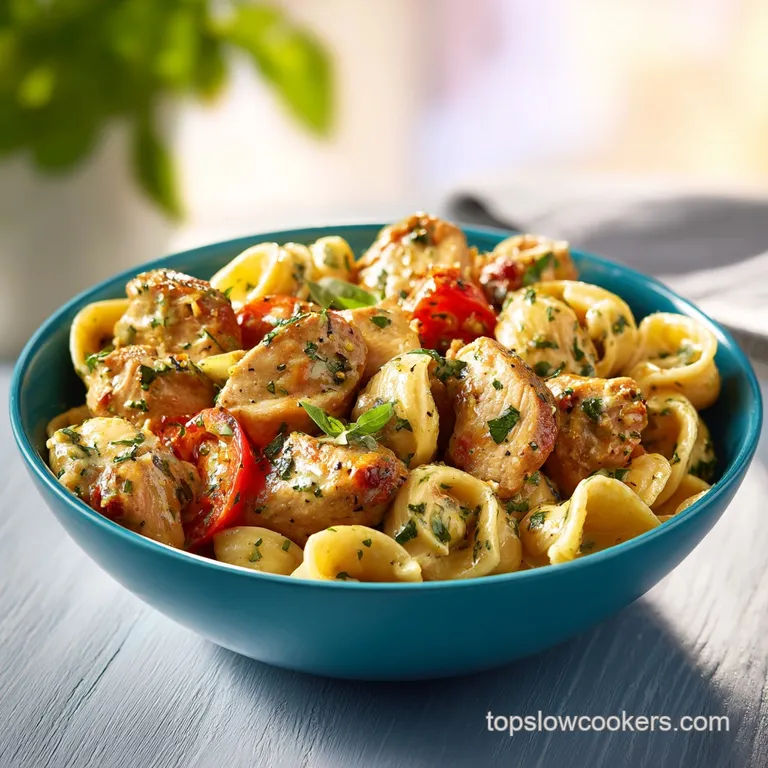
- Time: Active 15 minutes, Passive 15 minutes, Total 30 minutes
- Flavor/Texture Hook: Silky, garlic infused cream with golden, pan seared chicken bites
- Perfect for: Stress free weeknight dinners or a comforting weekend treat
- Create This Creamy Garlic Butter Chicken Pasta
- Why the Sauce Stays Silky and Smooth
- Analyzing the Essential Pasta Component Elements
- Essential Tools for a Fast Pasta Dinner
- Executing the Multi Stage Cooking Process
- Solving Common Pasta and Sauce Issues
- Smart Swaps and Flavor Variations
- Managing Your Leftovers and Storage
- Serving Suggestions for a Complete Meal
- Comparison: Fast Stovetop vs. Traditional Braised
- Practical Logic for the Busy Cook
- Very High in Sodium
- Recipe FAQs
- 📝 Recipe Card
Create This Creamy Garlic Butter Chicken Pasta
We’ve all been there: you’re craving a comforting bowl of pasta, but you end up with chicken that feels like chewing on a pencil eraser and a sauce that pools at the bottom of the bowl like a sad puddle.
It’s frustrating when the flavors just don't hang together, leaving you with a meal that feels more like a chore than a reward. The struggle usually comes down to two things: steaming the meat instead of searing it and failing to emulsify the dairy properly.
This approach changes everything by focusing on temperature control and the magic of pasta water. We’re going to get that skillet screaming hot to lock in juices, then build a velvet like coating that actually stays on the noodles.
You don't need a pantry full of specialized ingredients to make this happen; you just need to follow a few specific cues that turn basic kitchen staples into something truly special.
The result is a dish that feels far more indulgent than the 30 minutes total time suggests. We are moving away from the "dump and stir" method and toward a technique that ensures every bite is balanced.
Expect a hit of nutty garlic, the warmth of smoked paprika, and a cheese to cream ratio that provides maximum comfort without feeling heavy or greasy.
Why the Sauce Stays Silky and Smooth
Instead of just pouring cream over noodles, we use a few fundamental principles of heat and starch to ensure success.
- Fat to Aromatic Infusion: Sautéing the garlic in the residual chicken fat and butter allows the flavors to become "fat soluble," meaning the garlic taste permeates the entire sauce rather than just sitting on top.
- Starch Based Binding: Adding the reserved pasta water introduces starches that act as a bridge between the fats in the cheese and the liquids in the cream, preventing the sauce from breaking.
- The Foaming Point: Starting the chicken in a mixture of olive oil and foaming butter allows for a higher smoke point than butter alone while still providing that rich, toasted flavor profile.
- Carryover Cooking: By removing the chicken while we build the sauce, we prevent the breast meat from becoming tough and stringy during the simmering phase.
| Servings | Chicken Amount | Pasta Weight | Pan Size | Cook Time |
|---|---|---|---|---|
| 2 people | 0.75 lb | 6 oz | 10 inch | 12 minutes |
| 4 people | 1.5 lb | 12 oz | 12 inch | 15 minutes |
| 6 people | 2.25 lb | 18 oz | Large Braiser | 20 minutes |
Scaling this recipe is straightforward as long as you maintain the pan surface area. If you try to cook 2 pounds of chicken in a small pan, the meat will release moisture and boil in its own juices rather than developing that golden, crispy exterior. Always work in batches if your equipment is on the smaller side.
Analyzing the Essential Pasta Component Elements
To get the best results, it helps to understand why we are using these specific items and how they interact in the pan.
| Component | Role in Dish | Pro Secret |
|---|---|---|
| Heavy Cream | Provides the base viscosity and fat | Bring to a gentle simmer, never a rolling boil, to avoid curdling. |
| Parmesan Cheese | Adds salty depth and thickening power | Use a microplane for a fine grate; it melts instantly without leaving clumps. |
| Fresh Garlic | Delivers the primary aromatic punch | Grate the garlic instead of chopping for more surface area and intense flavor. |
| Pasta Water | Emulsifies the sauce and adds "silk" | Salt your water heavily; it should taste like the sea to season the pasta from within. |
The quality of your Parmesan makes a massive difference here. While the green canned stuff has its place, it contains anti caking agents like cellulose that prevent it from melting smoothly into a sauce. Grab a wedge of the real stuff and grate it yourself the difference in texture is undeniable.
The 12 oz fettuccine or pappardelle provides enough surface area for the 1.5 cups heavy cream to coat. If you use a thin noodle like angel hair, the sauce may feel overwhelming; if you use a chunky shape like rigatoni, you might need a splash more pasta water to fill the holes.
Essential Tools for a Fast Pasta Dinner
You don't need a kitchen full of gadgets, but two specific items make this much easier. A 12 inch skillet is non negotiable if you want to avoid crowding the 1.5 lb chicken breast bites.
A heavy bottomed skillet, such as a cast iron or a high-quality stainless steel pan, retains heat better than thin aluminum, which means a better sear.
You’ll also want a set of tongs. Tongs allow you to flip the chicken bites individually and, more importantly, they are the best tool for "marrying" the pasta to the sauce. By tossing the noodles vigorously with tongs while adding the pasta water, you create a mechanical emulsion that results in that glossy finish we're after.
Chef's Tip: Keep a small measuring cup right next to your pasta pot. It’s so easy to accidentally drain all that liquid gold down the sink. If you're forgetful, put the colander inside the measuring cup as a physical reminder to save that water!
Executing the Multi Stage Cooking Process
This method ensures that the chicken stays juicy while the sauce reaches its peak creaminess just as the pasta finishes boiling.
1. Searing for Maximum Flavor
Start by patting your 1.5 lb chicken breast bites completely dry. Any surface moisture will turn to steam, and steam is the enemy of a good crust. Toss them with 1 tsp smoked paprika, 1 tsp garlic powder, salt, and pepper. Heat 1 tbsp olive oil and 2 tbsp butter in your skillet over medium high heat.
Wait for that butter to stop sputtering and start foaming.
Add the chicken in a single layer. Let them sit undisturbed for 3 to 4 minutes. Resist the urge to poke them. You want to hear that consistent sizzle. Once they are golden, flip them for another 2 minutes.
They don't need to be 100% cooked through yet they will finish in the sauce later. Remove them and keep them on a plate.
2. Building the Emulsified Cream Sauce
While the pasta boils in a separate pot, turn the skillet heat down to medium. You should have some brown bits (fond) and fat left over. Add your 4 cloves of minced garlic. Cook for exactly 60 seconds. You’re looking for a nutty smell, not a burnt one.
Pour in the 1.5 cups heavy cream and use a wooden spoon to scrape up those flavorful brown bits from the bottom.
Once the cream is simmering, whisk in 1 cup freshly grated Parmesan. Do this gradually. If you dump it all in at once, it might seize into a ball. Keep whisking until the sauce looks like liquid velvet. If it feels too thick, this is where your 0.5 cup reserved pasta water comes into play.
3. The Final Marriage
Add the cooked pasta and the seared chicken (along with any juices on the plate!) back into the skillet. Use your tongs to toss everything together over low heat for about 60 seconds. This is the "marriage" phase where the starch in the pasta water and the fat in the cream bind together.
If the sauce looks dry, add another splash of that water. Garnish with 2 tbsp fresh parsley and extra black pepper.
Solving Common Pasta and Sauce Issues
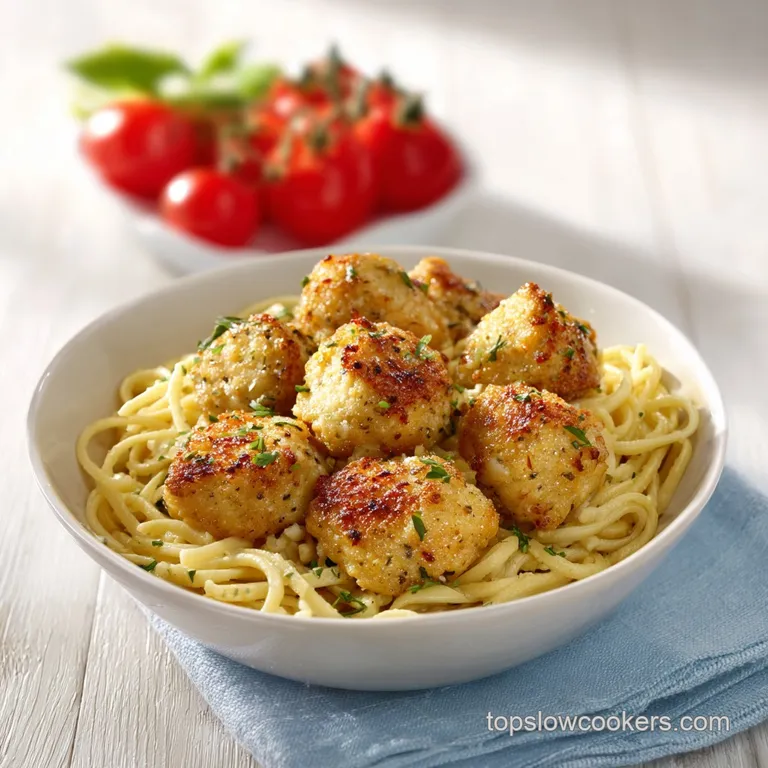
Even with a simple recipe, things can go sideways if the heat is too high or the timing is off. Here is how to fix the most common stumbles.
Why Your Sauce is Grainy or Gritty
If your sauce feels sandy on the tongue, it’s usually because the cheese didn't melt properly or the heat was too high. High heat can cause the proteins in the Parmesan to clump together rather than integrate.
Always turn the heat down before adding the cheese, and ensure you're using a finely grated block rather than pre shredded varieties.
Avoiding Dry Rubbery Chicken Bites
Chicken breast is lean, which means it overcooks in a heartbeat. If your bites are tough, you likely left them in the pan too long during the initial sear or let them simmer in the sauce for several minutes. Remember that the chicken continues to cook once it's removed from the heat (carryover cooking).
Aim to take it out just as it hits that golden color.
| Problem | Root Cause | Solution |
|---|---|---|
| Sauce is too thin | Not enough reduction or cheese | Simmer for 2 more mins or add extra Parmesan. |
| Chicken is white/gray | Pan was too crowded or not hot | Sear in two batches and ensure the butter is foaming. |
| Oily sauce separation | Sauce boiled too hard or no pasta water | Whisk in a tablespoon of pasta water over low heat. |
One mistake I once made was forgetting to salt the pasta water. I thought I could just salt the sauce at the end, but the noodles tasted flat. The pasta itself needs that internal seasoning. For another comforting take on poultry and noodles, you might enjoy my Slow Cooker Butter Chicken which uses a similar flavor profile with a longer cook time.
Common Mistakes Checklist:
- ✓ Pat the chicken dry with paper towels (essential for browning).
- ✓ Don't skip the pasta water; it’s the "glue" for your sauce.
- ✓ Use room temperature cream if possible to prevent thermal shock.
- ✓ Grate your own cheese to ensure a smooth, melt in-your mouth texture.
- ✓ Turn the heat down before adding dairy to prevent splitting.
Smart Swaps and Flavor Variations
This recipe is a fantastic canvas for whatever you have in the fridge. While the classic version is hard to beat, these adjustments can keep things interesting.
| Original Ingredient | Substitute | Why It Works |
|---|---|---|
| Heavy Cream | Half and Half + 1 tsp cornstarch | Lower fat but needs the starch to mimic the thickness. |
| Fettuccine | Zucchini Noodles (Zoodles) | Great low carb swap. Note: Add zoodles at the very end to avoid sogginess. |
| Chicken Breast | Large Shrimp | Cooks faster (2 mins per side). Adds a sweet, briny flavor. |
If you’re looking for a bigger flavor shift, try adding a tablespoon of Cajun seasoning to the chicken instead of the paprika and garlic powder. It turns this into a "Pastalaya" style dish that has a bit more kick.
You could also toss in a handful of fresh baby spinach at the very end; the residual heat from the pasta will wilt it perfectly without turning it into mush.
If you are a fan of using your kitchen appliances for easier prep, check out this Slow Cooker Indian Butter Chicken which handles the tenderizing for you. But for a 30 minute weeknight win, the stovetop method is king.
Managing Your Leftovers and Storage
Dairy based sauces can be a little finicky when they cool down, but you can definitely make this work for meal prep.
- Storage: Keep leftovers in an airtight container in the fridge for up to 3 days. The sauce will thicken significantly as it cools and the pasta absorbs the moisture.
- Reheating: Avoid the microwave if you can. It tends to make the chicken rubbery and separates the sauce into oil. Instead, put the pasta in a small skillet with a splash of milk or water. Heat it over low, tossing constantly, until it becomes creamy again.
- Zero Waste: Don't throw away those Parmesan rinds! Toss them into your next batch of soup or a slow cooking marinara. They add a deep, savory umami that you can't get any other way.
- Freezing: I generally don't recommend freezing cream based pasta dishes. The dairy often breaks upon thawing, resulting in a grainy texture. If you must, freeze the chicken and sauce separately from the pasta, then combine them fresh.
Serving Suggestions for a Complete Meal
Since this dish is quite rich and cheesy, it benefits from a side that has a bit of acidity or crunch. A simple arugula salad with a lemon vinaigrette is my go to. The peppery bite of the greens cuts right through the heavy cream.
If you're feeling extra hungry, garlic bread is the classic companion, though it might be "garlic overkill" for some. Alternatively, roasted broccoli or asparagus provides a nice textural contrast.
Honestly, don't even bother with low-fat cheese here; the joy of this dish is in its silkiness, and you need that fat content to achieve the right mouthfeel.
Comparison: Fast Stovetop vs. Traditional Braised
| Feature | 30 Minute Stovetop | Traditional Slow Braise |
|---|---|---|
| Chicken Texture | Firm and seared | Falling apart tender |
| Sauce Base | Emulsified cream | Reduced stock and wine |
| Effort Level | High active / Short time | Low active / Long time |
This stovetop method is designed for speed without sacrificing that deep, savory "cooked all day" flavor. By browning the chicken properly and using the pan drippings for the sauce, you're getting maximum results with zero fuss.
Practical Logic for the Busy Cook
If you're in a rush, here’s how to make decisions on the fly: If you want a thicker sauce, let the cream simmer for 3 minutes before adding the cheese. If you want a lighter feel, swap half the cream for chicken broth and add a squeeze of lemon.
If you want more crunch, top the finished dish with toasted panko breadcrumbs mixed with parsley.
This Garlic Butter Chicken Pasta is all about the balance between the golden sear and the velvet sauce. Once you get the hang of saving that pasta water and controlling your skillet heat, you'll find yourself reaching for this recipe every single Tuesday night.
It's simple, it's reliable, and it's exactly what a weeknight dinner should be. Now, get that water boiling and let's get cooking!
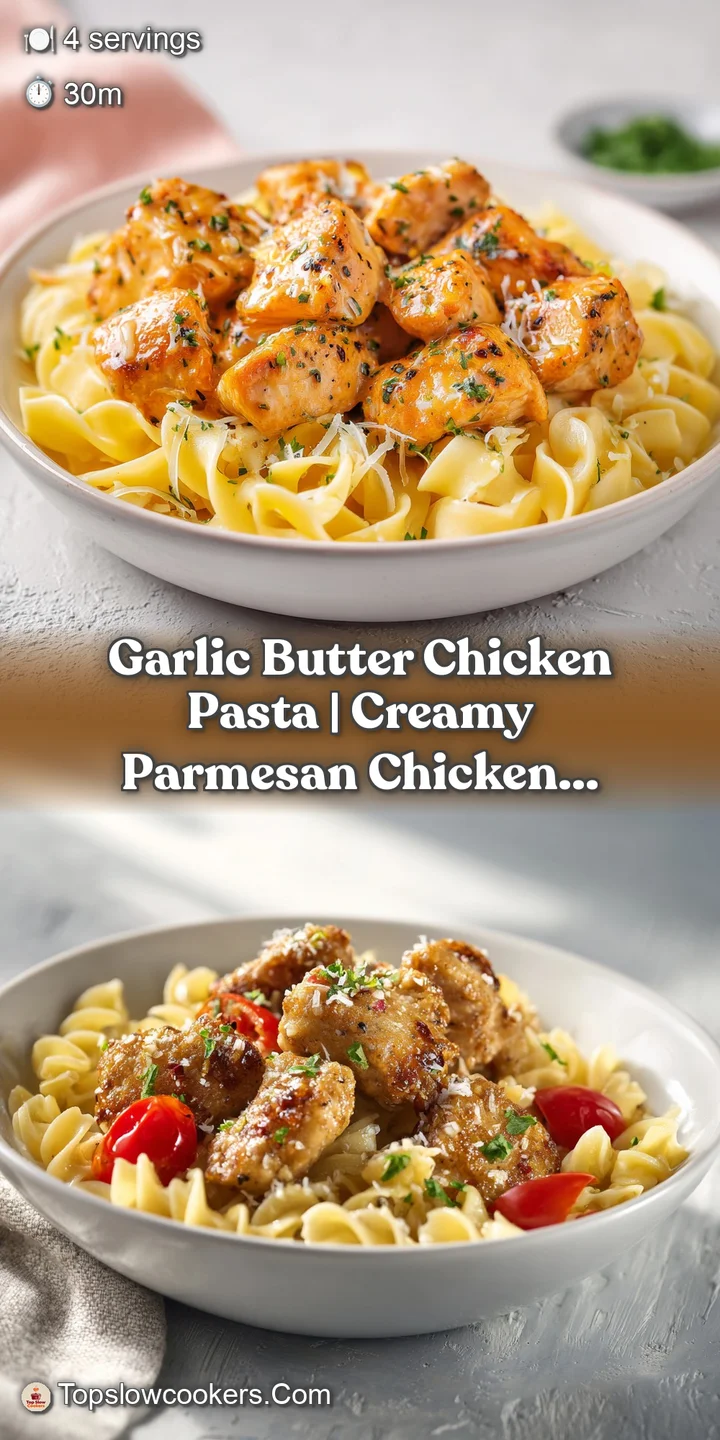
Very High in Sodium
845 mg of sodium per serving (37% of daily value)
The American Heart Association recommends limiting sodium intake to less than 2,300mg per day. This recipe's current sodium level is a concern.
Tips to Reduce Sodium
-
Reduce Parmesan Cheese-15%
Parmesan cheese is a significant source of sodium. Reduce the amount by half or use a 'low sodium' version if available. You can also try adding a pinch of nutritional yeast for a cheesy flavor without the salt.
-
Omit Added Salt-25%
The recipe calls for 'Kosher salt to taste.' Eliminate this entirely. The chicken seasoning, butter, and cheese already contribute sodium, and you can enhance flavor with other ingredients.
-
Emphasize Fresh Aromatics
Fresh garlic and parsley add vibrant flavor without sodium. Increase the amount of fresh garlic and parsley to boost taste and compensate for reduced salt.
-
Boost Spices and Herbs
Beyond the paprika and garlic powder already in the chicken, consider adding other sodium free spices like cayenne pepper for heat, dried oregano, or basil to the sauce.
-
Use Unsalted Butter
You are already using unsalted butter, which is great! Continue to ensure you are using unsalted butter to avoid adding unnecessary sodium.
Recipe FAQs
How to ensure the chicken stays juicy and does not dry out?
Pat the chicken bites completely dry with paper towels before seasoning. This removes surface moisture, allowing the chicken to develop a golden crust quickly over medium high heat without overcooking the inside.
Is it necessary to use freshly grated Parmesan cheese?
Yes, always use fresh. Pre-grated cheese contains anti caking agents like cellulose that prevent it from melting into the smooth, silky consistency required for this sauce.
How to fix a sauce that is not clinging to the pasta?
Whisk in the reserved starchy pasta water gradually. The starch in that water acts as a natural binder, helping the heavy cream and Parmesan emulsion to coat the noodles perfectly. If you enjoyed the emulsification technique used here, apply this same principle when adjusting the consistency of any cream based sauce.
How to prevent the garlic from burning in the skillet?
Reduce the skillet heat to medium immediately after removing the chicken. Sauté the minced garlic for exactly 60 seconds; if it turns brown, it will taste bitter rather than nutty and fragrant.
Should I move the chicken around while it sears?
No, leave the chicken undisturbed for the first 3-4 minutes. Moving it too early prevents the Maillard reaction, which is the key to creating the flavorful, golden brown crust that defines this dish.
How to know exactly when the pasta is al dente?
Taste a strand one minute before the package instructions suggest. It should be firm to the bite but not hard in the center, ensuring it holds its texture after being tossed in the warm sauce.
How to store leftovers without the sauce breaking?
Store in an airtight container in the refrigerator for up to two days. When reheating, add a tablespoon of water or cream to the skillet over low heat to help re-emulsify the sauce and restore its creamy texture.
Garlic Butter Chicken Pasta
Ingredients:
Instructions:
Nutrition Facts:
| Calories | 1079 kcal |
|---|---|
| Protein | 74g |
| Fat | 55g |
| Carbs | 67g |
| Fiber | 2.5g |
| Sugar | 4.2g |
| Sodium | 845mg |
