Dulce De Leche: Creamy and Caramelized
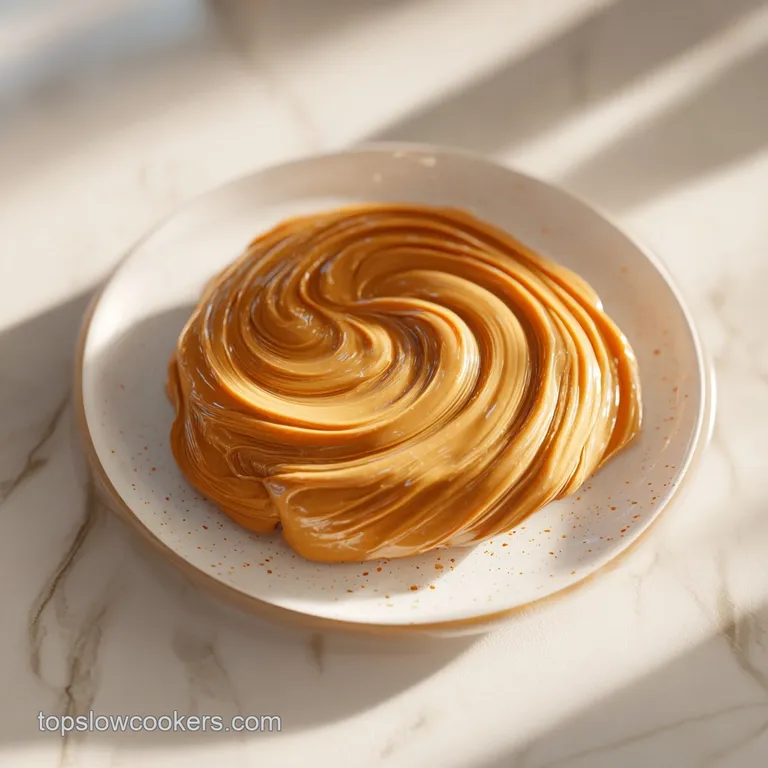
- Time: Active 15 minutes, Passive 80 minutes, Total 95 minutes
- Flavor/Texture Hook: Toasted, nutty sweetness with a silky, spreadable finish
- Perfect for: budget-friendly gifts, filling pastries, or topping morning grains
- The Secret to Making Authentic Dulce de Leche
- Key Benchmarks for Timing and Yield Standards
- Component Analysis and Ingredient Deep Dive
- The Zesty Latin Elements for Your Homemade Sauce
- Essential Tools for a Fluffy and Velvety Finish
- Mastering the Reduction for Your Dulce de Leche Dessert
- Fixing Common Texture and Flavor Issues Naturally
- Adjusting Batch Sizes for Large Gatherings
- Traditional Lore and Kitchen Misconceptions
- Best Practices for Keeping Your Milk Jam Fresh
- Pro Tips for Drizzling and Garnish Excellence
- Recipe FAQs
- 📝 Recipe Card
The Secret to Making Authentic Dulce de Leche
In the bustling markets of Mexico and the quiet kitchens of Argentina, the scent of simmering milk defines the afternoon. It is a fragrance that starts thin and sweet, much like a vanilla steamer, but slowly deepens into something much more complex.
People call it "Manjar," "Arequipe," or "Cajeta," but the soul of the dish remains the same: patience. Growing up, I remember the silver spoon standing upright in the pot, a superstition meant to prevent the milk from boiling over, though we now know a heavy bottomed pan does the heavy lifting.
This isn't just a sauce; it's a cultural staple that turns a few basic pantry items into gold. Using coconut sugar instead of white refined sugar gives it a head start on that deep mahogany color and adds a zesty, almost toasted marshmallow undertone.
It’s the ultimate budget friendly luxury that makes even a simple bowl of fluffy rice feel like a celebration.
We aren't looking for a quick fix here. While you can find canned versions, nothing matches the shimmer and depth of a homemade batch. I once tried to rush it by cranking the heat, only to end up with scorched milk and a broken heart. Trust me, the slow simmer is where the magic happens.
You’ll know you’re close when the aroma shifts from "sweet milk" to "dark honey" and the bubbles start to look like thick, molten lava.
Key Benchmarks for Timing and Yield Standards
To get this right, we need to respect the clock and the heat. This recipe yields 12 generous servings, making it ideal for a week of treats.
- Alkalinity Control
- The baking soda raises the pH of the milk, which speeds up the browning process while keeping the proteins from clumping together.
- Evaporation Focus
- A wide skillet is your best friend because it provides more surface area, allowing moisture to escape faster than a narrow pot.
- Fat Stability
- Using whole milk is non negotiable; that fat is what gives the final sauce its velvety mouthfeel and prevents it from turning into hard candy.
- Viscosity Check
- The sauce thickens significantly as it cools, so we pull it off the heat while it still looks slightly pourable.
| Method | Total Time | Texture Outcome | Best For |
|---|---|---|---|
| Stovetop (Skillet) | 95 mins | Silky and glossy | Precision control and speed |
| Oven (Water Bath) | 3 hours | Denser and darker | Set it and forget it batches |
| Slow Cooker | 8 hours | Thick and jam like | Large quantities for gifting |
Using the stovetop method described here gives you the most control over the "nappe" stage, where the sauce coats the back of a spoon perfectly. It requires a bit more attention, but the results are far superior for drizzling over a Tres Leches cake recipe.
Component Analysis and Ingredient Deep Dive
Understanding why we use these specific items helps you avoid a grainy mess. Every gram matters when you're reducing liquids to their essence.
| Ingredient | Science Role | Pro Secret |
|---|---|---|
| Whole Milk | Protein & Fat Base | Never use skim; the lack of fat leads to a chalky finish. |
| Baking Soda | pH Regulator | It prevents the milk proteins from curdling during the long cook. |
| Coconut Sugar | Sweetener & Pigment | Adds a natural molasses note that mimics hours of caramelization. |
| Sea Salt | Flavor Contrast | A tiny amount cuts through the sugar to make the flavor pop. |
The Zesty Latin Elements for Your Homemade Sauce
When you're shopping, look for the freshest whole milk you can find. It makes a difference in the clean, creamy aftertaste of the final product.
- 1 liter whole milk: Provides the base proteins and fats. Why this? Essential for the creamy structure and authentic mouthfeel.
- Substitute: 1 liter goat milk for a traditional Mexican "Cajeta" style flavor.
- 150g coconut sugar: Adds deep sweetness and a zesty, earthy color. Why this? Caramelizes faster than white sugar with a richer nutrient profile.
- Substitute: 150g brown sugar if you want a more traditional butterscotch note.
- 1/2 teaspoon baking soda: Controls the browning and texture. Why this? Keeps the mixture smooth and prevents graininess.
- Substitute: None. This is vital for the science of the browning.
- 1 teaspoon pure vanilla bean paste: Infuses the sauce with floral warmth. Why this? The flecks of bean look stunning in the finished jar.
- Substitute: 1 teaspoon vanilla extract, though the flavor is slightly less intense.
- 1/4 teaspoon flaky sea salt: Balances the sugar. Why this? Brightens the overall profile and adds a professional finish.
- Substitute: 1/4 teaspoon kosher salt if flaky salt isn't available.
Essential Tools for a Fluffy and Velvety Finish
You don't need a lab, but a wide skillet is better than a deep saucepan. The more surface area you have, the faster the water evaporates, and the sooner you get to eat. A heavy bottomed pan, like a stainless steel or enameled cast iron, prevents those dreaded hot spots that lead to scorching.
You will also want a heat resistant silicone spatula. It’s better than a wooden spoon because it can scrape every millimeter of the bottom and corners, ensuring no sugar crystals hang around to make the batch grainy. Finally, have a fine mesh strainer ready.
Even the best cooks get a little "skin" on the milk occasionally; straining ensures a shimmering, silky finish every single time.
Mastering the Reduction for Your Dulce de Leche Dessert
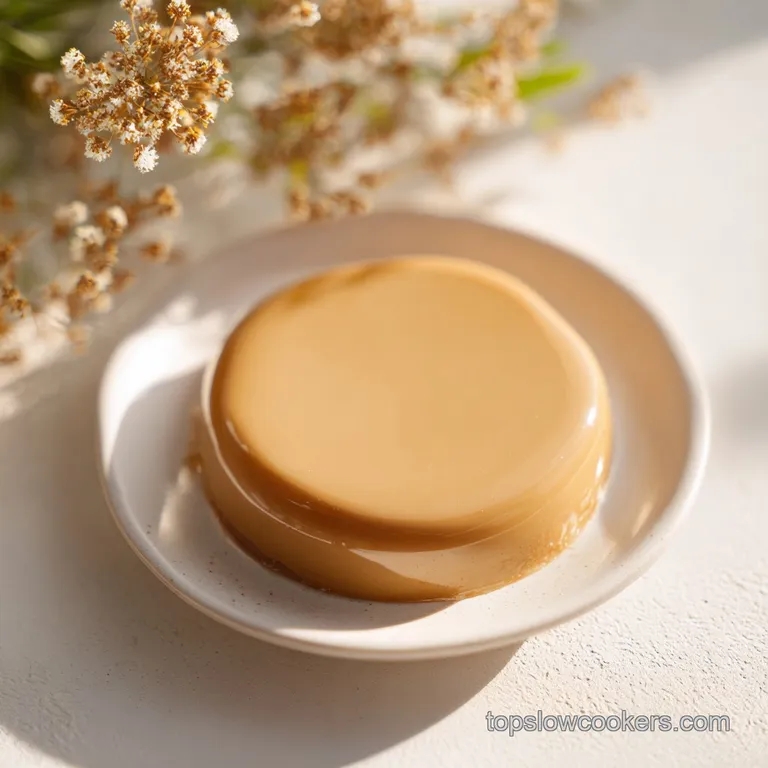
- Combine the whole milk, 150g coconut sugar, and 1/4 teaspoon sea salt in a wide, heavy bottomed skillet over medium heat. Note: Using a wide pan can shave 20 minutes off the total cook time.
- Stir the mixture constantly with your spatula until the sugar has completely dissolved and the milk begins to steam. Watch for a light vapor rising from the surface.
- Whisk in the 1/2 teaspoon baking soda once the milk is hot. Note: It will foam up like a science project; this is the pH shifting to favor browning.
- Reduce the heat to medium low to maintain a gentle, consistent simmer. Look for small, lazy bubbles rather than a rolling boil.
- Simmer for 60 to 75 minutes, scraping the bottom and sides every 5 to 10 minutes. Listen for the sound to change from a thin splash to a thick sizzle.
- Whisk in the 1 teaspoon vanilla bean paste once the liquid reduces by half and smells like toasted marshmallows. The color should now be a deep, dark mahogany.
- Continue cooking until the mixture is thick enough to leave a trail when you run the spatula through it. It should resemble warm pudding.
- Remove from the heat immediately and whisk vigorously for two minutes. Note: This emulsifies the fats for a glossy look.
- Strain the hot liquid through a fine mesh strainer into a clean glass jar. This removes any tiny bits of scorched milk for a velvety texture.
- Allow the jar to sit at room temperature until cool before sealing. The sauce will thicken significantly as the temperature drops.
Fixing Common Texture and Flavor Issues Naturally
One of the biggest heartbreaks is spending 90 minutes on a sauce only to have it turn out grainy. This usually happens if the sugar isn't fully dissolved at the start or if the heat was too high, causing the proteins to tighten up too quickly.
Why Your Sauce Feels Grainy
If you find little "sand" particles in your teeth, it's likely sugar crystallization. This happens if you didn't scrape the sides of the pan well, and dry sugar fell back into the pot.
| Problem | Root Cause | Solution |
|---|---|---|
| Gritty Texture | Sugar crystallization | Return to pan with 2 tbsp water, heat gently, and whisk. |
| Burnt Aftertaste | Heat was too high | Strain immediately; if it's too dark, use it in coffee. |
| Too Runny | Not enough reduction | Simmer for another 10 minutes; remember it thickens when cold. |
Common Mistakes Checklist
- ✓ Never leave the pan unattended for more than 5 minutes; it can boil over in seconds.
- ✓ Use a heavy skillet to avoid "hot spots" that burn the milk proteins.
- ✓ Don't skip the baking soda; without it, the milk will curdle instead of caramelizing.
- ✓ Always strain the final product; even a tiny bit of milk skin can ruin the velvety feel.
- ✓ Avoid using non stick pans if possible, as they don't always distribute heat evenly for slow reductions.
Adjusting Batch Sizes for Large Gatherings
Scaling this recipe is straightforward, but the time doesn't scale linearly. If you double the recipe (using 2 liters of milk), don't expect it to take exactly twice as long. Because you have more volume, the evaporation takes longer. Use the widest pan you own to keep the time under control.
When halving the recipe, be very careful. The liquid will reduce extremely quickly, and it is much easier to burn a small batch. I recommend reducing the heat slightly and checking the consistency every 3 minutes toward the end.
For larger batches, only increase the baking soda and salt to 1.5x the original amount to avoid an overly metallic or salty finish.
Traditional Lore and Kitchen Misconceptions
There’s a common myth that you need to cook a closed can of sweetened condensed milk in boiling water to get real Dulce de Leche. While that works in a pinch, it’s not the authentic way. Traditional recipes start with fresh milk.
The "can method" often results in a metallic taste and doesn't allow the flavors of the vanilla and salt to truly meld during the reduction.
Another misconception is that you can't make this with alternative sugars. While white sugar is standard, coconut sugar actually provides a more complex flavor profile with less "empty" sweetness. It behaves similarly in terms of caramelization, though it produces a darker result much faster.
Searing or "sealing" the milk isn't a thing; the goal is consistent, gentle heat to allow the Maillard reaction to flourish without burning the solids.
Best Practices for Keeping Your Milk Jam Fresh
Once your sauce is cool, it needs to live in the fridge. Because it is a dairy based reduction, it is sensitive to temperature changes. It will stay fresh and velvety in an airtight glass jar for up to 2 weeks.
If it gets too firm in the fridge, just scoop out what you need and microwave it for 10 seconds to bring back that drizzling consistency.
For long term storage, you can actually freeze Dulce de Leche! Put it in a freezer safe container, leaving a little room for expansion, and it will last for 3 months. To use it, thaw it overnight in the fridge. If you have leftovers that are starting to crystallize, don't throw them out.
Stir them into a warm bowl of fluffy grains or use them as a base for a zesty caramel latte. Zero waste is the goal, and this sauce is too precious to waste a single drop.
Pro Tips for Drizzling and Garnish Excellence
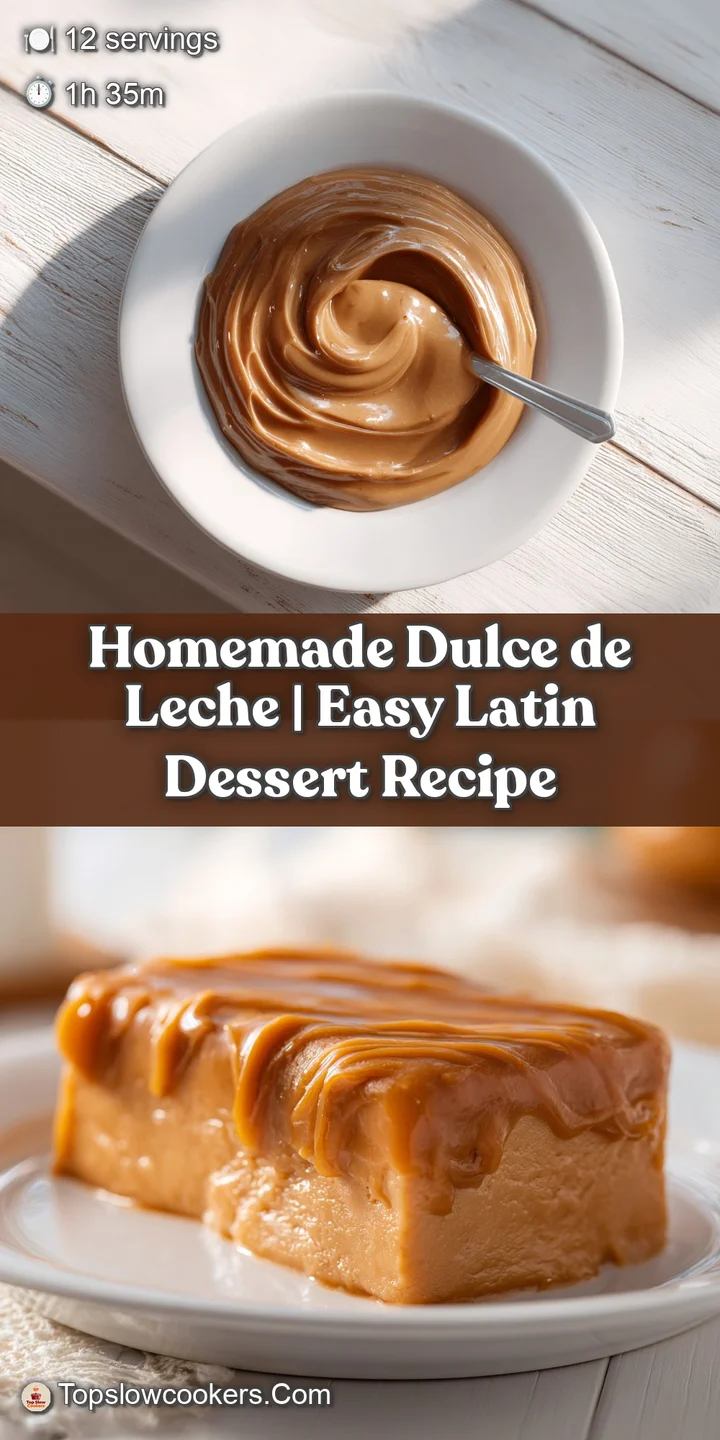
Presentation is everything when you're serving a zesty Latin dessert. If you want that professional "swirl" on top of a cheesecake or brownies, put the room temperature sauce into a piping bag or a small plastic bag with the corner snipped off.
For a stunning contrast, sprinkle a few extra flakes of sea salt over the sauce right before serving. The way the white salt sits against the mahogany caramel is visually striking.
If you’re feeling bold, a tiny zest of lime over the top adds a bright, acidic note that cuts through the richness, making the whole dish feel lighter and more vibrant. It’s a budget friendly way to make a simple dessert look like it came from a high end bistro.
Recipe FAQs
Is dulce de leche the same as caramel?
No, they are distinct products. While caramel is made by heating granulated sugar until it browns, dulce de leche is created by slowly simmering whole milk and coconut sugar, relying on the Maillard reaction to achieve its color and deep flavor.
Is it true that dulce de leche was banned?
No, this is a common misconception. There is no ban on the product; however, rumors often arise due to strict food safety regulations regarding the commercial importation of unpasteurized dairy based sweets in certain regions.
How do I pronounce dulce de leche?
Say "DOOL seh deh LEH-cheh." It is a Spanish phrase that literally translates to "sweet of milk" or "candy of milk."
Is dulce de leche from Mexico?
No, its exact origins are debated throughout Latin America. While it is popular in Mexico, it is a staple dessert across many South American countries, each claiming different historical roots for the recipe.
How to prevent the milk from scorching during the 90-minute cook time?
Scrape the bottom and sides of the pan every 5 to 10 minutes with a silicone spatula. Using a heavy bottomed skillet is essential to distribute heat evenly and prevent the milk proteins from burning.
How to ensure the texture is perfectly smooth?
Strain the mixture through a fine mesh strainer into a glass jar after cooking. This step removes any small bits of milk skin that may have formed, ensuring an extra silky finish.
How to fix the mixture if it curdles?
Verify the baking soda measurement before you begin. You cannot reverse curdling once it occurs, so ensuring the baking soda is properly whisked into the hot milk is critical to maintaining the pH balance required for a smooth emulsion.
Homemade Dulce De Leche
Ingredients:
Instructions:
Nutrition Facts:
| Calories | 101 kcal |
|---|---|
| Protein | 2.7 g |
| Fat | 2.8 g |
| Carbs | 16.1 g |
| Fiber | 0 g |
| Sugar | 15.8 g |
| Sodium | 62 mg |
