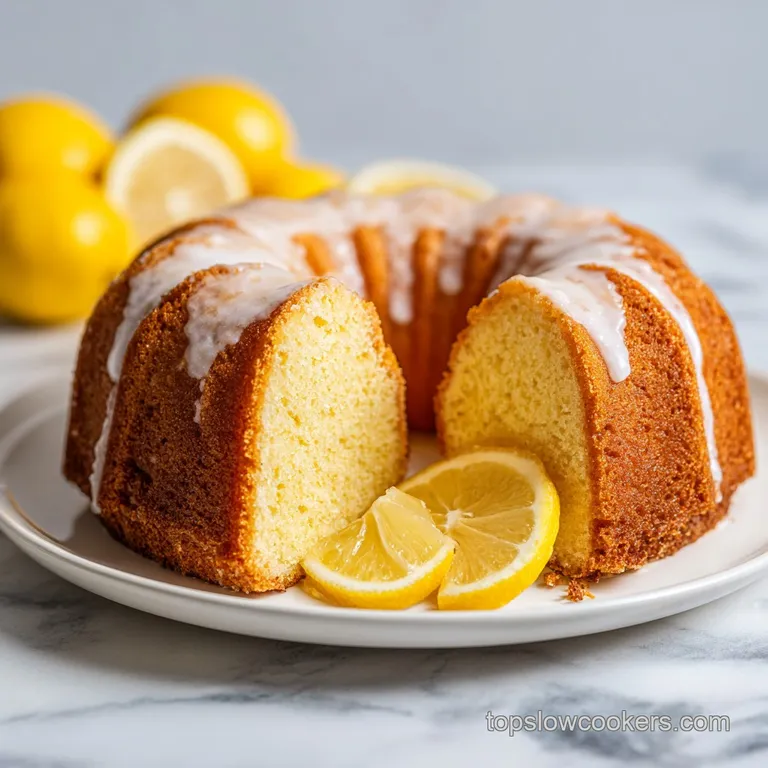
Lemon Pound Cake: Moist and Zesty
- Time: Active 20 minutes, Passive 60 minutes, Total 80 minutes
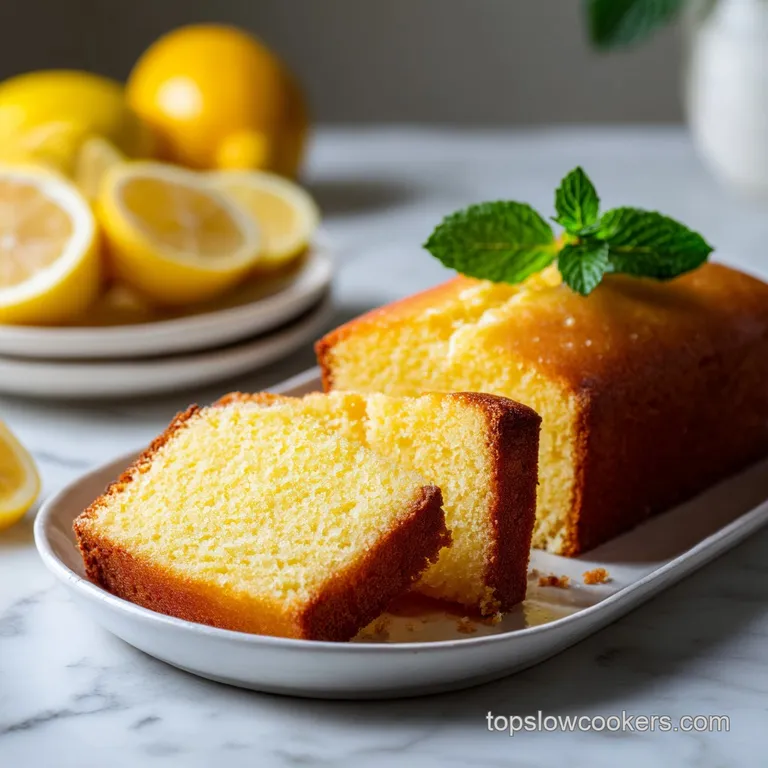
- Flavor/Texture Hook: Zesty, velvety crumb with a shattering sugar glaze
- Perfect for: Sunday afternoon tea, budget-friendly entertaining, or a bright finish after a heavy meal
- The Secret to Zesty Lemon Pound Cake
- The One Step Most People Skip
- Deep Dive Into Ingredient Roles
- Essential Elements for Fluffy Crumb
- Tools for a Velvety Loaf
- Steps for the Perfect Bake
- Fixes for Common Baking Errors
- Guidelines for Adjusting Yield
- Debunking Kitchen Myths
- Storage and Zero Waste
- Serving Ideas for Bright Flavor
- Recipe FAQs
- 📝 Recipe Card
The Secret to Zesty Lemon Pound Cake
Forget everything you have been told about pound cake being a dry, heavy brick that requires a gallon of coffee just to swallow. For years, the common myth has been that you need equal parts of everything a pound of flour, a pound of butter, a pound of sugar to get it right.
Honestly, that approach usually leads to a loaf that feels more like a doorstop than a dessert. I used to think that the only way to get a real "punch" of citrus was to pour in extracts, but I was wrong. The secret isn't in more liquid; it's in how you treat the sugar before the oven even gets hot.
The first time I really nailed this, the aroma in my kitchen was so intense it felt like I’d stepped into a lemon grove in the middle of a Latin summer. I realized that by rubbing the zest directly into the granulated sugar, you aren't just mixing ingredients; you are performing a tiny bit of kitchen magic.
You can actually feel the grit of the sugar turning into a damp, fragrant sand as the essential oils from the peel are released. It is a sensory experience that changes the entire DNA of the cake, ensuring that "zesty" isn't just a word on the page, but a reality in every velvety crumb.
We are keeping things economical here, too. You don't need expensive imported liqueurs or fancy equipment to make a showstopper. This is a budget friendly masterpiece that relies on basic pantry staples and a little bit of patience.
Whether you are serving this after a simple meal of fluffy rice and beans or bringing it to a neighborhood potluck, it stands out because it respects the ingredients. Let's talk about why this specific method works so much better than the shortcut versions you might find in a box.
The One Step Most People Skip
Essential Oil Release: Rubbing zest into sugar uses mechanical friction to burst the citrus oil glands, infusing the entire structure with flavor rather than just adding surface level scent.
Acidic Tenderizing: Sour cream introduces lactic acid which breaks down gluten strands, ensuring the cake remains tender and velvety rather than rubbery or tough.
Temperature Precision: Using 65°F butter allows for the most efficient air entrapment during the creaming process, which creates the "lift" needed for a fine textured loaf.
Slow Set Crumb: The high sugar to flour ratio delays the setting of the proteins in the oven, allowing the cake to rise fully before the crust forms and shatters.
| Thickness | Internal Temp | Rest Time | Visual Cue |
|---|---|---|---|
| 9x5 Loaf | 205°F - 210°F | 15 minutes | Deep golden top with a central crack |
| Mini Loaves | 195°F - 200°F | 10 minutes | Edges pull away slightly from the pan |
| Bundt Style | 208°F - 212°F | 20 minutes | Cake feels firm when pressed lightly |
When you are aiming for that iconic pound cake texture, knowing when to pull it out of the heat is half the battle. A digital thermometer is your best friend here, but if you don't have one, look for that signature "shatter" on the top crust.
It should look like parched earth in the best way possible, indicating the moisture has been locked deep inside while the exterior has developed a beautiful, caramelized crunch.
Deep Dive Into Ingredient Roles
| Ingredient | Science Role | Pro Secret |
|---|---|---|
| 225g Butter | Fat and Aeration | Must be 65°F; if it's too oily, you lose the air pockets needed for rise. |
| 120g Sour Cream | Moisture and Fat | The fat in full fat sour cream prevents the flour from becoming "bread like." |
| 4 Large Eggs | Structure | Eggs provide the protein "net" that holds the sugar and fat in suspension. |
| 2 tbsp Lemon Zest | Flavor Carrier | Only use the yellow part; the white pith is bitter and ruins the budget friendly brightness. |
Essential Elements for Fluffy Crumb
- 225g unsalted butter: Softened to exactly 65°F. Why this? This is the "sweet spot" where butter is pliable enough to hold air bubbles. (Substitute: Salted butter, but omit the extra sea salt.)
- 300g granulated sugar: The primary sweetener. Why this? Its crystalline structure is necessary for the creaming process. (Substitute: Caster sugar for an even finer crumb.)
- 2 tablespoons fresh lemon zest: The soul of the cake. Why this? Fresh zest contains oils that extracts simply cannot replicate. (Substitute: Lime zest for a Latin "Limón" twist.)
- 4 large eggs: Room temperature is non negotiable. Why this? Cold eggs will curdle the butter emulsion instantly. (Substitute: 1 cup of unsweetened applesauce for a denser, vegan adjacent version.)
- 1 teaspoon pure vanilla extract: To round out the citrus. Why this? It acts as a flavor "base note" for the high pitched lemon. (Substitute: Almond extract for a more floral, nutty profile.)
- 250g all purpose flour: Sifted to remove lumps. Why this? Provides enough protein for structure without being as heavy as bread flour. (Substitute: Moist homemade vanilla cake techniques often use cake flour for a softer bite.)
- 1 teaspoon baking powder: For a gentle lift. Why this? It helps the sour cream do its job in the oven. (Substitute: 1/4 tsp baking soda + 1/2 tsp cream of tartar.)
- 0.5 teaspoon fine sea salt: To balance the sweetness. Why this? Salt heightens our perception of the lemon's acidity. (Substitute: Standard table salt, but use slightly less.)
- 120g full fat sour cream: Room temperature. Why this? Adds incredible moisture and a slight tang that cuts through the sugar. (Substitute: Full fat Greek yogurt.)
- 120g powdered sugar: For the icing. Why this? Dissolves instantly into a silky glaze. (Substitute: Granulated sugar melted with lemon juice for a "crunch" topping.)
- 3 tablespoons fresh lemon juice: For the glaze. Why this? Provides the "zing" that hits your tongue first. (Substitute: Bottled lemon juice if fresh is unavailable.)
- 1 tablespoon heavy cream: For icing consistency. Why this? It makes the glaze opaque and velvety rather than translucent. (Substitute: Whole milk.)
Tools for a Velvety Loaf
To get that professional looking "crack" down the center of your loaf, you don't need a high tech oven, but you do need a few specific items. A heavy 9x5 inch loaf pan is the gold standard here.
I prefer light colored metal pans because dark pans tend to over brown the edges before the center is cooked through, which is a common mistake that leads to a dry cake. If you've ever had a cake that was burnt on the outside but raw in the middle, your pan color was likely the culprit.
A stand mixer is a huge help for the creaming stage, which requires a solid 5 minutes of high speed work. If you are doing this by hand, prepare for a workout! You will also need a fine mesh sifter for the flour and powdered sugar.
Lumps are the enemy of a velvety crumb, especially when we are working with a budget friendly recipe where texture is the star. Finally,, grab some parchment paper. Lining the bottom of the pan is a tiny insurance policy that prevents the heartbreak of a "stuck" cake.
Steps for the Perfect Bake
1. Prepping Your Canvas
Preheat your oven to 350°F (175°C). Liberally grease a 9x5 inch loaf pan with butter and line the bottom with parchment paper. Note: The parchment allows you to lift the cake out cleanly once cooled.
2. Infusing the Citrus Sugar
In a stand mixer bowl, combine the 300g granulated sugar and 2 tablespoons lemon zest. Use your fingertips to rub the zest into the sugar for 2–3 minutes until the mixture is fragrant and looks like wet sand.
3. Creaming for Aeration
Add the 225g softened butter to the lemon sugar. Beat on medium high speed for 4–5 minutes until the mixture is pale, fluffy, and significantly increased in volume.
4. Incorporating the Eggs
Add the 4 large eggs one at a time, beating for 30 seconds after each addition. Note: This ensures a stable emulsion that won't separate. Stir in the 1 teaspoon vanilla extract.
5. Folding in the Dry Ingredients
In a separate bowl, whisk the 250g flour, 1 teaspoon baking powder, and 0.5 teaspoon salt. Gradually add this to the butter mixture, alternating with the 120g sour cream, beginning and ending with the dry ingredients.
6. Filling the Pan
Pour the batter into the prepared loaf pan and smooth the top with a spatula. Tap the pan twice on the counter to remove any large, trapped air bubbles.
7. The Long Bake
Bake for 60 minutes. Check for doneness by inserting a toothpick into the center; it should come out clean until the top is golden and the kitchen smells like a bakery.
8. Cooling and Glazing
Whisk together the 120g powdered sugar, 3 tablespoons lemon juice, and 1 tablespoon heavy cream. Drizzle the icing over the cake only after it has cooled completely to avoid a melted mess.
Fixes for Common Baking Errors
One of the most frustrating things is pulling a cake out of the oven only to see it deflate faster than a popped balloon. This usually happens because the eggs or sour cream were too cold. When cold ingredients hit that beautiful, creamed butter, the fat seizes up.
It looks like cottage cheese, and that is a sign your emulsion is broken. If this happens, don't panic! You can sometimes save it by placing the bowl over a pot of warm water for 30 seconds to take the chill off, then beating it again.
Why Your Cake Sinks
If your Lemon Pound Cake looks great in the oven but develops a "valley" in the middle once it cools, you likely over mixed the batter once the flour was added. Over mixing develops gluten, which creates a structure that is too strong.
The air bubbles expand, but the "walls" are too tough to let them stay up, so they collapse. Always use the lowest speed on your mixer when adding the dry ingredients, or better yet, fold them in by hand with a rubber spatula.
| Problem | Root Cause | Solution |
|---|---|---|
| Dense, Oily Bottom | Butter too soft/melted | Ensure butter is exactly 65°F (still firm to touch). |
| Tough Crumb | Over mixing flour | Stop mixing the second no white streaks remain. |
| Burnt Edges | Dark colored pan | Lower oven temp by 25°F or use a light metal pan. |
Common Mistakes Checklist
- ✓ Check that your baking powder hasn't expired (test a pinch in hot water).
- ✓ Let the eggs sit on the counter for at least 45 minutes before starting.
- ✓ Don't skip the "sugar rubbing" step; it's the source of all the flavor.
- ✓ Resist the urge to open the oven door before the 45 minute mark.
- ✓ Measure your flour by weight (grams) rather than cups to avoid packing it down.
Guidelines for Adjusting Yield
Cutting the Recipe in Half
If you are baking for just one or two people, you can easily halve this recipe. Use a smaller 8x4 inch pan or even a few jumbo muffin tins. Reduce the bake time by about 20%. Since the recipe calls for 4 eggs, simply use 2. It’s one of the easiest recipes to scale down because the ratios are so straightforward.
Doubling for a Crowd
When doubling for a large gathering perhaps as a bright follow up to an authentic Mexican Tres Leches if you're hosting a Latin themed party work in batches. Don't try to cream 450g of butter in a standard mixer; it won't aerate properly. Bake in two separate loaf pans rather than one giant one. Keep the spices and salt at 1.5x the original amount rather than a full 2x to keep the flavors balanced.
| Premium Ingredient | Budget Alternative | Flavor Impact | Savings |
|---|---|---|---|
| Vanilla Bean Paste | Pure Vanilla Extract | Less "speckled" look, same deep flavor | Save $15+ |
| European Butter | Standard Store Brand | Slightly less rich, still velvety | Save $3-5 |
| Fresh Organic Lemons | Standard Lemons | Negligible in a baked loaf | Save $2 |
Debunking Kitchen Myths
Many people believe that "Pound Cake" must contain exactly one pound of butter to be authentic. This is a myth born from a time before we understood the power of chemical leaveners like baking powder or the moisture retaining properties of sour cream.
Adding a little acidity actually improves the shelf life and makes the cake feel "lighter" on the palate, even if the calorie count remains similar.
Another common misconception is that you should "grease and flour" the pan. In my experience, flouring the pan often leaves a dusty, white film on the outside of your beautiful golden cake. For this zesty loaf, a liberal coating of butter and a simple parchment strip is all you need for a clean release.
The sugar in the batter will naturally caramelize against the buttered metal, creating that "shatter" texture we all crave.
Storage and Zero Waste
This cake is actually a "day two" hero. While it's tempting to eat it warm, the flavors of the lemon zest and vanilla truly meld and deepen after 24 hours. Keep it in an airtight container at room temperature for up to 4 days.
If you find the icing is getting a bit sticky, place a piece of parchment paper between the cake and the lid.
For longer storage, this loaf freezes like a dream. Wrap individual slices in plastic wrap and then foil; they will stay fresh for up to 3 months. When you're ready for a snack, just let a slice thaw on the counter for 20 minutes.
If you want to get fancy, you can even toast a frozen slice in a pan with a little butter it creates a crispy, caramelized edge that is absolutely divine.
Zero Waste Tip: Don't toss those squeezed lemon halves! After you’ve zested and juiced them for the cake, throw the husks into a jar of white vinegar. After two weeks, you’ll have a zesty, natural countertop cleaner that smells just like your kitchen did on baking day.
You can also toss the spent rinds into a bag of sugar to create "lemon sugar" for your morning coffee or for topping simple grains like a sweet rice pudding.
Serving Ideas for Bright Flavor
While this loaf is a star all on its own, I love serving it with a dollop of whipped cream or even a side of fresh berries. If you’re following the Latin inspired vibe of my kitchen, try serving a thick, toasted slice alongside a small cup of strong espresso or a traditional cafecito.
The bitterness of the coffee cuts right through the sweetness of the glaze, creating a perfect balance.
For a summer twist, you can grill the slices for 1 minute per side until char marks appear. This brings out a smoky quality in the lemon that is completely unexpected. Top it with a scoop of vanilla bean ice cream, and you have a high end dessert for the price of a few lemons and some flour. It's the ultimate budget friendly way to end a meal of fluffy rice and grilled chicken. If you're looking for something even more decadent, check out my Italian lemon pound cake which uses a slightly different fat ratio for an even silkier finish. Whether you keep it simple or go all out, this recipe is a reliable friend in the kitchen.

Recipe FAQs
What is the secret to making a good pound cake?
Aerate your butter and sugar until pale and fluffy. Beating these for a full 4 5 minutes builds the structure necessary to hold the crumb together, a technique that also ensures success with our velvety sugar cookies.
What is the secret to a good lemon cake?
Rub the lemon zest into the granulated sugar with your fingertips. This process releases the essential oils, intensifying the citrus flavor throughout the entire batter before you even add the wet ingredients.
What is the 1234 cake rule?
It refers to a traditional ratio of one part butter, two parts sugar, three parts flour, and four eggs. While classic, this recipe adjusts those ratios slightly by incorporating sour cream to ensure a moister, more tender crumb.
How to avoid common mistakes when making pound cake?
Measure your flour by weight using a scale. Using cups often leads to packing down too much flour, which results in a dry, heavy loaf rather than the desired fine crumb texture.
How to ensure the eggs incorporate properly into the batter?
Add eggs one at a time and beat for 30 seconds after each addition. This creates a stable emulsion, preventing the batter from curdling and ensuring the fat and liquid components remain perfectly unified.
Is it true I must serve this cake warm for the best flavor?
No, this is a common misconception. The lemon zest and vanilla flavors actually meld and deepen significantly after resting for 24 hours at room temperature.
How to prevent the cake from sticking to the loaf pan?
Grease the pan liberally with butter and line the bottom with parchment paper. This physical barrier is the only reliable way to ensure a clean release every single time you invert the loaf.
Moist Lemon Pound Cake
Ingredients:
Instructions:
Nutrition Facts:
| Calories | 474 kcal |
|---|---|
| Protein | 5.4 g |
| Fat | 23.2 g |
| Carbs | 61.7 g |
| Fiber | 0.7 g |
| Sugar | 42.1 g |
| Sodium | 130 mg |
