Ground Beef Orzo: Creamy One-Pot Dinner
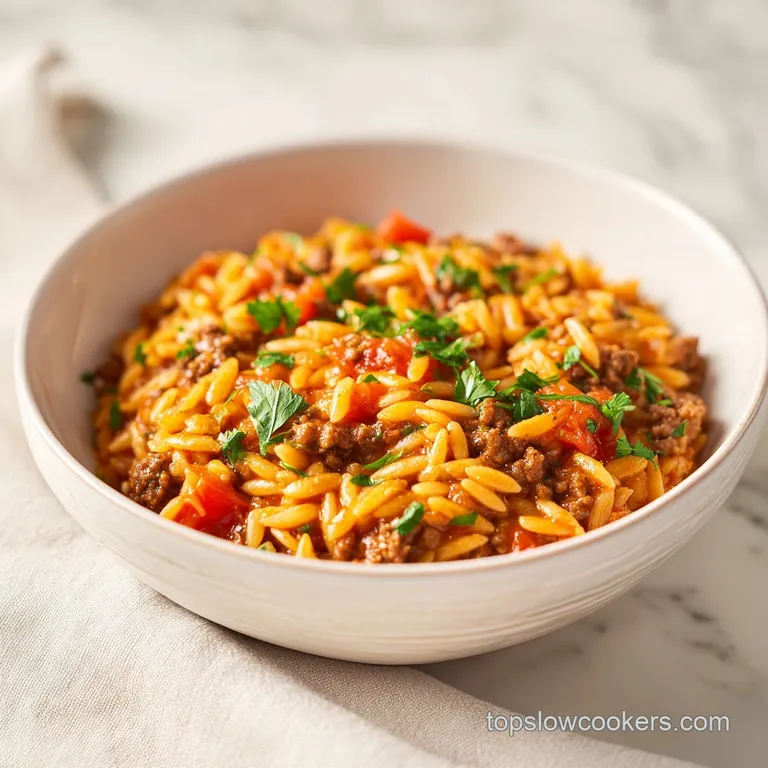
- Time: Active 10 minutes, Passive 20 minutes, Total 30 minutes
- Flavor/Texture Hook: Savory beef paired with tender, glossy pasta
- Perfect for: Hearty weeknight dinners or Sunday family gatherings
- Mastering Savory Ground Beef Orzo Textures
- Essential Ground Beef Orzo Specs
- Detailed Ingredient Component Analysis
- Hearty Shopping List Components
- Reliable Kitchen Tools Needed
- Precise Step By Step Execution
- Resolving Common Beef Orzo Preparation Issues
- Traditional Dietary Adaptations
- Proper Storage Reheating Guidelines
- Proper Scaling Instructions
- Traditional Cooking Myths
- Serving Suggestions For Families
- Very High in Sodium
- Recipe FAQs
- 📝 Recipe Card
Mastering Savory Ground Beef Orzo Textures
Did you know that orzo is actually the ultimate shape shifter of the pantry? Most people treat it like rice, but it is actually a small, firm pasta that has this incredible ability to absorb three times its weight in liquid without losing its sturdy bite.
I used to think it was just for light summer soups until I realized that when you treat it like a traditional roast or stew base, it turns a simple pound of beef into something that feels like a Sunday feast.
There is a specific moment in this recipe that I absolutely love, and it happens when the dry pasta hits the hot beef fat. You will hear a sharp sizzle and then smell a nutty, toasted aroma that smells like a professional kitchen.
That one minute toast is the difference between a soggy bowl of noodles and a substantial, professional grade dinner. It is a trick I learned after years of making "mushy" pasta dishes, and I promise it changes everything about the final mouthfeel.
We are going for a result that is thick, savory, and incredibly filling. By focusing on building layers of flavor starting with a mahogany crust on the beef and ending with a rich, parmesan infused sauce we ensure every bite is deeply satisfying.
This isn't just a quick meal; it's a traditional approach to comfort food that respects the ingredients and the process.
Essential Ground Beef Orzo Specs
This recipe relies on the interaction between the protein and the starch to create a sauce that is naturally thick. Unlike many modern dishes that rely on heavy thickeners, this method uses the pasta’s own starch to emulsify the beef broth and tomato sauce into a glossy coating.
It is a very traditional technique often seen in old world Mediterranean cooking where nothing is wasted and every ingredient serves a dual purpose.
The Starch Emulsification Secret
Natural Thickening: As the orzo simmers in the beef broth, it sheds surface starch into the liquid. This process creates a velvety, substantial sauce that clings to the meat rather than pooling at the bottom of the bowl.
The Maillard Meat Foundation
Flavor Development: Searing the beef undisturbed for 3 minutes creates complex, savory compounds. This "browned" layer provides the deep, traditional flavor profile that defines a hearty beef dish.
The Dry Toasting Technique
Textural Integrity: Coating the dry pasta in hot beef fat before adding liquid creates a barrier. This ensures the orzo stays tender and distinct rather than becoming a single, soft mass during the simmer.
| Beef Cut Thickness | Internal Temp | Rest Time | Visual Cue |
|---|---|---|---|
| Small Crumbles | 160°F (71°C) | 2 minutes | Deep mahogany brown color |
| Medium Chunks | 160°F (71°C) | 3 minutes | No visible pink in centers |
| Large Pieces | 165°F (74°C) | 5 minutes | Firm texture and clear juices |
The table above helps you gauge the doneness of your beef depending on how you prefer to crumble it. For this specific dish, smaller crumbles are better as they integrate more evenly with the small pasta grains, ensuring you get a bit of savory protein in every single spoonful.
Detailed Ingredient Component Analysis
| Ingredient | Science Role | Pro Secret |
|---|---|---|
| Ground Beef (90/10) | Provides fat and protein structure | Leave it undisturbed to sear properly |
| Dry Orzo Pasta | Releases starch for natural thickening | Toasting first prevents the grains from mushing |
| Low Sodium Broth | Controls salt levels while adding depth | Use warm broth to keep skillet temps high |
| Heavy Cream | Emulsifies the acidic tomato sauce | Add at the very end to prevent curdling |
Choosing the right ingredients is the first step toward a successful, hearty meal. I always suggest using a lean beef because you want enough fat for flavor and toasting the pasta, but you don't want a greasy finish that masks the savory herbs.
Hearty Shopping List Components
To make the best version of this dish, you need to be specific with your choices. I always reach for a yellow onion because it has a higher sugar content than white onions, which helps it caramelize and melt into the sauce more effectively.
For the greens, fresh baby spinach is non negotiable; frozen spinach carries too much water and can dilute the rich flavors we have worked so hard to build.
- 1 lb lean ground beef (90/10):Why this? Provides enough fat for flavor without being overly greasy. (Substitute: Ground turkey 93/7)
- 1 medium yellow onion, finely diced:Why this? Provides a sweet, aromatic base that melts into the sauce. (Substitute: Shallots)
- 3 cloves garlic, minced:Why this? Adds essential pungent depth to the beef foundation. (Substitute: 1 tsp garlic powder)
- 1 tbsp Italian seasoning:Why this? A balanced blend of herbs that mimics a slow simmered roast. (Substitute: Equal parts dried basil and oregano)
- 1.5 cups dry orzo pasta:Why this? The perfect size and starch content for this one pan method. (Substitute: Ditalini pasta)
- 3 cups low sodium beef broth:Why this? Adds savory liquid without making the dish unpleasantly salty. (Substitute: Vegetable broth)
- 15 oz canned tomato sauce:Why this? Provides the acidic balance and rich color for the sauce. (Substitute: Crushed tomatoes)
- 0.25 cup heavy cream:Why this? Adds a velvety mouthfeel and balances the acidity. (Substitute: Full fat coconut milk)
- 0.5 cup freshly grated parmesan cheese:Why this? Adds a salty, nutty kick and helps the sauce emulsify. (Substitute: Pecorino Romano)
- 2 cups fresh baby spinach:Why this? Adds a pop of color and earthy iron flavor. (Substitute: Chopped kale)
For a slightly different take on this savory ground beef dinner, you could experiment with adding different fresh herbs like rosemary, but the Italian seasoning is the traditional standard for a reason.
Reliable Kitchen Tools Needed
Having the right equipment makes the process much more efficient. You want a 12 inch deep skillet because it provides enough surface area to sear the meat properly while still having the depth to hold three cups of broth without spilling.
A cast iron skillet is fantastic if you have one, as it retains heat exceptionally well, but a heavy bottomed stainless steel pan works just as effectively.
The 12 Inch Deep Skillet
A wide pan is essential for the Maillard reaction. If the pan is too small, the beef will crowd and steam in its own juices, turning gray rather than developing that savory brown crust. I prefer one with high sides to contain the simmering liquid later on.
Flat Edged Wooden Spoon
This is my "secret weapon" in the kitchen. A flat edge allows you to scrape every bit of the browned bits (the fond) from the bottom of the pan when you add the liquid. Those bits are where the most intense flavor lives, and a round spoon just won't catch them all.
Precise step-by-step Execution
- Sizzle the beef. Place your 12 inch deep skillet over medium high heat. Add the 1 lb ground beef, breaking it into small crumbles. Leave it undisturbed for 2-3 minutes until a dark, savory crust forms on the bottom.
- Drain the excess. Once the beef is browned, drain all but 1 tablespoon of the rendered fat. Note: This prevents the final dish from feeling heavy or oily.
- Soften the aromatics. Lower the heat to medium. Add the diced yellow onion and cook for 4 minutes until they are soft and translucent.
- Infuse the garlic. Stir in the 3 cloves of minced garlic and 1 tbsp Italian seasoning. Sauté for exactly 1 minute until the aroma fills your kitchen.
- Toast the pasta. Add the 1.5 cups dry orzo directly to the skillet. Stir it through the beef and fat for 60 seconds until the edges of the pasta look slightly golden.
- Deglaze the pan. Pour in the 3 cups beef broth and 15 oz tomato sauce. Use your flat edged spoon to scrape the bottom of the pan until all the brown bits are incorporated.
- Simmer and cover. Bring the mixture to a gentle simmer. Cover the pan and cook for 8-10 minutes, stirring once or twice until the orzo is tender and the sauce is glossy.
- The final finish. Remove from heat. Stir in the 0.25 cup heavy cream, 0.5 cup parmesan cheese, and 2 cups baby spinach.
- Wilt the greens. Continue stirring for about 30 seconds until the spinach has collapsed and the sauce is velvety.
- Serve immediately. Transfer to warm bowls while the sauce is at its thickest and most savory.
Resolving Common Beef Orzo Preparation Issues
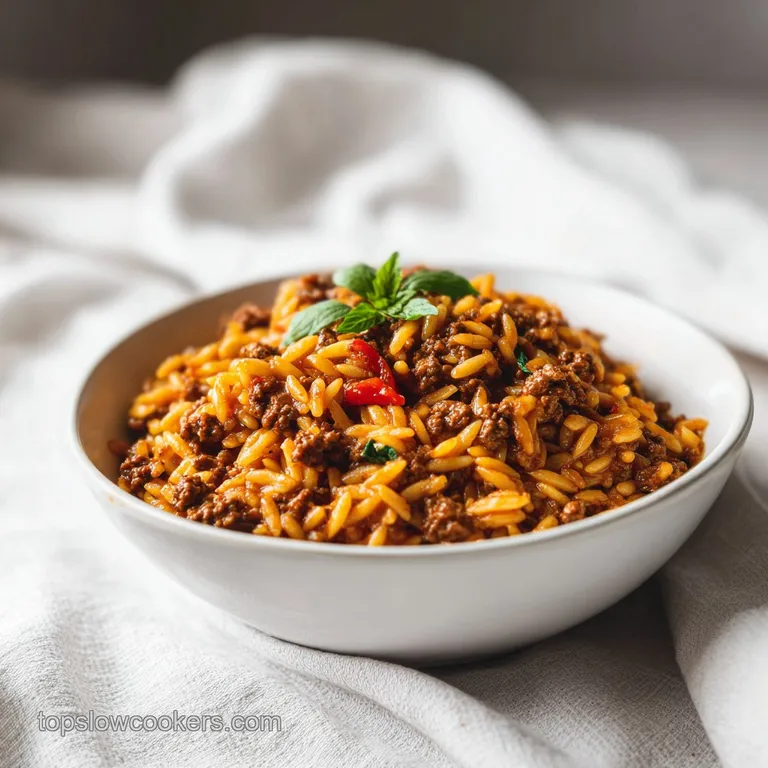
Cooking with orzo can be tricky because it acts like a sponge. If your heat is too high, the liquid will evaporate before the pasta is cooked, leaving you with crunchy centers. If the heat is too low, the pasta will sit too long and become gummy.
The key is a steady, gentle simmer that allows the starch to release slowly while the grains soften.
Solving Excessive Liquid Issues
If you reach the end of the 10 minute simmer and the dish looks more like a soup than a thick pasta meal, don't panic. Simply remove the lid and increase the heat to medium high for 2 minutes.
Stir constantly to encourage evaporation and to help the starch bind the remaining liquid into a substantial sauce.
Preventing Scorched Bottom Pans
Pasta has a tendency to sink to the bottom of the skillet and stick, especially as the sauce thickens. This is why I suggest stirring at least twice during the simmering phase. If you do notice it sticking, add a splash of extra broth and turn the heat down slightly to slow the cooking process.
| Problem | Root Cause | Solution |
|---|---|---|
| Crunchy Orzo | Liquid evaporated too fast | Add 1/4 cup broth and cover for 2 more mins |
| Greasy Sauce | Not enough fat was drained | Stir in an extra 1/4 cup parmesan to absorb oil |
| Bland Flavor | Beef wasn't seared enough | Add a dash of Worcestershire or extra salt |
Between the troubleshooting steps and your careful attention to detail, this dish is very forgiving. If you enjoy this flavor profile, you might also want to try a slow cooked beef ragu for a different texture that uses similar traditional principles.
Common Preparation Mistakes Checklist
- ✓ Pat the diced onions with a paper towel if they are very moist to ensure they sauté rather than steam.
- ✓ Preheat your skillet for at least 2 minutes before adding the beef to get a proper sear.
- ✓ Don't skip the toasting step; it is the primary way to ensure the orzo doesn't turn into mush.
- ✓ Grate your parmesan fresh from a block; pre shredded cheese is coated in starch that can make the sauce grainy.
- ✓ Let the spinach wilt naturally from the residual heat of the pan rather than boiling it.
Traditional Dietary Adaptations
If you are looking to make this a bit lighter, you can easily swap the beef for lean ground turkey. Just be aware that turkey has less fat, so you may need to add a teaspoon of olive oil to the pan when it comes time to toast the orzo.
The flavor will be milder, but the savory herbs and the parmesan will still carry the dish beautifully.
High Protein Lean Version
For those watching their fat intake, use a 95/5 beef or ground chicken. You can also double the baby spinach to 4 cups. The spinach wilts down so much that you can pack in a massive amount of vitamins without changing the substantial nature of the meal.
Alternative dairy-free Options
To make this dish dairy-free, replace the heavy cream with full fat coconut milk and swap the parmesan for a tablespoon of nutritional yeast. The coconut milk provides the necessary fat and thickness without adding a tropical flavor, as the savory beef and tomato sauce will dominate the profile.
| Method | Cook Time | Texture | Best For |
|---|---|---|---|
| Stovetop | 20 minutes | Velvety and glossy | Quick weeknight dinner |
| Oven Bake | 35 minutes | Crusty top, firm grains | Weekend meal prep |
| Slow Cooker | 4 hours | Soft and stew like | Busy families |
Proper Storage Reheating Guidelines
Leftover beef and orzo is actually a treat because the flavors have more time to meld together in the fridge. However, the pasta will continue to absorb liquid as it sits, so you will find that it becomes much thicker and more solid the next day. This is perfectly normal for a starch heavy traditional dish.
- Fridge: Store in an airtight container for up to 4 days.
- Freezer: You can freeze this for up to 3 months. Let it thaw in the fridge overnight before reheating.
- Reheating: Add a splash of beef broth or water before microwaving or heating on the stovetop. This restores the glossy sauce and prevents the pasta from drying out.
- Zero Waste: Don't throw away the onion skins or garlic peels! Toss them into a freezer bag to make your own beef or vegetable stock later. Even the parmesan rind can be thrown into the skillet during the simmer to add a massive hit of savory umami flavor.
Proper Scaling Instructions
If you are cooking for a larger crowd, you can easily double this recipe. Just make sure you use a very large Dutch oven or two separate skillets. When doubling, do not double the salt immediately; the beef broth and parmesan provide quite a bit, so season at the very end.
When scaling down for two people, use a smaller 10 inch skillet. You can use half a pound of beef and half the pasta, but keep the aromatics (onion and garlic) at about 75% of the original amount to ensure the flavor remains hearty and robust.
Traditional Cooking Myths
Many people believe that you have to boil orzo in a separate pot of water like regular pasta. That is a myth that leads to bland, boring dishes! By cooking the orzo directly in the beef broth and tomato sauce, the pasta absorbs flavor from the inside out.
It is a much more efficient and traditional way to prepare small grains.
Another common misconception is that "lean" beef doesn't need to be drained. Even 90/10 beef will render out about 2-3 tablespoons of liquid and fat. If you leave all of that in the pan, it can prevent the onions from browning properly and can lead to a greasy separation in the final sauce.
Taking thirty seconds to drain the pan is a practical step that makes a huge difference.
Serving Suggestions For Families
This dish is so substantial that it really serves as a complete meal on its own. However, I love serving it in wide, shallow bowls to show off the glossy sauce. It feels more traditional and homey that way.
Traditional Garnishing Visuals
A final sprinkle of fresh parsley or an extra dusting of parmesan adds a beautiful contrast to the deep red of the tomato sauce. If you want a little heat, a few red pepper flakes can be stirred in at the very end to cut through the richness of the beef and cream.
Perfect Savory Side Dishes
If you want something on the side, a simple crusty baguette is perfect for swiping up any extra sauce. A crisp green salad with a sharp vinaigrette also works well to balance the hearty, savory nature of the beef orzo. It's a meal that feels complete, satisfying, and deeply rooted in practical home cooking.

Very High in Sodium
940 mg of sodium per serving (41% of daily value)
The American Heart Association recommends limiting sodium intake to less than 2,300mg per day, ideally striving for 1,500mg.
Tips to Reduce Sodium
-
Switch to Low-Sodium Broth-30%
Replace the 3 cups of regular beef broth with low-sodium beef broth. This is often the largest contributor to sodium in recipes like this.
-
Choose No-Salt Added Tomato Sauce-20%
Opt for no-salt added canned tomato sauce instead of regular. You can then control the seasoning yourself with herbs and spices.
-
Reduce Parmesan Cheese-15%
Decrease the amount of freshly grated parmesan cheese from 0.5 cup to 2 tablespoons. Parmesan is surprisingly high in sodium.
-
Boost Flavor with Herbs and Spices
Amplify the flavor without adding salt by using a generous amount of fresh or dried herbs and spices like basil, oregano, thyme, and black pepper. Consider adding a pinch of red pepper flakes for a kick.
-
Omit Added Salt-5%
This recipe doesn't explicitly call for added salt, but if you typically add it, omit it entirely. The broth and cheese already contribute significant sodium.
Recipe FAQs
Is it true I must boil the orzo separately before adding it to the skillet?
No, this is a common misconception. You should toast the dry orzo directly in the skillet with the beef fat and aromatics for 60 seconds; this builds flavor and allows the pasta to absorb the broth as it cooks.
How to ensure the beef develops a deep, savory crust?
Leave the beef undisturbed in the skillet for 2-3 minutes after adding it to the medium high heat. This develops a mahogany crust, which creates the fond base that adds depth to the final sauce.
Can I use the slow cooker for this recipe?
Yes, but the timing changes significantly. For a slower preparation, cook the mixture on low for 4 hours, though you should wait to stir in the cream, cheese, and spinach until the final 10 minutes to maintain the best texture.
How to prevent the orzo from sticking to the bottom of the pan?
Scrape the bottom of the skillet thoroughly with a flat edged wooden spoon after pouring in the beef broth and tomato sauce. Once simmering, continue stirring occasionally throughout the 8-10 minute cooking window to ensure the starch does not settle.
Is it possible to make this dish without dairy?
Yes, you can substitute ingredients to achieve a similar profile. Swap the heavy cream for full fat coconut milk and replace the parmesan with nutritional yeast to maintain the sauce's body and savory depth.
How to tell when the orzo is perfectly cooked?
Look for a tender texture and a glossy, thickened sauce. The pasta should be cooked through after 8-10 minutes of simmering, which is the same timing standard we apply to our hearty stew to ensure the starches are fully hydrated.
How to store leftovers properly?
Transfer the mixture to an airtight container once cooled. Because the orzo continues to absorb liquid, you may need to add a splash of beef broth when reheating to bring back that creamy, emulsified consistency.
One Pot Ground Beef Orzo
Ingredients:
Instructions:
Nutrition Facts:
| Calories | 548 kcal |
|---|---|
| Protein | 38 g |
| Fat | 18 g |
| Carbs | 57 g |
| Fiber | 4 g |
| Sugar | 6 g |
| Sodium | 940 mg |
