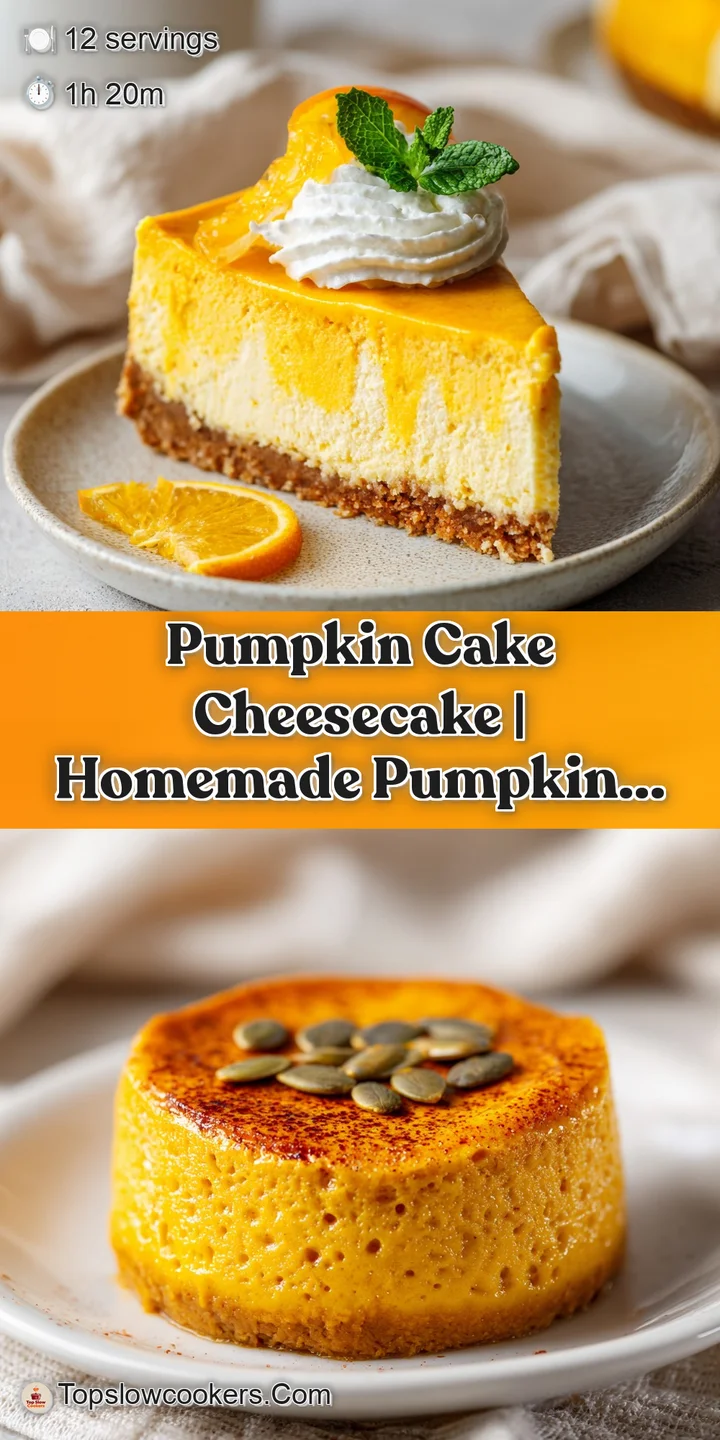
Pumpkin Cake Cheesecake: Silky and Baked
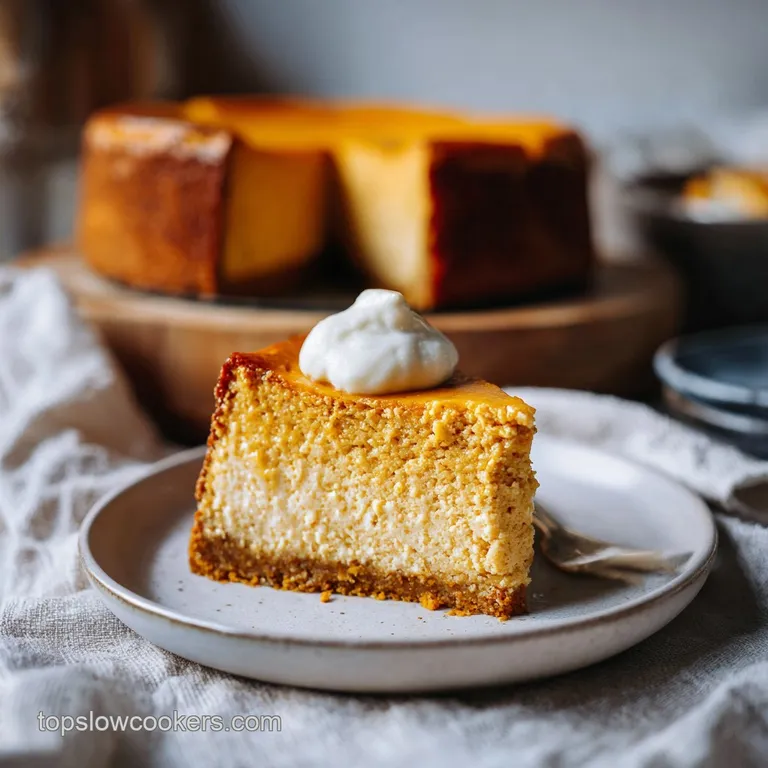
- Time: Active 25 minutes, Passive 55 minutes, Total 80 minutes
- Flavor/Texture Hook: Silky pumpkin custard atop a soft, aromatic spiced crumb
- Perfect for: Thanksgiving potlucks, cozy autumn dinner parties, or busy home cooks wanting a "wow" dessert without the fuss
- Achieving the Ultimate Creamy Pumpkin Cake Cheesecake Layers
- The Essential Numbers for Your Perfect Fall Dessert
- Gathering Your Pantry Staples for This Layered Bake
- The Minimal Tool Kit for Professional Results
- Mastering the Simple Art of Layering and Baking
- Quick Fixes for a Silky Smooth Cheesecake Finish
- Smart Adjustments for Different Crowd Sizes
- Debunking Kitchen Myths About Layered Cakes
- Smart Ways to Store and Savor Every Slice
- Plating and Pairing for the Best Tasting Experience
- Recipe FAQs
- 📝 Recipe Card
Achieving the Ultimate Creamy Pumpkin Cake Cheesecake Layers
Picture this: it’s late October, the air has that sharp, cold bite, and your kitchen is filled with the warm, heavy scent of cinnamon and toasted graham crackers. I remember the first time I brought this Pumpkin Cake Cheesecake to a neighborhood Friendsgiving.
I was so nervous about the layers merging into a muddy mess, but when the springform latch clinked open and I sliced into it, the layers were as sharp and distinct as a professional bakery bake. The room actually went quiet for a second before everyone started asking for the recipe.
That's the moment I knew this was the one.
We've all been there trying to make a fancy layered dessert and ending up with something that looks like a geological accident. But this recipe is different because it’s built for real life.
It’s for the cook who has a million things going on but still wants that "shatteringly crisp" crust and "velvety" cheesecake finish. I’ve made the mistakes so you don't have to; like the time I over beaten the eggs and ended up with a cheesecake that looked like a puffy soufflé.
We’re going for dense, creamy, and deeply comforting here.
What I love most about this specific version is how it handles the "pumpkin problem." Pumpkin puree is notoriously wet, which can turn a cake into a sponge and a cheesecake into a puddle.
By balancing the moisture with a bit of cornstarch in the filling and using a specific oil to puree ratio in the cake layer, we get a dessert that holds its shape and feels incredibly luxurious on the tongue.
Trust me, once you see how the orange hues of the pumpkin pop against the golden graham cracker crust, you’ll be looking for any excuse to bake this.
The Essential Numbers for Your Perfect Fall Dessert
Structural Density: The oil in the pumpkin cake layer keeps the crumb tender and moist even after refrigeration, while the butter in the crust ensures a firm base.
Vapor Control: Using cornstarch in the cheesecake filling binds the excess water from the pumpkin puree, preventing the dreaded "weeping" or soggy bottom.
Viscosity Balancing: The cake batter is intentionally thick, acting as a sturdy platform that supports the heavier cheesecake filling without letting it sink or swirl unintentionally.
Thermal Transition: Cooling the cheesecake slowly in a cracked open oven prevents the drastic temperature drop that causes the surface to "shatter" or crack.
| Feature | Quick "Fast Track" Method | This Classic Layered Version |
|---|---|---|
| Texture Depth | Single texture, usually softer | Triple texture: Crunchy, spongy, and silky |
| Complexity | Dump and stir, often uses box mix | Made from scratch but utilizes zero fuss techniques |
| Visual Appeal | Monochromatic orange | Clearly defined, beautiful contrasting layers |
Getting the temperature right is everything when you're working with dairy. If your cream cheese is even slightly cold, you’ll end up with tiny white lumps that no amount of whisking can fix. I always pull my ingredients out at least two hours before I plan to start.
If you’re in a rush, you can submerge the sealed cream cheese blocks in warm water for 15 minutes to take the chill off. It’s these little moves that make the difference between a "good" cake and a "how did you make this?" cake.
Gathering Your Pantry Staples for This Layered Bake
Component Analysis
| Ingredient | Science Role | Pro Secret |
|---|---|---|
| Cream Cheese | Provides the structural fat and "tang" | Use full fat bricks only; "spreadable" tubs have too much air |
| Pumpkin Puree | Adds moisture and fiber for a soft crumb | Pat the puree with a paper towel to remove excess water |
| Cornstarch | Acts as a stabilizer for the pumpkin moisture | Whisk it into the sugar first to prevent any clumping |
| Large Eggs | Bind the fats and liquids for a set custard | Add them last to minimize air entrapment in the batter |
When gathering your items, make sure you're using plain pumpkin puree, not the pre spiced "pie filling" in a can. The pie filling has extra sugar and water that will throw off our delicate chemistry. For the crust, 1.5 cups of Graham cracker crumbs is your foundation.
If you can’t find crumbs, about 10 to 12 full sheets of crackers pulsed in a blender will do the trick.
For the cake layer, we use 1 cup of all purpose flour and 0.5 cup of packed brown sugar. The brown sugar is vital here it brings a molasses like depth that white sugar just can't touch. We combine this with 0.5 cup of pumpkin puree and 0.25 cup of neutral oil. I usually reach for canola or vegetable oil because they don't fight with the spices. If you want a deeper flavor, you could try this with my Moist Homemade Vanilla Cake techniques in mind, though this specific pumpkin base is tailored for the cheesecake weight.
The cheesecake heart requires 24 oz of cream cheese. That’s three of the standard 8 oz blocks. You'll also need 1 cup of granulated sugar and an additional 1 cup of pumpkin puree. To get that signature autumn warmth, we’re using pumpkin pie spice in both the cake and the filling.
If you don't have a pre made mix, a blend of cinnamon, ginger, nutmeg, and cloves works beautifully.
The Minimal Tool Kit for Professional Results
You don't need a high end pastry kitchen to make a stunning Pumpkin Cake Cheesecake. In fact, keeping things simple actually helps prevent over processing the batter. A 9 inch springform pan is the only "specialty" item that’s truly non negotiable.
Without the removable sides, you’ll never get the cake out in one piece without a disaster.
A stand mixer is a luxury that makes the cream cheese step effortless, but a sturdy hand mixer works just as well. I’ve even done this with a balloon whisk and some serious elbow grease when I was staying at a rental cabin, and it still turned out incredible.
The key is the "smear" technique using a spatula to press the cream cheese against the side of the bowl to get it smooth before you ever add the liquid ingredients.
Chef's Tip: If your springform pan is old or prone to leaking, wrap the bottom tightly in a double layer of heavy duty aluminum foil. Even though we aren't using a water bath, this keeps the butter from the crust from dripping onto the bottom of your oven and smoking up the house.
Mastering the Simple Art of Layering and Baking
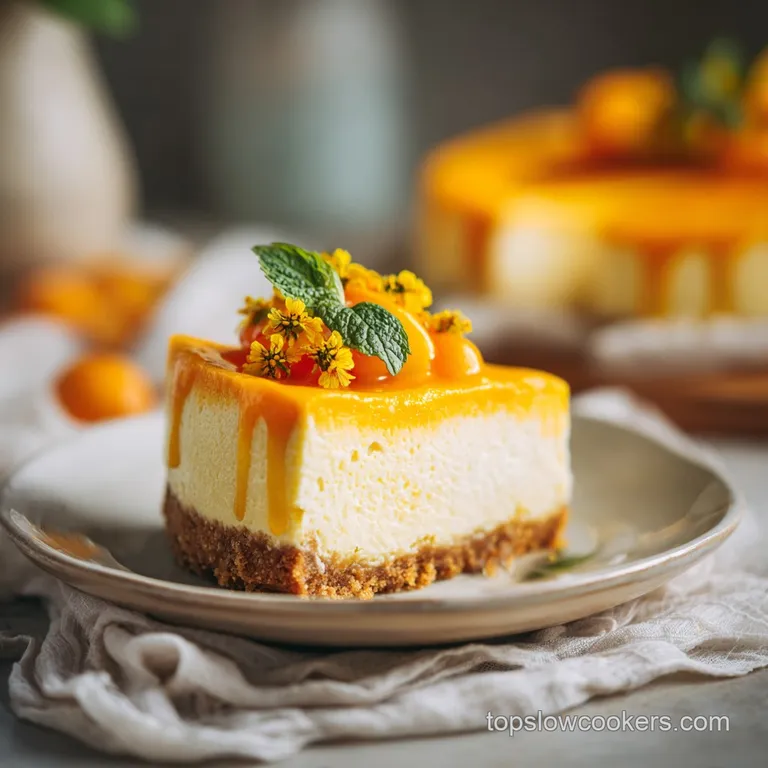
1. Constructing the Foundation
Preheat your oven to 350°F (175°C). In a medium bowl, combine the 1.5 cups graham cracker crumbs, 0.25 cup sugar, 6 tbsp melted butter, 0.5 tsp cinnamon, and 0.25 tsp salt. Press this mixture firmly into the bottom and about 1 inch up the sides of your 9 inch springform pan.
Bake for 8 minutes until it smells like toasted sugar and looks slightly darkened. Let this cool completely on a wire rack.
2. Building the Dual Layer Batter
In a separate bowl, whisk together 1 cup flour, 0.5 cup brown sugar, 0.5 tsp baking soda, and 1 tsp pumpkin pie spice. Stir in 0.5 cup pumpkin puree and 0.25 cup neutral oil. The batter will be very thick, almost like a soft cookie dough. Spread this evenly over the cooled crust.
Note: A thick batter ensures the cheesecake layer stays on top rather than sinking into the cake.
3. The Cheesecake Custard
Using your mixer, beat the 24 oz of softened cream cheese and 1 cup granulated sugar until the mixture is glossy and free of lumps. Scrape the bowl often. Add 1 cup pumpkin puree, 2 tbsp cornstarch, 1.5 tsp pumpkin pie spice, 1 tsp vanilla, and 0.25 cup heavy cream.
Mix on low speed just until combined.
4. Integrating the Eggs
Add the 3 large eggs one at a time to the mixture. Beat on the lowest speed for only 15-20 seconds per egg. Stop as soon as the yellow streak disappears. Note: Over beating at this stage incorporates air, which causes the cheesecake to rise like a balloon and then collapse/crack.
5. The Final Assembly
Pour the cheesecake filling gently over the pumpkin cake layer. Use a spatula to smooth the top. Place the pan in the center of the oven.
6. The Precision Bake
Bake at 350°F (175°C) for 50-55 minutes. You are looking for a specific visual cue: the edges should be slightly puffed and set, but the center 2-3 inches should still have a slight jiggle, like Jell O.
Do not wait for the center to be firm, or it will be overbaked.
7. The Gentle Cooling Phase
Turn off the oven. Use a wooden spoon to prop the oven door open about an inch. Let the cheesecake sit in this cooling environment for 1 hour. This gradual temperature shift is your best insurance against cracks.
8. The Mandatory Chill
Remove the cake from the oven and let it reach room temperature on the counter. Then, move it to the refrigerator for at least 6 hours (preferably overnight). The cheesecake "sets" during this time, developing its final velvety texture.
Quick Fixes for a Silky Smooth Cheesecake Finish
Why Your Cheesecake Surface Cracked
If you pull the cake out and see a canyon forming down the middle, don't panic. This usually happens because the cake cooled too fast or the eggs were beaten too much. The good news is that a cracked cheesecake tastes exactly the same as a smooth one.
If the crack is small, you can often "massage" it closed with a warm palette knife once the cake is room temperature.
Why the Crust Is Soggy
A soggy crust is usually the result of not baking the crust long enough during the "blind bake" phase (Step 1). It can also happen if you use a generic "low-fat" margarine instead of real butter. The water content in margarine is too high and will soak into the crumbs.
Stick to the unsalted butter for that classic "shatter" when your fork hits the plate.
| Problem | Root Cause | Solution |
|---|---|---|
| Lumpy Filling | Cream cheese was too cold | Microwave cream cheese for 10s bursts before mixing |
| Leaking Butter | Springform seal is loose | Wrap the base in foil to catch drips |
| Rubbery Texture | Over baked or too many eggs | Check jiggle at 50 mins; use Large eggs exactly |
Common Mistakes Checklist
- ✓ Never use "whipped" cream cheese; the air pockets ruin the density.
- ✓ Always scrape the bottom of the mixer bowl to avoid hidden cream cheese chunks.
- ✓ Avoid opening the oven door repeatedly during the first 45 minutes of baking.
- ✓ Ensure the pumpkin cake layer is spread to the very edges to act as a seal.
- ✓ Let the cake sit at room temperature for 20 minutes before slicing for the best mouthfeel.
Smart Adjustments for Different Crowd Sizes
If you find yourself needing to feed a much larger crowd, scaling this recipe up is surprisingly straightforward. To double the recipe for two 9 inch cheesecakes, simply double all ingredients. However, when it comes to the spices, I recommend only increasing them to 1.5x the original amount.
Spices like cloves and ginger can become overwhelming when doubled perfectly.
For a smaller household, you can cut the recipe in half and bake it in a 6 inch springform pan. You’ll need to reduce the baking time by about 20%. Keep a close eye on that "center jiggle" starting at the 40 minute mark. If you need to half an egg, just beat it in a small bowl and measure out 2 tablespoons.
It’s a bit of extra work, but it keeps the ratios precise so the custard sets properly.
If you’re looking for a different way to enjoy these flavors without the oven time, you might be interested in a Crock Pot Cheesecake version which uses the gentle, moist heat of a slow cooker to achieve an even silkier texture, though you’d have to adjust the layering method.
Debunking Kitchen Myths About Layered Cakes
Many people believe you MUST use a water bath (bain marie) for a cheesecake to be successful. That’s simply not true for this recipe. Because we have a thick pumpkin cake layer at the bottom, it acts as an insulator for the cheesecake filling.
The "cracked door" cooling method provides enough temperature control to give you a smooth top without the hassle of splashing boiling water around your kitchen.
Another common myth is that you can substitute pumpkin butter for pumpkin puree. While they sound similar, pumpkin butter is a reduction with high sugar and acid content. It will break the emulsion of the cream cheese and leave you with a grainy, separated mess.
Stick to the pure puree it’s the "glue" that holds our moisture levels in check.
Smart Ways to Store and Savor Every Slice
The beauty of a Pumpkin Cake Cheesecake is that it actually gets better with age. The spices in the pumpkin cake layer take about 24 hours to fully "bloom" and permeate the cheesecake. I always try to make this two days before I need to serve it.
It stays perfectly fresh in the fridge for up to 5 days, provided you keep it tightly wrapped in plastic or in a sealed container to prevent it from picking up other fridge smells.
If you have leftovers (lucky you!), this cake freezes beautifully. Wrap individual slices in parchment paper, then a layer of foil, and place them in a freezer bag. They will keep for up to 3 months. To eat, just thaw a slice in the fridge overnight.
Zero Waste Tip: If you have a little bit of pumpkin puree left in the can, don't toss it! Mix it into your morning oatmeal, swirl it into pancake batter, or even mix it with a little plain yogurt for a healthy dog treat.
The graham cracker crumbs at the bottom of the bag can be saved in a jar for topping ice cream later in the week.
Plating and Pairing for the Best Tasting Experience
When it comes time to serve, I love to lean into the seasonal vibes. A dollop of lightly sweetened whipped cream is classic, but a drizzle of warm salted caramel takes this to a whole different level. The salt cuts through the richness of the cream cheese and highlights the earthy notes of the pumpkin.
For pairings, a hot cup of coffee with a splash of cream is the natural choice. The bitterness of the coffee balances the sweetness of the cake. If you’re serving this at a dinner party, a glass of tawny port or a spiced dessert wine works wonders.
The goal is to let the velvety texture of the cheesecake be the star, so keep your toppings simple and your company good. Happy baking!
Recipe FAQs
Is pumpkin cheesecake a thing?
Yes, it is a popular seasonal dessert. Combining a spiced pumpkin cake layer with a creamy cheesecake filling creates a unique, two-layered texture that is perfect for autumn gatherings.
Is the Costco pumpkin cheesecake good?
Yes, it is generally well regarded for convenience. However, making it from scratch allows you to control the quality of the pumpkin puree and spice intensity, and if you enjoyed mastering the velvety finish technique in our other holiday treats, you will appreciate the superior texture of a homemade version.
Does Trader Joe's have a pumpkin cheesecake?
Yes, they typically carry it during the fall season. It is a reliable store-bought option if you are short on time, though it lacks the custom spice profile of a recipe using fresh pumpkin pie spice.
Does Ina Garten have a pumpkin cheesecake recipe?
No, there is no official pumpkin cake cheesecake recipe credited to her. Most versions of this dessert rely on standard foundational cheesecake ratios rather than specific celebrity chef techniques.
How to prevent the cheesecake from cracking?
Add the eggs one at a time on low speed. Overbeating the eggs incorporates excess air, which causes the cheesecake to puff up and crack as it cools; instead, mix just until the eggs are incorporated.
How to tell when the cheesecake is finished baking?
Check for a slight jiggle in the center. The edges should appear set and firm after 50-55 minutes at 350°F, but the very middle should still move slightly when the pan is gently nudged.
How to cool the cheesecake properly?
Turn off the oven and prop the door open slightly. Leaving the cheesecake inside for 1 hour allows it to transition temperature gradually, which is critical for preventing structural collapse and surface cracks.
Pumpkin Cake Cheesecake Recipe
Ingredients:
Instructions:
Nutrition Facts:
| Calories | 552 calories |
|---|---|
| Protein | 8.8 g |
| Fat | 34.8 g |
| Carbs | 55.4 g |
| Fiber | 1.8 g |
| Sugar | 39.6 g |
| Sodium | 315 mg |
