Slow Cooker Swiss Steak Recipe
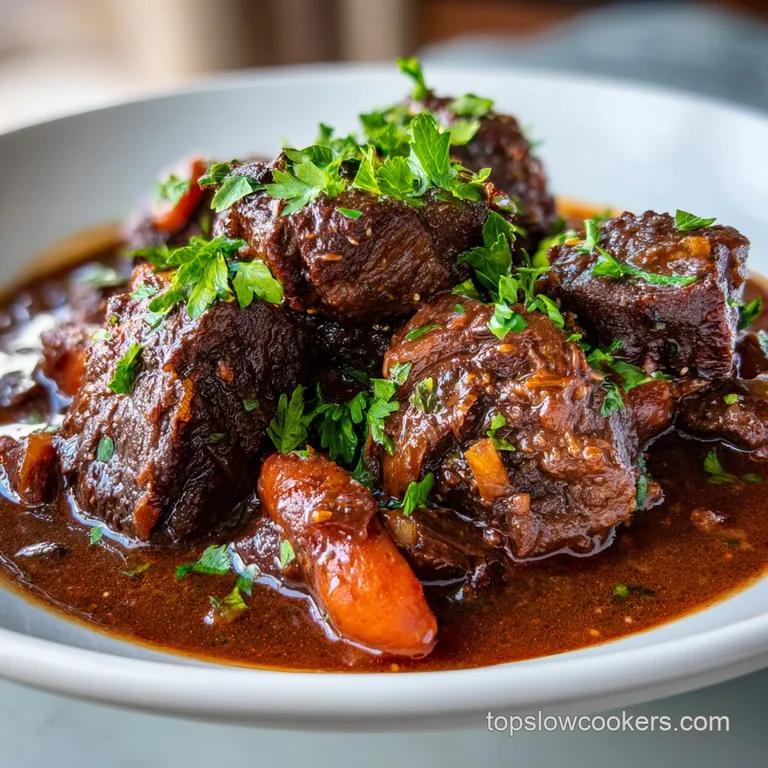
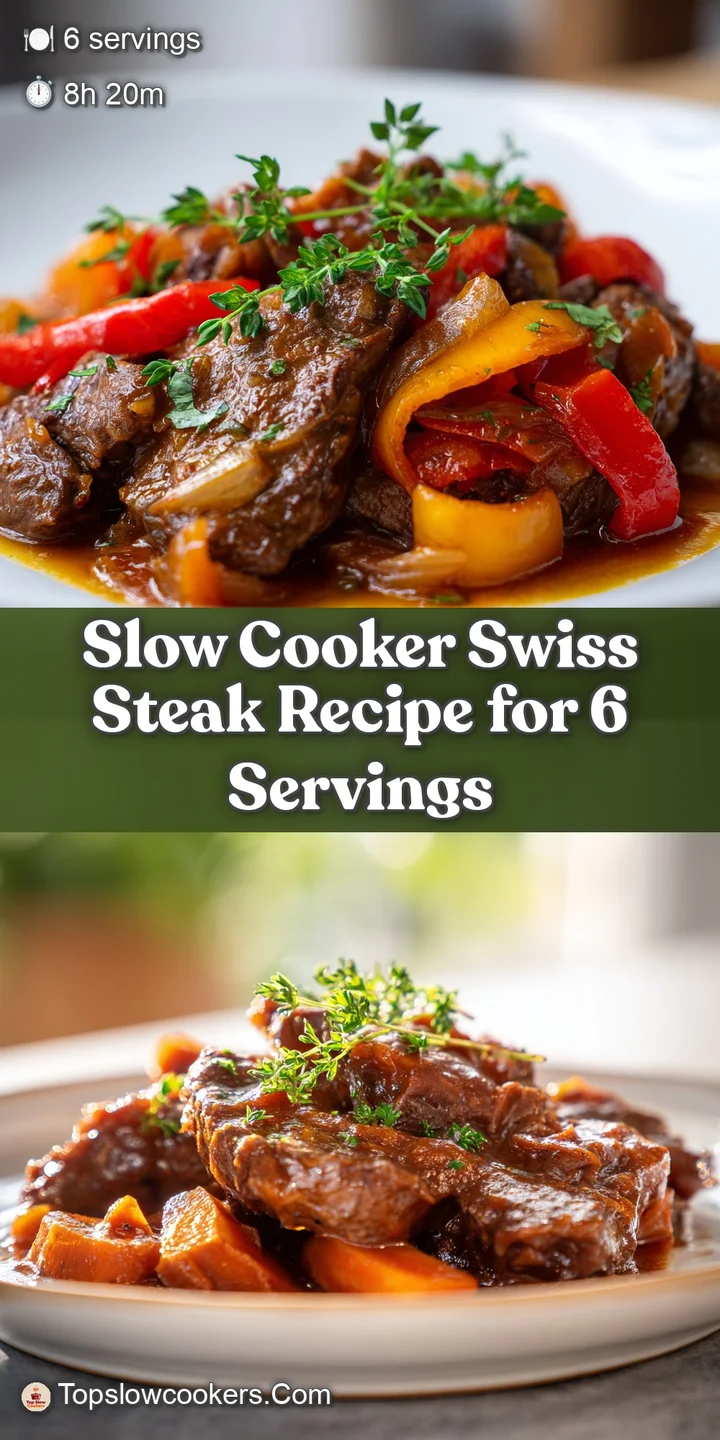
- Time: Active 20 minutes, Passive 8 hours, Total 8 hours 20 minutes
- Flavor/Texture Hook: Fork tender beef in a savory, tomato driven velvety gravy
- Perfect for: Traditional Sunday family dinners or hands off meal prep
- The Architecture of the Fork Tender Breakdown
- Analyzing the Core Components for Perfect Texture
- Prepping Your Station with These Essential Elements
- Equipment Every Home Cook Needs for Success
- Executing the Perfect Braise Step by Step
- Fixing Common Sauce and Steak Texture Issues
- Creative Variations to Keep Your Menu Fresh
- Debunking Slow Cooker Methods
- Storage Guidelines and Leftover Ideas
- Serving Suggestions for a Truly Hearty Meal
- Recipe FAQs
- 📝 Recipe Card
The Architecture of the Fork Tender Breakdown
Collagen Conversion: The low heat over eight hours breaks down the tough collagen fibers in the cube steak, transforming them into silky gelatin that provides a luxurious mouthfeel.
Starch Suspension: The flour coating on the beef doesn't just help with browning; it acts as a built in thickener that emulsifies with the tomato juices and bone broth as it cooks.
| Method | Time | Texture | Best For |
|---|---|---|---|
| Stovetop | 1 hour 30 mins | Chewy but firm | Quick weeknight cravings |
| Slow Cooker | 8 hours | Fork tender/Fall apart | Maximum flavor depth |
| Pressure Cooker | 45 minutes | Soft but less integrated | Last minute emergencies |
Choosing the slow cooker method is a deliberate play for better texture. While the pressure cooker is fast, it often forces moisture out of the muscle fibers too quickly. The slow cooker allows the beef to relax into the liquid, ensuring every bite is saturated with the fire roasted tomato base.
Analyzing the Core Components for Perfect Texture
Understanding why we use specific ingredients helps you become a more intuitive cook. We aren't just throwing things in a pot; we're building a chemical environment that favors tenderness and depth.
| Component | Science Role | Pro Secret |
|---|---|---|
| All purpose Flour | Provides the "Swissing" barrier | Season the flour heavily to ensure the flavor penetrates the meat fibers |
| Fire Roasted Tomatoes | Acidity for tenderizing | Use the fire roasted variety to add a subtle charred depth without liquid smoke |
| Bone Broth | Collagen source for viscosity | high-quality bone broth adds a "lip smacking" finish that regular stock lacks |
The interaction between the acidity in the 411g (14.5 oz) of canned tomatoes and the fibers of the 900g (2 lbs) of beef is what truly does the heavy lifting here. The acid gently weakens the protein bonds, allowing the low heat to do its work without turning the meat into mush.
Prepping Your Station with These Essential Elements
Before we start the sizzle, let's make sure you have everything ready. This isn't just a list; it’s the blueprint for a savory success story.
- 900g (2 lbs) cube steak: This is pre tenderized beef round. Why this? The mechanical perforations allow the gravy to seep into the meat's core.
- 65g (0.5 cup) all purpose flour: Used for the initial dredge.
- 5g (1 tsp) smoked paprika: Adds a woody, red hue and depth.
- 3g (1 tsp) garlic powder: Essential for that classic "gran's kitchen" flavor profile.
- 3g (0.5 tsp) sea salt: Enhances all other savory notes.
- 1g (0.5 tsp) cracked black pepper: Provides a subtle, biting heat.
- 30ml (2 tbsp) avocado oil: For the over high heat sear.
- 1 large yellow onion: Thinly sliced to melt into the sauce.
- 1 green bell pepper: Sliced into strips for a bitter sweet balance.
- 3 cloves garlic: Minced fresh for the best aromatic punch.
- 411g (14.5 oz) canned fire roasted diced tomatoes: The acidic base of our braise.
- 240ml (1 cup) low sodium beef bone broth: Our primary braising liquid.
- 15ml (1 tbsp) Worcestershire sauce: The "umami bomb" that ties it all together.
- 2 sprigs fresh thyme: Adds an earthy, floral top note.
If you are looking for a slightly different take on beef and gravy, you might also enjoy my Slow Cooker Cube recipe which focuses on a more cream based finish.
| Original Ingredient | Substitute | Why It Works |
|---|---|---|
| Avocado Oil | Ghee (30ml) | High smoke point with a rich, buttery finish |
| Bone Broth | Red Wine (240ml) | Adds a sophisticated acidity best for "adult" dinner parties |
| Fire Roasted Tomatoes | Regular Diced Tomatoes | Same acidity but lacks the smoky charred undertones |
Equipment Every Home Cook Needs for Success
You don't need a professional kitchen, but a few specific tools make this process much smoother. I've found that using the right gear prevents the "soggy steak" syndrome that plagues many slow cooker recipes.
First, a heavy bottomed skillet, preferably cast iron, is non negotiable for the initial sear. You want that intense heat to create a crust that won't just wash away in the slow cooker.
Next, a 6 quart (5.7 liter) slow cooker is the ideal size for 900g of meat, allowing enough surface area for the steak to be submerged without being cramped.
Finally, a pair of sturdy tongs is your best friend. You'll be moving the steaks from the flour to the pan and then to the pot. Using a fork pierces the meat and lets those precious juices escape before the braise even begins.
Executing the Perfect Braise step-by-step
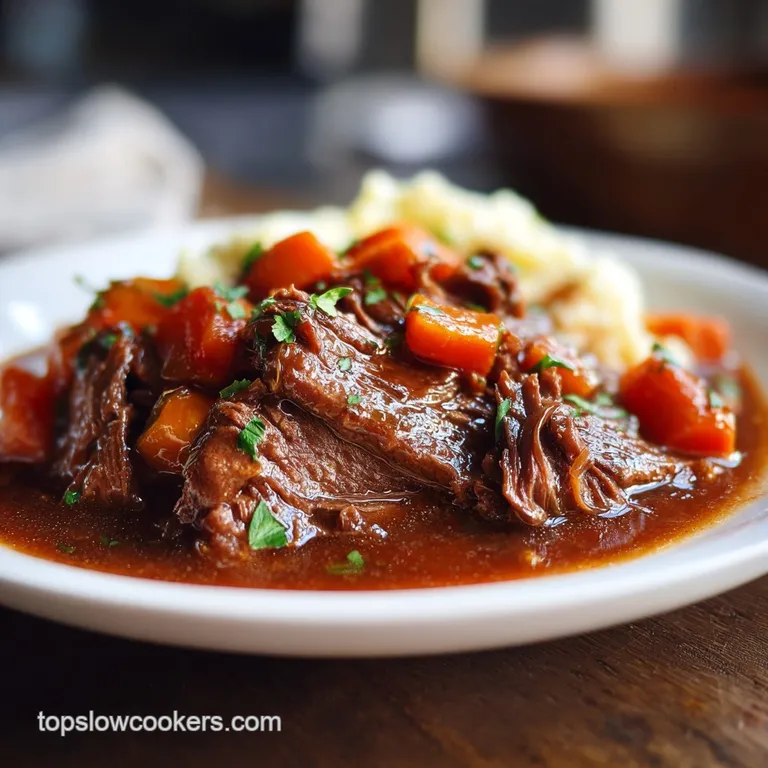
This is where the magic happens. Follow these steps closely, especially the searing part it's the difference between a grey, boiled dinner and a rich, mahogany feast.
- Dredge the beef. Whisk the 65g flour, smoked paprika, garlic powder, salt, and pepper in a shallow bowl. Press each piece of cube steak into the mixture until every crevice is coated. Note: This flour becomes your thickener later.
- Heat the oil. Add 30ml avocado oil to your skillet over medium high heat until it shimmers and wisps of smoke appear.
- Sear the steaks. Work in batches to brown the meat for 3 minutes per side until a dark, golden brown crust forms. Note: We aren't cooking them through, just building flavor.
- Transfer to the pot. Place the seared steaks into the bottom of the slow cooker.
- Sauté the aromatics. In the same skillet, toss in the sliced onion and green pepper for 4 minutes until the onion edges begin to char.
- Add the garlic. Stir in the minced garlic for exactly 60 seconds until the fragrance hits you sharply.
- Deglaze the pan. Pour a splash of the 240ml bone broth into the skillet, scraping up all those brown bits (the fond).
- Combine ingredients. Pour the skillet contents over the steak. Add the tomatoes, remaining broth, Worcestershire sauce, and thyme sprigs.
- Slow cook. Cover and cook on Low for 8 hours until the beef can be cut with a dull spoon.
- Final rest. Turn off the heat and let the pot sit uncovered for 10 minutes until the gravy thickens slightly and settles.
Chef's Tip: If you want a truly "shatter crisp" edge on your meat before it hits the pot, freeze the cube steaks for 15 minutes before dredging. The cold meat hits the hot oil and sears the outside while keeping the inside raw, preventing overcooking during the sear phase.
Fixing Common Sauce and Steak Texture Issues
Even the best of us run into hiccups. If your sauce looks more like soup or your meat is still putting up a fight, don't panic. These are easy fixes that I've learned the hard way.
Solving the Mystery of Thin Gravy
Sometimes the vegetables release more water than expected, leaving you with a watery mess. If your gravy isn't velvety by hour seven, you need to intervene. The easiest way is to whisk 15g of cornstarch with 30ml of cold water and stir it into the pot for the final 30 minutes.
Fixing Tough or Rubbery Beef
If the timer goes off and the meat feels bouncy rather than tender, it simply hasn't been in long enough. "Low and slow" is a literal requirement. Some cuts of round are tougher than others; give it another hour. In a slow cooker, it's almost impossible to overcook this cut in eight to nine hours.
| Problem | Root Cause | Solution |
|---|---|---|
| Bland Sauce | Under seasoned flour | Stir in a teaspoon of beef base or extra Worcestershire |
| Dry Meat | Cooked on "High" heat | Always use the "Low" setting for 8 hours to preserve moisture |
| Pale Gravy | Not enough sear | Next time, ensure the oil is shimmering before adding meat |
Common Mistakes Checklist:
- ✓ Skipping the sear: You’ll lose about 50% of the flavor depth.
- ✓ Using "High" setting: This toughens the protein fibers rather than melting them.
- ✓ Lifting the lid: Every time you peek, you add 15 minutes to the cook time.
- ✓ Crowding the skillet: Searing too much at once steams the meat instead of browning it.
- ✓ Forgetting to deglaze: Those brown bits in the pan are where the savory "umami" lives.
Creative Variations to Keep Your Menu Fresh
While the classic version is hard to beat, I love playing with the flavor profile depending on what's in my pantry.
The Mushroom Forest Twist
Replace the fire roasted tomatoes with 250g of sliced cremini mushrooms and a can of condensed mushroom soup. This creates a creamier, earthier version that feels very much like a Slow Cooker Salisbury recipe. It’s a great way to use the same "Swissing" technique but with a completely different flavor destination.
A Zesty Southwestern Spin
Swap the thyme for cumin and dried oregano. Add a small can of chopped green chiles along with the tomatoes. This version begs to be served over rice or even shredded into tortillas for a very unconventional taco night.
Scaling the Recipe
Scaling Down (1/2 batch): Use a smaller 3 quart slow cooker. Reduce the cook time by about 1 hour and ensure the meat is still mostly submerged in the liquid. Scaling Up (2x batch): You'll need a large 8 quart pot. Only increase the salt and spices by 1.5x to avoid over seasoning.
You may need to reduce the total liquid by 10% as less evaporation occurs in a full pot.
Debunking Slow Cooker Methods
Myth: You don't need to brown the meat because the slow cooker will do it. Truth: Slow cookers never reach the temperatures required for the Maillard reaction.
Without searing in a skillet first, your meat will stay grey and lack the complex savory notes that only over high heat browning can provide.
Myth: Adding more liquid makes the steak juicier. Truth: Actually, too much liquid can "wash out" the flavor of the meat. The beef should be just covered. As the vegetables break down, they release their own juices, creating plenty of gravy.
Storage Guidelines and Leftover Ideas
This is one of those rare dishes that actually tastes better the next day. As it sits in the fridge, the flavors in the gravy continue to meld and the beef absorbs even more of that tomato garlic goodness.
Storage: Keep leftovers in an airtight container in the fridge for up to 4 days. When reheating, do it gently on the stovetop over low heat. If the gravy has thickened too much into a gel, add a splash of bone broth to loosen it back up to its velvety state.
Freezing: This freezes beautifully for up to 3 months. Thaw it overnight in the fridge before reheating. Avoid the microwave for the initial thaw, as it can make the beef feel rubbery.
Zero Waste Tip: Don't throw away that leftover gravy! If you’ve finished the steak but have sauce left, it makes an incredible base for a quick beef stew. Just toss in some par boiled potatoes and carrots the next day. You can also use the leftover shredded beef as a filling for a hearty pot pie.
Serving Suggestions for a Truly Hearty Meal
To truly appreciate the velvety gravy, you need a vessel. Traditionally, a mound of buttery mashed potatoes is the gold standard. The way the tomato based sauce craters into the potatoes is the height of comfort food.
If you want something a bit different, try serving the steak over wide egg noodles or even a thick slice of toasted sourdough. The bread acts like a sponge, soaking up every drop of the Worcestershire spiked sauce.
For a lighter side, a simple roasted broccoli or a crisp green salad provides a necessary crunch to contrast the tender, melting texture of the beef. Whatever you choose, make sure you have enough to go around in my house, the "seconds" are usually requested before the first plate is even finished!
Recipe FAQs
Can I skip searing the steak before putting it in the slow cooker?
No, searing is non-negotiable for flavor. The slow cooker cannot reach the high temperatures required for the Maillard reaction, which develops the deep, savory crust necessary for rich gravy.
What is the purpose of dredging the steak in flour?
The flour acts as the primary thickener for the gravy. It adheres to the meat during searing, and as it cooks down in the liquid, it emulsifies with the tomatoes and broth to create viscosity.
How to ensure the meat is fork tender after 8 hours on Low?
Confirm your slow cooker maintains a gentle simmer, not a hard boil. The key is low, consistent heat over many hours, allowing collagen to break down without forcing moisture out of the muscle fibers.
Is it true that using regular canned tomatoes instead of fire roasted works just as well?
No, this is a common misconception. While regular tomatoes provide necessary acidity, the fire roasted variety imparts a subtle, smoky depth that complements the savory beef flavor profile.
How should I adjust the cooking time if I use a pressure cooker instead?
Pressure cook on High for approximately 45 minutes, followed by a natural pressure release. While faster, the texture will be softer but less integrated than the slow cooker's long braise; see how we balance protein structure in the Pepperoncini Beef Slow recipe.
My sauce is too thin after 8 hours; what is the best way to thicken it?
Whisk 1 tablespoon of cornstarch with 2 tablespoons of cold water, then stir into the slow cooker. Let it cook uncovered on High for the final 30 minutes until the gravy thickens to your desired velvety consistency.
What can I serve this Swiss Steak with for a complete meal?
Serve over creamy mashed potatoes or wide egg noodles to soak up the rich gravy. This classic pairing creates the perfect textural contrast to the meltingly tender beef.
Slow Cooker Swiss Steak
Ingredients:
Instructions:
Nutrition Facts:
| Calories | 368 kcal |
|---|---|
| Protein | 38.2 g |
| Fat | 15.8 g |
| Carbs | 16.4 g |
| Fiber | 2.2 g |
| Sugar | 3.8 g |
| Sodium | 442 mg |
