Slow Cooker Vegetable Soup: Earthy & Herb Infused
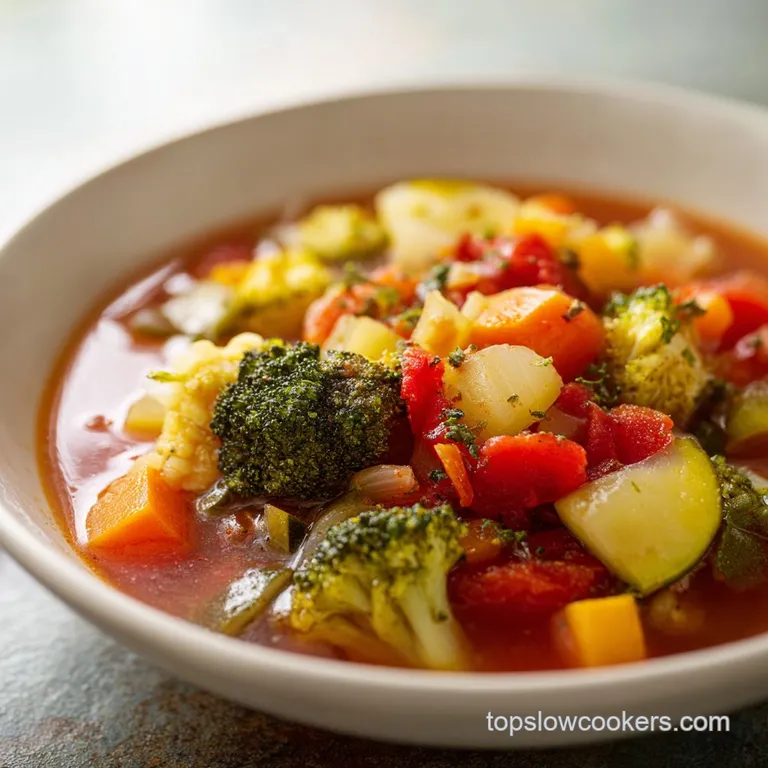
- Time: Active 20 minutes, Passive 6 hours, Total 6 hours 20 minutes
- Flavor/Texture Hook: Earthy, herb infused broth with velvety potatoes
- Perfect for: Stress free weeknight dinner or low cost meal prep
- The Secret to a Rich Slow Cooker Vegetable Soup
- Recipe Specs for a Crowd-Pleasing Pot
- Ingredient Deep Dive for Maximum Flavor
- Essential Tools for Your Kitchen Counter
- From Prep to Plate: Simple Steps
- Common Mistakes and Quick Troubleshooting Fixes
- Variations and Substitutions for Every Pantry
- How to Store and Keep Leftovers
- How to Serve and Enjoy Your Soup
- Recipe FAQs
- 📝 Recipe Card
The Secret to a Rich Slow Cooker Vegetable Soup
The scent hit me before I even stepped through the front door. It was that specific, heavy aroma of onions that had surrendered their bite to the heat, mingled with the woody fragrance of dried thyme. It’s the smell of a home that’s been working on dinner while you were out living your life.
I used to think soup was just water with some boiled bits in it, a mistake I made for years until a rainy Tuesday changed everything.
I had a fridge full of "sad" vegetables carrots looking a bit limp, a half used bag of green beans, and a parmesan rind I’d been saving for a rainy day. I tossed them all into the crockpot, half expecting a bland mush.
Instead, six hours later, I found a broth so deep and complex it tasted like it had come from a high end bistro. That’s the magic of this Slow Cooker Vegetable Soup; it takes the cast offs and turns them into something vibrant and silky.
We often overcomplicate healthy cooking, but this pot is the ultimate "zero fuss" solution. You aren't standing over a stove skimming foam or worrying about a boil over. You're just letting time do the heavy lifting.
Trust me on this: the parmesan rind is not optional if you want that savory backbeat that keeps you coming back for a second bowl. Let’s get into how we make this happen without breaking the bank.
Recipe Specs for a Crowd Pleasing Pot
The Science of the Gentle Simmer: Low heat prevents the vegetable cell walls from collapsing too quickly, allowing flavors to infuse the broth without the ingredients turning into a structural mush.
This gradual process encourages the Maillard reaction in the tomato paste even without over high heat searing.
| Premium Ingredient | Budget Alternative | Flavor Impact | Savings |
|---|---|---|---|
| Fresh Butternut Squash | Frozen Squash Cubes | Slightly softer texture; same sweetness | Save $3.00 |
| Parmigiano Reggiano Rind | Generic Parmesan Rind | Less nutty depth but adds salty umami | Save $4.50 |
| Organic Vegetable Broth | Water + Bouillon Cubes | Saltier profile; requires less added salt | Save $2.00 |
Finding ways to keep the cost down shouldn't mean sacrificing that comforting, creamy texture we all crave. By using frozen squash or even leftover rinds, you're practicing smart, zero waste cooking that actually tastes better because the ingredients have had all day to get acquainted.
Ingredient Deep Dive for Maximum Flavor
The Aromatic Base
Everything starts with the trifecta of onion, celery, and carrots. I use one large yellow onion (about 200g) because it has a higher sugar content than white onions, which helps balance the acidity of the tomatoes. The carrots (250g) add that essential sweetness, while the celery provides a subtle, salty structure.
If you're in a rush, a pre chopped mirepoix mix from the grocery store works brilliantly here, but cutting them yourself ensures those 1/4 inch crescents stay intact during the long cook.
The Hearty Vegetables
For the bulk of the soup, we're looking at Yukon Gold potatoes (400g) and butternut squash (130g). Yukon Golds are non negotiable for me because they hold their shape better than Russets but still release enough starch to give the broth a velvety mouthfeel. The squash adds a subtle creaminess as it softens, almost acting as a natural thickener. If you're looking for something even heartier, this base is very similar to what I use in my Slow Cooker Vegetable recipe when I want to add protein.
| Ingredient | Science Role | Pro Secret |
|---|---|---|
| Tomato Paste | Umami Booster | Sauté it with the onions first to caramelize the sugars |
| Yukon Gold Potatoes | Starch Stabilizer | Keep the skins on for extra fiber and better structure |
| Parmesan Rind | Glutamate Source | It dissolves slightly, acting as a natural "flavor glue" |
The Liquid and Seasoning
We're using 6 cups of low sodium vegetable broth to keep the salt levels under our control. The Worcestershire sauce might seem small at 1 tbsp, but it provides a fermented depth that mimics a meat based stock. Combined with the dried oregano and thyme, it creates a herbaceous layer that penetrates the vegetables. For a different flavor profile entirely, you might enjoy the spices in my Slow Cooker Taco recipe which uses a similar liquid to veg ratio.
Essential Tools for Your Kitchen Counter
You don’t need a gadget filled kitchen to pull this off, but a few basics make the prep much smoother. A standard 6 quart slow cooker (like a Crock Pot or Hamilton Beach) is the ideal size for this volume. If yours is larger, just keep an eye on the liquid levels as it may evaporate slightly faster.
A sharp chef's knife is your best friend here. Since we’re dealing with 400g of potatoes and 250g of carrots, you want clean, uniform cuts. This isn't just for aesthetics; uniform pieces mean every bite is cooked to the same level of tenderness.
I also recommend a good vegetable peeler one of those Y shaped ones to make quick work of the carrots and squash. If you find yourself making soups often, an immersion blender is a nice to have, though for this specific chunky version, we want to keep most of the texture intact.
From Prep to Plate: Simple Steps
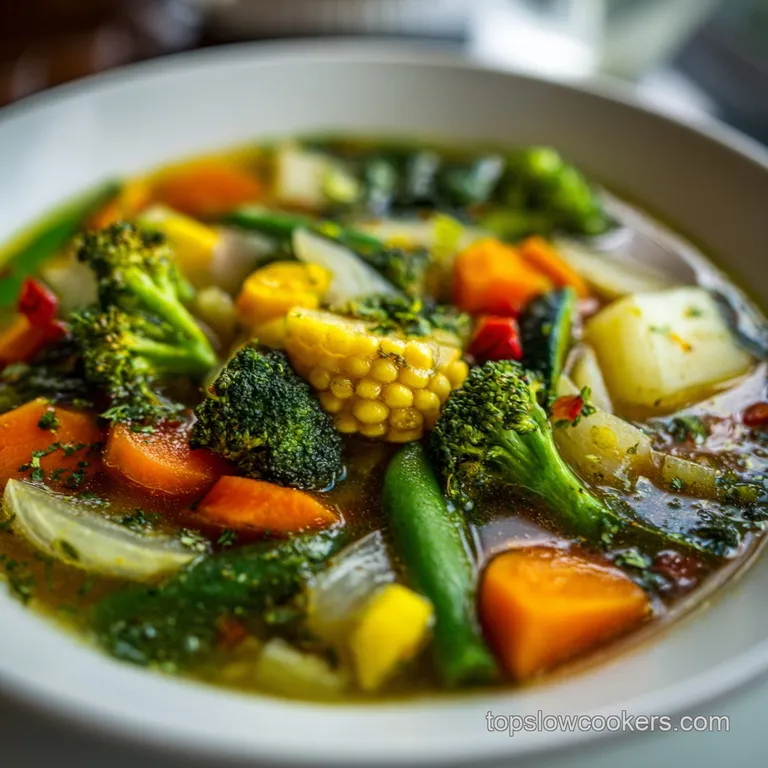
- Sauté the aromatics. Heat 2 tbsp olive oil in a skillet and cook the diced yellow onion (200g) until translucent. Note: This step is optional but adds a layer of sweetness you can't get from "dumping" alone.
- Bloom the garlic. Add the 3 cloves of minced garlic and 2 tbsp tomato paste to the onions. Cook for 2 minutes until the paste turns a deep brick red.
- Layer the roots. Place the sliced celery, carrots (250g), and cubed Yukon Gold potatoes (400g) into the slow cooker insert.
- Add the squash. Toss in the 1 cup of cubed butternut squash. Ensure pieces are uniform to prevent mushiness.
- Season the pot. Sprinkle in the 1 tsp dried oregano, 1 tsp dried thyme, and 1 tbsp Worcestershire sauce over the vegetables.
- Pour the liquids. Add the 14.5 oz can of diced tomatoes (with juice) and 6 cups of vegetable broth.
- The secret addition. Submerge the parmesan rind into the liquid. This adds a silky richness to the broth.
- Slow simmer. Cover and cook on Low for 6 hours. Check at 5 hours for potato tenderness.
- The green finish. Stir in the 1 cup of green beans (150g) and 2 cups of baby spinach during the last 30 minutes. Note: This keeps the greens vibrant and slightly snappy.
- Brighten the bowl. Stir in 1 tbsp fresh lemon juice and 1/4 cup chopped parsley just before serving.
Common Mistakes and Quick Troubleshooting Fixes
One of the most frequent errors I see is adding the delicate greens too early. If you put spinach or green beans in at the start of a 6 hour cook, they’ll turn a dull grey and lose their texture entirely. By waiting until that final 30 minute window, you ensure the soup looks as fresh as it tastes.
Also, don't skip the lemon juice at the end; that hit of acid acts like a spotlight, making all the other flavors "pop" without adding more salt.
Why Your Soup Lacks Depth
If your soup tastes a bit like "hot vegetable water," it's likely missing the umami foundation. This usually happens if the tomato paste wasn't caramelized or the parmesan rind was skipped. You can fix this mid cook by stirring in a little extra Worcestershire or even a splash of soy sauce.
It won't make it taste like soy; it just adds the missing amino acids.
| Problem | Root Cause | Solution |
|---|---|---|
| Mushy Vegetables | Cooked too long or cut too small | Cut potatoes into 1/2 inch cubes; use the "Low" setting |
| Bitter Aftertaste | Garlic scorched during sautéing | Add garlic only in the last 30 seconds of sautéing |
| Thin, Watery Broth | Not enough starch release | Mash a few potato cubes against the side of the pot |
Common Mistakes Checklist
- ✓ Don't peel the potatoes entirely; the skins help them hold their shape during the long simmer.
- ✓ Avoid the "High" setting if you have the time; "Low" allows for better flavor extraction without boiling.
- ✓ Never add fresh herbs like parsley at the start; their volatile oils will vanish in the heat.
- ✓ Pat the green beans dry after trimming to ensure they don't introduce excess moisture.
- ✓ Use a low sodium broth so you can control the seasoning at the very end.
Variations and Substitutions for Every Pantry
One of the best things about a Slow Cooker Vegetable Soup recipe is how flexible it is. If you don't have butternut squash, sweet potatoes are a fantastic substitute. They offer the same creamy texture and sweetness but are often easier to find in the pantry. Similarly, if you want a thicker, more chowder like consistency, you could look at the techniques used in my Slow Cooker Potato recipe and blend a portion of the soup.
| Original Ingredient | Substitute | Why It Works |
|---|---|---|
| Vegetable Broth | Beef or Chicken Broth | Adds more protein rich depth. Note: Changes it from vegetarian to savory meat base |
| Butternut Squash | Sweet Potato | Similar sugar content and starch level for thickening |
| Spinach | Kale | Kale is heartier. Note: Add it 1 hour before finishing instead of 30 mins |
Integrating Beef for Heartiness
If you want to turn this into a full blown meal for meat lovers, you can add 1 lb of beef stew meat. Just be sure to brown the meat first in the skillet with the onions to lock in the juices. This hybrid approach makes a healthy slow cooker vegetable soup feel much more substantial for those cold winter nights.
Utilizing Frozen Vegetables for Speed
If you're in a total "zero fuss" mood, you can use a 16 oz bag of frozen mixed vegetables (corn, peas, carrots). Don't add them at the start! Keep them in the freezer until the last 45 minutes of cooking. This keeps them from becoming waterlogged and preserves their bright colors.
How to Store and Keep Leftovers
This soup is actually better on day two. As it sits in the fridge, the starches from the potatoes continue to thicken the broth, and the herbs fully permeate the vegetables. It will keep in an airtight container for up to 4 days. When reheating, do it gently on the stove over medium low heat.
You might need to add a splash of water or broth, as the potatoes will have soaked up some of the liquid.
For long term storage, this soup freezes beautifully for up to 3 months. However, a quick tip: if you know you're going to freeze a batch, undercook the potatoes slightly. This prevents them from becoming grainy when they're eventually thawed and reheated.
To thaw, leave it in the fridge overnight rather than using the microwave's defrost setting to keep the vegetable textures intact.
How to Serve and Enjoy Your Soup
Serving this soup is where you can really get creative with textures. Since the soup itself is soft and velvety, I love pairing it with something that has a serious "shatter" factor. A thick slice of toasted sourdough rubbed with a raw garlic clove is my absolute favorite.
The crunch of the bread against the silky broth is a match made in heaven.
For garnishes, think about contrast. A dollop of pesto adds a vibrant green swirl and a hit of pine nut fattiness. If you aren't keeping it vegetarian, some crispy bacon bits sprinkled on top provide a smoky crunch. Even a simple extra grating of fresh parmesan can take it from a humble weeknight meal to something that feels special. If you're looking for more inspiration on hearty, soup adjacent meals, our Slow Cooker Lasagna recipe offers a similarly comforting experience with a bit more cheese forward indulgence.
Unmasking Kitchen Tall Tales
One common myth is that you must "sweat" every single vegetable before they go into the slow cooker. While it helps the onions, doing it for the carrots or potatoes doesn't actually change the end result much because they’re going to be submerged in liquid for hours anyway.
Another myth is that slow cookers "kill" vitamins. While some heat sensitive vitamins like Vitamin C do degrade, the minerals and fat soluble vitamins stay right there in the broth, which you’re consuming anyway!
Final Decision Guide
- If you want a creamier texture, mash two ladles of the finished soup and stir it back in.
- If you want more protein, add a can of rinsed cannellini beans in the last hour.
- If you want a smokier flavor, add a teaspoon of smoked paprika along with the oregano.
Recipe FAQs
What not to put in vegetable soup?
Avoid extremely delicate vegetables or cruciferous vegetables high in sulfur. Things like fresh asparagus or cabbage can turn mushy or bitter during a long, low simmer.
Can I put raw vegetables in a slow cooker?
Yes, raw vegetables are perfect for the slow cooker. The long cooking time breaks down the cellulose walls, leading to a softer texture and deeper flavor infusion than quick boiling.
What are some common mistakes when making vegetable soup?
Adding delicate greens too early is the most common error. Delicate vegetables like spinach or fresh herbs should only be added in the last 30 minutes to prevent discoloration and texture loss.
What is the most delicious soup in the world?
This is highly subjective, but flavor science points toward rich umami bases. Soups that balance salt, acid, and savoriness, like those enhanced with a parmesan rind or tomato paste, are consistently rated as highly satisfying.
Is it true I must brown the vegetables before adding them to the slow cooker?
No, this is a common misconception for vegetable soup. While searing meat adds flavor, for most vegetables, the slow cooker achieves deep flavor through long infusion, especially if you start by caramelizing the tomato paste.
How to make vegetable soup broth taste less watery?
Mash a few potato cubes against the side of the slow cooker during the last hour. This releases starch naturally, thickening the broth without needing flour or cornstarch, much like thickening happens naturally in our Slow Cooker White recipe base.
What seasoning should I use to maximize savory flavor without meat?
Use a combination of dried umami boosters and fresh acid at the end. Incorporate a parmesan rind during the cook time, and finish with a tablespoon of lemon juice to brighten the herbs, which showcases the flavor balancing principles found in our Crock Pot Chicken recipe.
Slow Cooker Vegetable Soup
Ingredients:
Instructions:
Nutrition Facts:
| Calories | 172 kcal |
|---|---|
| Protein | 4.1 g |
| Fat | 4.6 g |
| Carbs | 28.4 g |
| Fiber | 5.2 g |
| Sugar | 6.1 g |
| Sodium | 345 mg |
