Smoked Baked Beans with Bacon and Beef
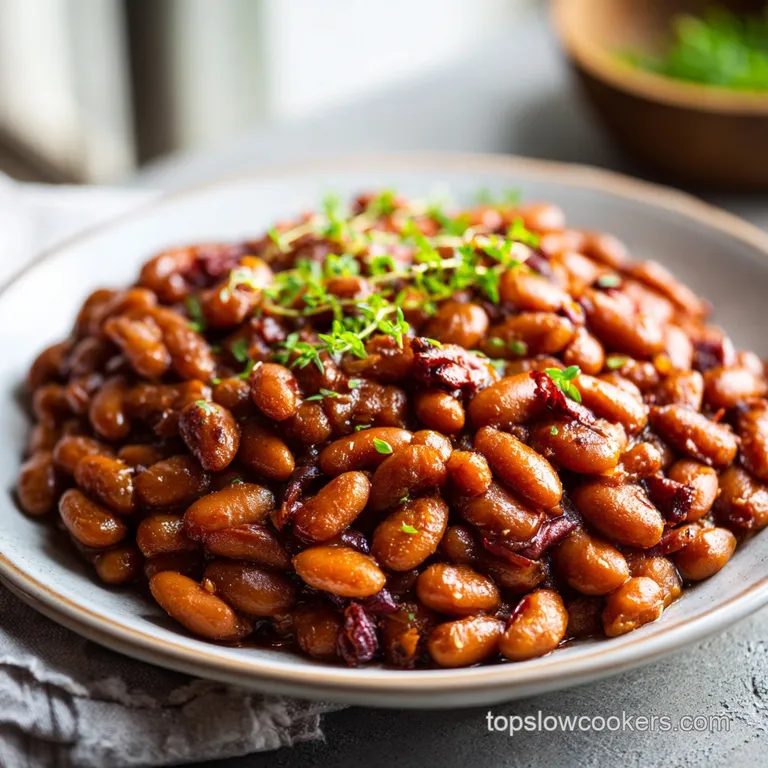
- Time: Active 20 minutes, Passive 180 minutes, Total 200 minutes
- Flavor/Texture Hook: A thick, velvety lacquer with tender beans and crispy bacon bits
- Perfect for: Backyard gatherings and traditional Sunday roasts
- Mastering the Ultimate Smoked Baked Beans
- The Secret to Smoky Depth
- Understanding the Primary Components
- The Essential Component List
- Minimal Gear for Success
- Simple Steps for Smoky Success
- Solving Common Bean Blunders
- Customizing Your Bean Pot
- Saving Your Smoky Leftovers
- Best Sides for Bean Feasts
- Busting Common BBQ Myths
- Very High in Sodium
- Recipe FAQs
- 📝 Recipe Card
Mastering the Ultimate Smoked Baked Beans
Long before the backyard grill became a suburban staple, baked beans were a necessity born of patience and local tradition. In the early colonial days of New England, this dish was a cultural adaptation of indigenous techniques, where beans were slow cooked in pits with maple syrup and fat.
As time marched on, the molasses trade in port cities like Boston turned this into a savory, dark, and thick staple often served on Saturday nights. It was food designed to last, providing a hearty, tender meal that only got better as it sat.
When you take this concept to a modern smoker, you're tapping into that same ancestral logic. We aren't just heating things up; we're letting the wood smoke permeate the sugars and fats, creating a depth of flavor that a standard oven simply cannot replicate.
I remember the first time I tried making these on a whim for a neighborhood block party. I thought the ground beef might be overkill, but the way it absorbs the apple cider vinegar and molasses creates this incredible savory base that makes regular beans feel like an appetizer.
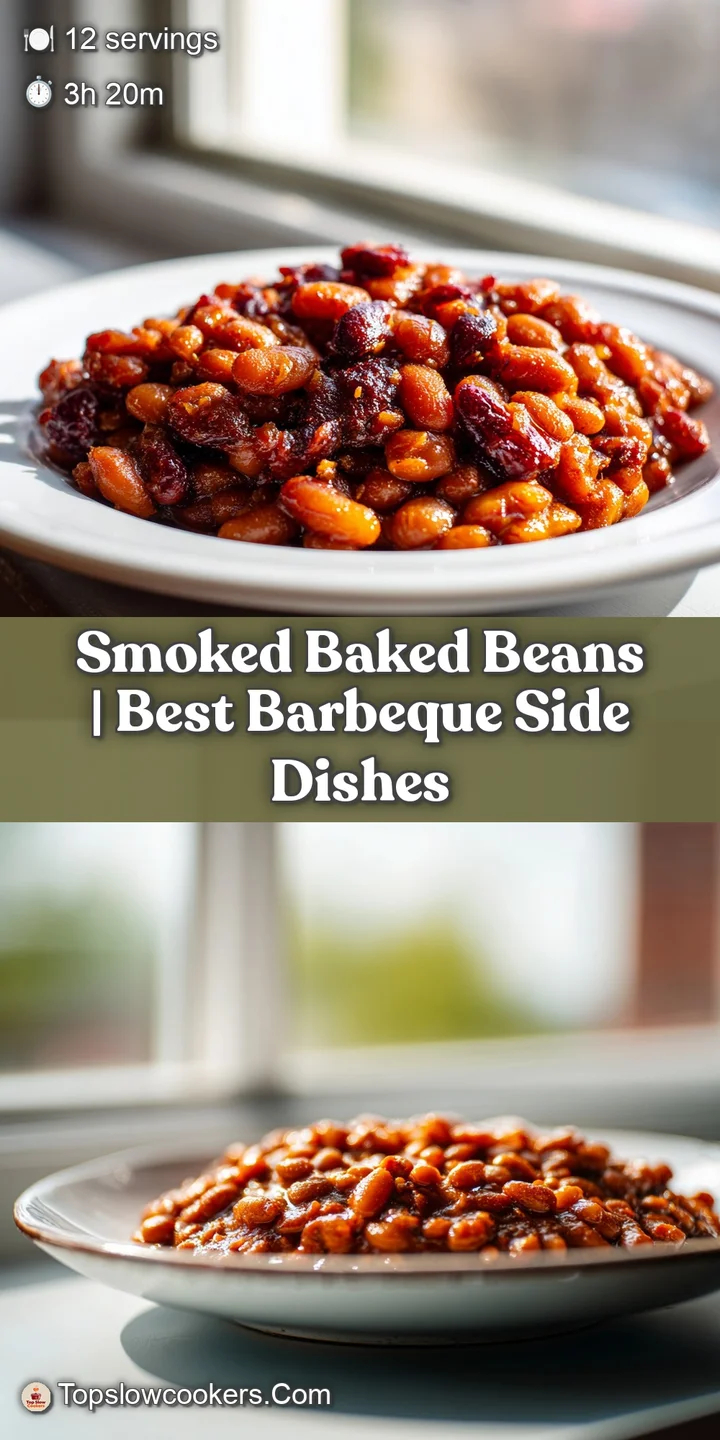
This version is all about the "velvety lacquer" that forms on the surface. We are looking for that specific moment where the liquid reduces just enough to coat the back of a spoon without becoming a solid brick.
It's a balance of acid from the mustard and vinegar against the heavy, dark sweetness of the blackstrap molasses. If you follow these steps, you won't just have a side dish; you'll have the part of the meal everyone keeps coming back for with a second plate.
The Secret to Smoky Depth
Smoke Absorption: The high surface area of the beans and the open 9x13 pan allows the wood particulates to bind with the fats in the bacon and beef. This creates a deep, campfire flavor that penetrates the entire batch rather than just sitting on top.
Sugar Reduction: As the beans sit at 110°C (230°F), the water in the BBQ sauce and vinegar evaporates, concentrating the molasses into a thick, tacky glaze. This process, known as reduction, is what gives the beans their signature "lacquer" finish.
Starch Thickening: The beans release a small amount of natural starch as they heat, which emulsifies with the rendered bacon fat to create a silky, heavy sauce. This ensures the liquid doesn't just run off the beans but clings to them in every bite.
| Thickness | Smoker Temp | Cook Time | Visual Cue |
|---|---|---|---|
| Standard (9x13 pan) | 110°C-120°C | 180 minutes | Sauce is thick and bubbles slowly at the edges |
| Double Batch (Deep pan) | 110°C-120°C | 210 minutes | Center is hot and sauce has darkened significantly |
| Half Batch (Small skillet) | 110°C-120°C | 120 minutes | Liquid has reduced by half and looks glossy |
The surface area of your pan is actually one of the most overlooked parts of this recipe. If you use a very deep, narrow pot, the smoke won't reach the bottom layers, and the liquid won't evaporate effectively. I always suggest a wide aluminum or cast iron vessel to maximize that smoky contact.
Understanding the Primary Components
| Ingredient | Science Role | Pro Secret |
|---|---|---|
| Blackstrap Molasses | Provides viscosity and a bitter sweet depth that balances the salt. | Always add this last to the mix so it doesn't settle at the bottom of the bowl. |
| Apple Cider Vinegar | The acid breaks down the heavy proteins in the beef and cuts through the fat. | Use a high-quality organic version with "the mother" for a more complex tang. |
| Navy Beans | These have a thin skin that allows the smoke to penetrate the interior starch. | Rinse them thoroughly to remove excess canning liquid, which can taste metallic. |
| 90/10 Ground Beef | Adds a savory, "meaty" texture without making the dish overly greasy. | Brown it until it's almost crispy to ensure it holds its shape in the sauce. |
When we talk about the architecture of a great side dish, the choice of bean is paramount. Some people swear by using only one type, but the mix of navy and pinto beans provides two different textures.
The navy beans tend to go a bit softer, creating a creamy mouthfeel, while the pinto beans stay a bit more firm and "toothy."
The Essential Component List
- 1 lb (450g) thick cut bacon, diced: Why this? The thick cut provides "chew" and prevents the bacon from disappearing into the sauce.
- 1 lb (450g) 90/10 lean ground beef: Why this? Lean beef provides the necessary protein structure without an oil slick on top.
- 1 large yellow onion, finely diced: Why this? Yellow onions have a high sugar content that caramelizes beautifully during the smoke.
- 1 bell pepper, seeded and diced: Why this? Adds a subtle earthy sweetness and a bit of color to the dark sauce.
- 3 cans (425g each) navy beans, rinsed and drained: Why this? These small beans are the classic choice for a smooth, traditional texture.
- 2 cans (425g each) pinto beans, rinsed and drained: Why this? Larger and heartier, these add variety to every spoonful.
- 1 cup low sugar BBQ sauce: Why this? Provides the base flavor; low sugar allows the molasses to shine without being cloying.
- 0.25 cup apple cider vinegar: Why this? Essential for balancing the heavy fats and dark sugars.
- 2 tbsp blackstrap molasses: Why this? This is the soul of the dish, providing that dark, rich, old school flavor.
- 2 tbsp yellow mustard: Why this? Adds a sharp, vinegary punch that wakes up the savory spices.
- 1 tbsp smoked paprika: Why this? Reinforces the natural wood smoke flavor from the pellet grill or offset smoker.
- 1 tsp garlic powder: Why this? Distributes garlic flavor evenly through the liquid without the risk of burning fresh cloves.
- 0.5 tsp cayenne pepper: Why this? Just enough to provide a back of-the throat warmth without being "hot."
| Original Ingredient | Substitute | Why It Works |
|---|---|---|
| Blackstrap Molasses | Dark Brown Sugar | Similar molasses content but slightly sweeter and less bitter. |
| 90/10 Ground Beef | Ground Pork | Increases the fat content and adds a traditional sausage like flavor. |
| Apple Cider Vinegar | White Wine Vinegar | Provides the necessary acidity but with a slightly milder, floral profile. |
Minimal Gear for Success
You don't need a kitchen full of gadgets to pull this off, which is the beauty of it. A solid, heavy skillet is your primary tool for the stovetop portion. I prefer a well seasoned cast iron skillet because it holds heat remarkably well, which is exactly what you need when you're browning that 1 lb of ground beef.
If you use a thin stainless steel pan, you might find the meat steams rather than browns, and we want that savory crust.
For the smoking phase, a 9x13 aluminum disposable pan is actually a secret weapon for busy cooks. It makes cleanup a breeze, but more importantly, it conducts heat quickly. If you want something more permanent, a ceramic baking dish works, though it may take an extra 15 minutes to come up to temperature.
You'll also need a sturdy slotted spoon to move that bacon around and a large mixing bowl to get everything incorporated before it hits the heat.
Simple Steps for Smoky Success
- Render the bacon. Set a skillet over medium high heat. Add the diced bacon and cook until the edges are crispy and the fat has rendered. Note: Don't rush this; the rendered fat is the liquid gold that flavors the vegetables later.
- Brown the beef. Remove the bacon with a slotted spoon and set aside, leaving the rendered fat in the pan. Add the ground beef to the pan, breaking it into small crumbles until fully browned and fragrant.
- Sauté the aromatics. Toss the diced onions and bell peppers into the pan with the beef and sauté until the vegetables are translucent and the onions start to turn golden.
- Prepare the bean base. In a large mixing bowl or a 9x13 aluminum pan, combine the drained navy and pinto beans. Note: Make sure they are well drained to avoid a watery sauce.
- Incorporate the meats. Add the cooked meat mixture (beef, onions, peppers) and the reserved crispy bacon to the beans.
- Add the sauce elements. Pour in the BBQ sauce, apple cider vinegar, molasses, mustard, and all the spices.
- Mix thoroughly. Stir the mixture thoroughly until every bean is evenly coated in the dark sauce foundation.
- Preheat the smoker. Set your smoker to a temperature between 110°C and 120°C (225°F-250°F).
- The smoke bath. Place the pan in the smoker and cook for 180 minutes. Note: Keep the lid closed as much as possible to maintain a consistent temp.
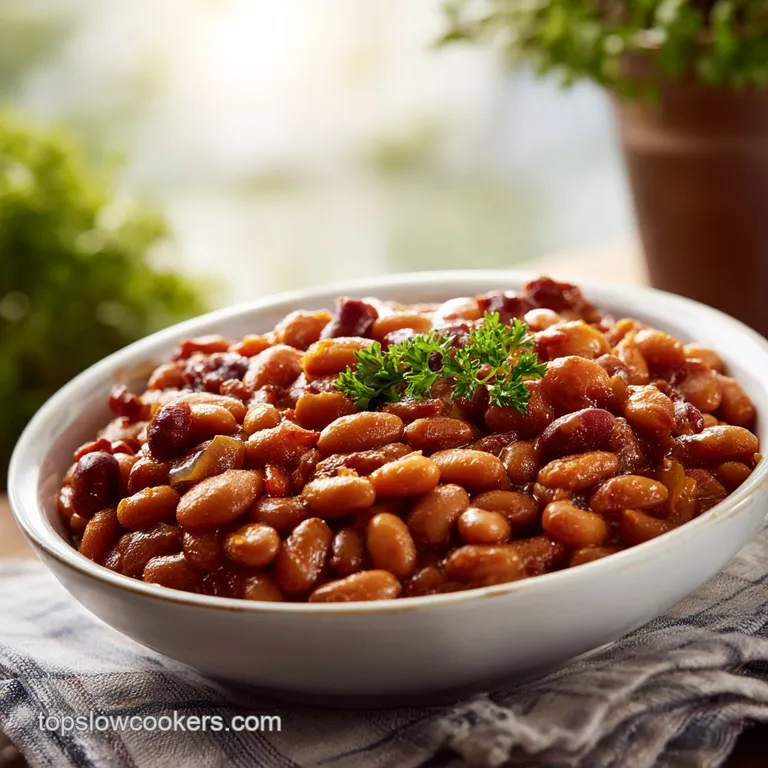
- Check the reduction. After 3 hours, the sauce should have reduced into a thick, velvety lacquer. Remove from heat and let it rest for 10 minutes before serving until the sauce sets slightly.
Solving Common Bean Blunders
Why Your Beans Are Runny
If your finished dish looks more like soup than a thick side, the most likely culprit is excess moisture. This usually happens if the beans weren't drained well enough or if the smoker temperature was too low, preventing evaporation.
Why the Beans Feel Hard
Sometimes, despite hours in the smoker, the beans have a "crunch" to them. This often happens if you add too much acid (like vinegar or molasses) too early to dry beans, but since we are using canned beans, it's usually a matter of the sauce not having enough liquid to hydrate them during the reduction.
| Problem | Root Cause | Solution |
|---|---|---|
| Thin, watery sauce | Insufficient evaporation or wet beans. | Smoke for an additional 30 mins uncovered or at 10°C higher. |
| Overly salty taste | Bacon or BBQ sauce had high sodium. | Add a tablespoon of brown sugar or a splash of water to dilute. |
| Lack of smoke flavor | Smoker temperature was too high. | Ensure temp stays below 125°C and use a stronger wood like hickory. |
Common Mistakes Checklist:
- ✓ Drain and rinse the canned beans thoroughly to remove the thick, metallic canning liquid.
- ✓ Don't skip browning the beef; unbrowned meat adds a grey color and soft texture you don't want.
- ✓ Ensure the smoker is truly preheated before the beans go in to avoid "sooty" flavor from a dirty fire.
- ✓ Use a wide pan to maximize the surface area for smoke contact and liquid reduction.
- ✓ Let the beans rest for at least 10 minutes after cooking; the sauce thickens significantly as it cools.
Customizing Your Bean Pot
If you find yourself needing to feed a massive crowd, scaling this recipe is quite simple. Because the sauce is so rich, you don't necessarily need to double the spices linearly. If you are doubling the beans and meat to 4 lbs total, I usually recommend only 1.5x the cayenne and mustard to avoid overwhelming the palate.
You will likely need to increase your cook time by about 30 to 45 minutes if you are using a deeper pan, as it takes longer for the heat to penetrate the center.
For those looking to scale down, this recipe halves perfectly. A half batch fits beautifully in a 10 inch cast iron skillet. Just keep a close eye on the liquid levels around the 90 minute mark.
Since there is less volume, the reduction happens much faster, and you don't want the molasses to burn against the bottom of the pan.
If you are looking for a different flavor profile, you can always swap the ground beef for shredded brisket. This is a great way to use up leftovers from a previous smoke. If you happen to have a Mississippi Pot Roast recipe leftover in the fridge, those tender shreds of beef would be an incredible addition to this bean base. The pepperoncini juice from that roast can even replace some of the apple cider vinegar for a spicy, tangy kick.
Saving Your Smoky Leftovers
Storage Guidelines: These beans are actually one of those rare dishes that taste better the next day. Once they've completely cooled, store them in an airtight container in the fridge for up to 4 days.
The starch in the beans will continue to thicken the sauce, so you might need to add a tablespoon of water or apple juice when reheating to bring back that velvety texture.
Freezing and Reheating: You can freeze these beans for up to 3 months. I suggest freezing them in individual portions in freezer safe bags. To reheat, let them thaw in the fridge overnight. The best way to get that "just smoked" quality back is to reheat them slowly on the stovetop over low heat.
Avoid the microwave if possible, as it can cause the sugars in the molasses to heat unevenly and scorch.
Zero Waste Tips: If you have just a small amount of beans left, don't toss them! They make an incredible topping for a loaded baked potato or a smoky addition to a morning plate of eggs and toast.
If you have leftover bacon grease from the initial render, save it in a jar in the fridge; it's the perfect fat for sautéing greens or frying potatoes later in the week.
Best Sides for Bean Feasts
When you have something as heavy and savory as these beans, you want to pair them with items that offer a contrast in texture or a bit of crunch. Traditional BBQ staples like cornbread or a crisp coleslaw are the obvious choices. The creaminess of a slaw cuts through the intense molasses of the beans perfectly.
For a sweet and salty contrast, you might consider serving these alongside some slow cooked candied pecans. The crunch of the nuts and the cinnamon sugar coating play off the smoky, savory notes of the bacon and beef in a way that feels very "Southern Porch." If you're going for a full scale feast, a simple smoked chicken or pulled pork shoulder will allow the beans to shine as the star side dish.
Busting Common BBQ Myths
The "Acid Prevents Softening" Myth: There is a long standing belief that adding vinegar or molasses early in the cooking process will keep beans hard forever. While this is true for dried beans (acid can strengthen the cell walls), it isn't an issue for the canned beans used in this recipe.
Since they are already cooked and softened during the canning process, you can add your acid and sugar at the very beginning without fear.
The "High Heat Equals Faster Smoke" Myth: Many people think that if they crank the smoker to 150°C (300°F), they can get the same results in half the time. This is a mistake.
Smoked Baked Beans need that low, consistent 110°C (230°F) to allow the smoke particulates to actually settle into the sauce. High heat will simply boil the liquid away before the smoke has a chance to do its job, leaving you with a dish that's dry but not actually smoky.
The "Molasses is Just for Sweetness" Myth: People often mistake molasses for just another sweetener like honey or sugar. In reality, blackstrap molasses brings a massive amount of mineral like bitterness and acidity to the dish.
It's what provides the "dark" flavor profile that sets these apart from store-bought beans. It’s about complexity, not just sugar content.
Very High in Sodium
885 mg of sodium per serving (38% of daily value)
The American Heart Association recommends limiting sodium intake to 2,300mg per day, with an ideal limit of less than 1,500mg per day for most adults.
Tips to Reduce Sodium
-
Choose Lower Sodium Bacon-25%
Replace the 1 lb thick cut bacon with a lower sodium variety. This is the biggest contributor to sodium in the dish.
-
Opt for No-Salt Added Canned Beans-20%
Switch to no-salt added navy beans and pinto beans. Rinsing canned beans removes some sodium, but starting with no-salt added is more effective.
-
Use Low-Sodium BBQ Sauce-20%
Substitute the 1 cup low-sugar BBQ sauce with a low-sodium or no-salt added BBQ sauce. Check labels carefully.
-
Enhance Flavor with Herbs and Spices
Increase the use of fresh or dried herbs and spices like fresh garlic, onion powder (instead of salt), cumin, or chili powder to boost flavor without adding sodium.
-
Reduce or Omit Added Salt-5%
The recipe doesn't explicitly call for added salt, but if you are in the habit of adding it, omit it entirely. The bacon and sauces already contribute significant sodium.
Recipe FAQs
Can you smoke canned baked beans?
Yes, absolutely. Canned navy and pinto beans are the perfect base because they provide a consistent, tender texture that absorbs the smoke while the sauce reduces into a thick, velvety lacquer during the 3-hour smoke time.
How long to smoke beans at 225°F?
Smoke the bean mixture for exactly 3 hours. This duration allows the apple cider vinegar, molasses, and BBQ sauce to concentrate properly without drying out the beans.
Are baked beans good for diabetics?
No, this is a common misconception. While this recipe uses low-sugar BBQ sauce, the inclusion of blackstrap molasses and the beans themselves contain significant carbohydrates that can impact blood glucose levels.
What are cowboy beans?
Cowboy beans are a hearty variation featuring meat and savory seasonings. Much like this recipe, they rely on a mix of bacon and ground beef, similar to how we build a rich, complex base in our beef chili recipe by layering rendered animal fats with aromatics and bold spices.
Is it better to sauté the aromatics before smoking?
Yes, always sauté the onions and bell peppers first. Cooking them in the rendered bacon fat until they are translucent and fragrant ensures they soften completely during the smoking process and fully release their flavor into the sauce.
Can I prepare these beans ahead of time?
Yes, you can prep up to 24 hours in advance. Simply sauté the bacon, beef, and vegetables and combine them with the sauce ingredients in your pan, then refrigerate until you are ready to start the smoker.
How to ensure the sauce gets thick and velvety?
Stir the mixture thoroughly to ensure every bean is coated before smoking. Once in the smoker, the low-temperature heat exposure for 3 hours naturally reduces the liquid components, concentrating the molasses and BBQ sauce into the desired lacquer consistency.
Smoked Baked Beans
Ingredients:
Instructions:
Nutrition Facts:
| Calories | 382 kcal |
|---|---|
| Protein | 20.2 g |
| Fat | 14.4 g |
| Carbs | 32.6 g |
| Fiber | 11.8 g |
| Sugar | 7.4 g |
| Sodium | 885 mg |
