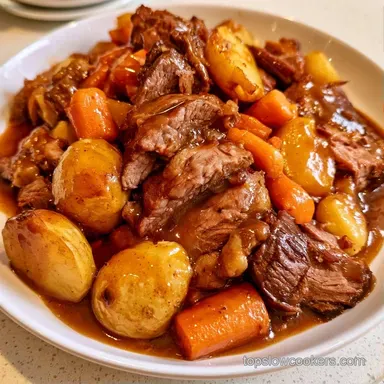
Chuck Roast with Brown Gravy with Potatoes
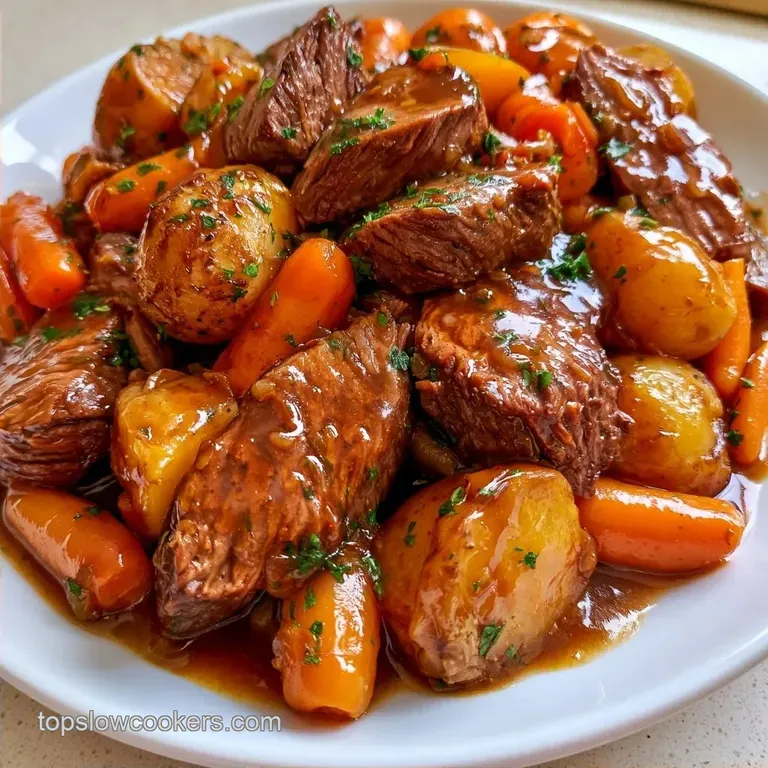
- Time: 15 minutes hands-on + 8 hours total
- Highlights: Deeply browned, tender beef with a silky, rich sauce
- Perfect for: Sunday family dinners or a low-stress weekday meal
Chuck Roast With Brown Gravy
That intense sizzle as the beef hits the hot oil is pure magic. It's the sound of flavor developing in real-time. I used to just toss everything into the slow cooker and hope for the best, but that always left me with a grey, steamed roast that tasted bland, almost like beef-infused water.
Everything changed once I started dedicating ten minutes to the stovetop before moving the meat to the cooker. Achieving that rich, dark sear completely transforms the dish, elevating it from a basic stew to a robust meal with genuine depth.
The end result is a roast that falls apart with the slightest touch of a fork. Instead of a thin, salty packet sauce, you get a rich, velvety gravy that hugs every potato. Your home will smell wonderfully savory for the full eight hours this meal is cooking.
Quick Roast Specs
The timing here is straightforward, but don't try to rush the over low heat phase. If you switch to high heat too early, the beef can tighten up. Stick to the 8 hour window for the best results.
| Method | Time | Texture | Best For |
|---|---|---|---|
| Slow Cooker | 8 hours | Fall apart tender | Set and forget days |
| Oven Braise | 4 hours | More concentrated | Faster turnaround |
| Stovetop | 3 hours | Very moist | Small batch cooking |
Right then, let's look at how to adjust your goals for this meal.
| Goal | What to change |
|---|---|
| Thicker Gravy | Simmer the roux 1 minute longer |
| More Veggies | Add parsnips or celery chunks |
| Deeper Color | Sear the meat 2 minutes extra per side |
The Ingredient List
Pick a cut of beef with plenty of white fat marbling. This ensures the roast stays moist and doesn't become tough over the eight-hour cook.
- 3 lb Beef Chuck Roast Why this? High collagen content ensures it stays tender
- 2 tbsp vegetable oil
- 1 large yellow onion, coarsely chopped
- 4 medium carrots, cut into 2 inch chunks
- 1.5 lb Yukon Gold potatoes, halved Why this? They hold their shape more effectively than Russets
- 4 cloves garlic, smashed
- 2 cups low sodium beef broth
- 1 tbsp Worcestershire sauce
- 1 tsp dried thyme
- 1 tsp salt
- ½ tsp black pepper
- 2 tbsp unsalted butter
- 2 tbsp all purpose flour
- ¼ tsp onion powder
| Original Ingredient | Substitute | Why It Works |
|---|---|---|
| Beef Broth | Red Wine + Water | Provides acidity and a richer, darker hue |
| Yukon Gold Potatoes | Parsnips | Similar consistency but adds a sweet, earthy flavor |
| All purpose Flour | Cornstarch | Thickens the gravy more quickly but lacks the nutty flavor |
Required Kitchen Gear
While a high-end kitchen isn't necessary, using a heavy pan simplifies the searing process. A cast iron Dutch oven is my go-to, though a stainless steel skillet is an excellent substitute.
- Slow cooker (6 quart or larger)
- Dutch oven or heavy skillet
- Tongs for flipping the meat
- Whisk for the gravy
- Small saucepan
Steps for a Tender Roast
Phase 1: Searing for Maximum Depth
Use paper towels to pat the chuck roast completely dry. Season liberally with salt and pepper. Heat oil in a Dutch oven over medium-high heat until shimmering. Brown the meat for 5–7 minutes per side until a dark, caramelized crust forms. Remove the beef and set it aside.
Phase 2: Building the Flavor Base
To the same pan, add the smashed garlic and chopped onions. Sauté for 3–4 minutes, scraping the bottom of the pot to release the flavorful brown bits. Stir in the thyme and Worcestershire sauce for 30 seconds until aromatic.
Phase 3: Slow Braising the Beef
Transfer the seared roast to the slow cooker. Arrange the potatoes and carrots around the meat. Pour over the onion mixture, followed by the beef broth. Set to Low and cook for 8 hours until the beef falls apart effortlessly.
Phase 4: Crafting the Gravy
Move the beef and vegetables to a serving platter. Strain 1 cup of the cooking liquid into a bowl. In a small saucepan, melt butter over medium heat. Whisk in flour and cook for 2 minutes until a light nutty brown develops.
Gradually stir in the reserved liquid and onion powder, simmering until the gravy is thick and lustrous.
Solving Texture Issues
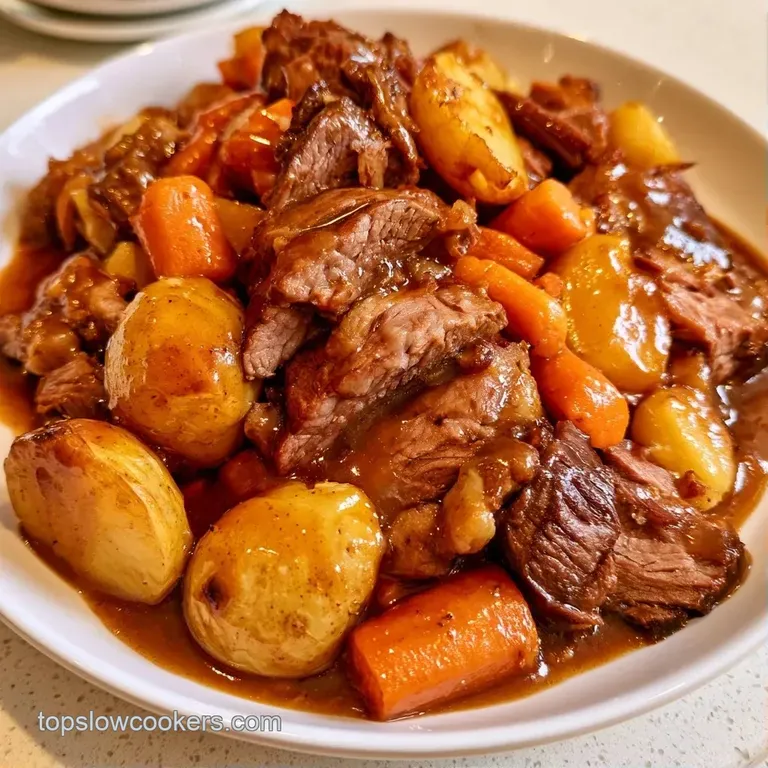
If your meat feels rubbery, it's usually because it hasn't hit the temperature where the connective tissue breaks down. It's a weird thing with chuck roast; it stays tough for hours and then suddenly becomes tender in a very short window.
When the gravy comes out too thin, it usually means the roux didn't cook long enough or you didn't simmer the final sauce. You can always thicken it further by simmering it for another few minutes on the stove.
If the sauce tastes too salty, it's likely from the beef broth reducing over eight hours. A splash of water or a squeeze of lemon juice can balance it out.
| Problem | Root Cause | Solution |
|---|---|---|
| Rubbery Beef | Not enough cooking time | Simmer for another 60 mins |
| Thin Gravy | Roux not fully cooked | Simmer sauce longer on medium heat |
| Overly Salty | Broth reduction | Add a splash of water or unsalted stock |
Customizing Your Roast
You can easily customize the taste of this Chuck Roast With Brown Gravy by adjusting the herbs. I occasionally substitute thyme with rosemary to achieve a more woody, wintery aroma. If you're looking for a heartier meal, feel free to add some potatoes and carrots for more substance.
To elevate the flavor, trade one cup of beef broth for a dry red wine, such as Cabernet. This introduces a bright note that balances the heavy flavors of the beef. If you are avoiding dairy, simply replace the butter in the gravy with a bit of the beef fat skimmed from the surface of the pot.
I also recommend stirring in a tablespoon of tomato paste while sautéing. It won't make the dish taste like tomato sauce, but it will give the gravy a much deeper, darker brown hue.
Storage and Scraps
Store the leftover beef and vegetables in a sealed container in the fridge. It stays good for about 3 days. I find the flavor actually improves the next day as the meat continues to soak up the sauce.
For the freezer, let the roast cool completely. Place the beef and gravy in a heavy duty freezer bag and squeeze out all the air. It lasts for 3 months. When you reheat it, do it slowly on the stove with a splash of water to keep the meat from drying out.
Don't toss the leftover braising liquid if you have some left over. It's basically a concentrated beef stock. I use it to flavor a quick pan sauce for steaks or stir it into a beef stew.
Pairing Your Meal
To balance the richness of this meal, pair it with something light. Fresh steamed green beans or a tangy garden salad tossed in lemon vinaigrette are perfect choices. For a more classic pairing, a Southern style roast approach with buttery mashed potatoes is an excellent option.
I also enjoy plating this over wide egg noodles. They soak up the savory brown gravy, making each bite feel heartier. If you have children who dislike carrots, try mashing the cooked carrots directly into the sauce for a hidden nutritional boost.
Steer clear of adding other dense starches like macaroni and cheese. Since the potatoes in the pot provide plenty of sustenance, you only need one main carbohydrate on the plate.
Why This Method Works
The key is the slow breakdown of collagen. By keeping the heat low, the tough connective tissues turn into gelatin, which creates that melt in-your mouth feel.
The Roux: Mixing fat and flour creates a stable base that prevents the gravy from separating. This is what gives the sauce its glossy, thick texture.
Searing: Browning the meat creates new flavor compounds that can't be made by boiling. This ensures the beef tastes roasted rather than just stewed.
Scaling the Roast
If you're cooking for a smaller crowd and using half the meat, don't cut the liquid by half. Use about 75% of the broth; otherwise, the liquid will evaporate too quickly in the slow cooker. Reduce the cook time by about 20% since a smaller roast reaches temperature faster.
When doubling the recipe for a party, don't double the salt or thyme. Start with 1.5x the spices and taste at the end. You'll likely need to sear the meat in batches so you don't crowd the pan, which would cause the beef to steam instead of brown.
Common Myths
Searing meat does not "seal in the juices." It's a common belief, but moisture loss happens regardless of the sear. The browning is purely for flavor.
Using a "high" setting on a slow cooker doesn't just save time; it can actually make the meat tougher. For a Chuck Roast With Brown Gravy, the low and slow approach is always better for the texture.
Right then, you're all set. Just remember to pat that meat dry before it hits the pan, and you'll have a roast that actually lives up to the hype.
High in Sodium
1040 mg 1040 mg of sodium per serving (45% 45% of daily value)
The American Heart Association recommends a daily sodium limit of 2,300 mg for most adults to maintain heart health.
Tips to Reduce Sodium
-
Upgrade Your Broth-30%
Replace the low-sodium beef broth with homemade unsalted beef stock or water mixed with a splash of soy-free coconut aminos.
-
Eliminate Added Salt-25%
Completely omit the 1 tsp of salt; the natural flavors from the beef and aromatics are sufficient.
-
Swap the Sauce-20%
Substitute the Worcestershire sauce with apple cider vinegar and a pinch of smoked paprika for a similar tangy depth.
-
Boost Savory Herbs
Increase the dried thyme or add fresh rosemary and bay leaves to enhance the flavor profile without adding sodium.
Recipe FAQs
How do you cook chuck roast with gravy?
Sear the beef, slow cook it with vegetables and broth, and thicken the remaining liquid into a roux-based sauce.
Tip: Pat the meat completely dry before searing to ensure a deep mahogany crust.
Which liquid works best for this cut?
Low sodium beef broth provides the most savory base for a rich gravy.
Tip: If you like these savory braises, see how we use a similar slow cooking approach in our beef mechado.
What common errors lead to tough meat?
Cooking at too high a temperature or for too short a time prevents the connective tissue from breaking down.
Tip: Let the roast cook on Low for a full 8 hours for maximum tenderness.
What is the best way to thicken the sauce?
Create a roux using equal parts butter and flour before whisking in the braising liquid.
Tip: Cook the roux for 2 minutes until it reaches a light nutty brown color.
How to make gravy from the pot roast liquid?
Strain one cup of braising liquid and stir it into a simmered butter-flour mixture.
Tip: Whisk in onion powder at the end for a more professional flavor profile.
Is it true that searing the meat is unnecessary for flavor?
This one's false: Searing for 5-7 minutes per side creates a mahogany crust that defines the final taste.
Tip: Use a Dutch oven over medium-high heat until the oil is shimmering.
Do vegetables always turn to mush in a slow cooker?
Not true. Cutting carrots into 2-inch chunks helps them maintain their shape during the 8-hour cook.
Tip: Arrange the potatoes and carrots around the sides of the roast rather than on top.
Chuck Roast With Brown Gravy with Potatoes