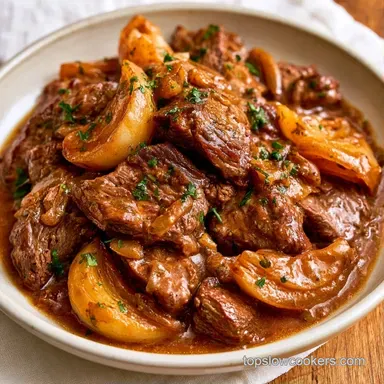
Copycat Culvers Pot Roast Dinner with Beef Chuck
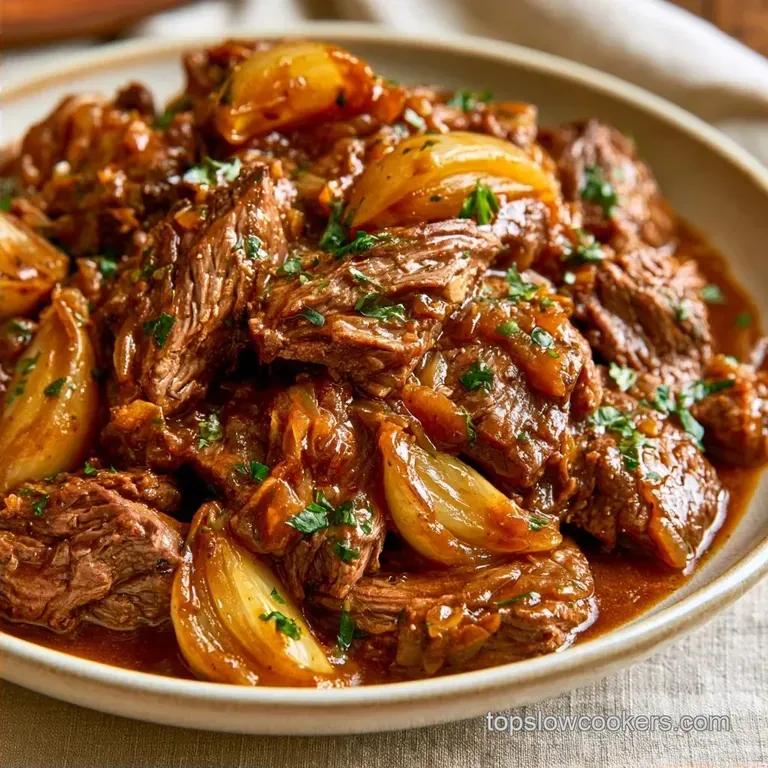
- Time: 35 min active + 8 hours 30 mins cooking + 3 min rest
- Flavor & Texture: Savory, tender beef with a thick, glossy gravy
- Perfect for: Family Sunday dinner or meal prep
Culvers Pot Roast Dinner
Most home pot roasts end up as gray, stringy slabs of beef that feel dry in the mouth. You spend all day waiting, only to get a meal that tastes like salty water and looks pale. It usually happens because the meat wasn't dried properly or the heat was too high, toughening the fibers.
This approach fixes that by focusing on the sear and the slow breakdown of connective tissue. You get a roast that is deep mahogany on the outside and falls apart in large, juicy strands.
It's a hearty meal that brings that specific Culvers Pot Roast Dinner comfort to your own kitchen. The combination of root vegetables and a rich, butter-based gravy makes it feel like a proper feast.
Ingredient Roles
For the beef, the chuck roast is a necessity. It has the fat and collagen needed to survive eight hours of heat. If you use a leaner cut, it will turn into sawdust. The mix of thyme and rosemary adds a woody, earthy base that cuts through the richness of the beef.
The mirepoix (onion, carrots, celery) isn't just for eating, it creates a flavor bed for the meat to sit on. For the gravy, the reserved cooking liquid is a goldmine of flavor. Using butter and flour for the roux ensures the sauce is thick and glossy.
The Yukon Gold potatoes are the best choice here. They have a natural buttery flavor and hold their shape better than Russets, though they still mash into a smooth consistency.
The Shopping List
For the Beef and Braise
- 1360 g (3 lb) beef chuck roast, trimmed of large fat pieces
- 9 g (1.5 tsp) kosher salt Why this? Coarse grains penetrate the meat better
- 2 g (1 tsp) ground black pepper
- 3 g (1 tsp) garlic powder
- 2 g (1 tsp) dried thyme
- 1 g (0.5 tsp) dried rosemary
- 30 ml (2 tbsp) neutral oil, such as vegetable or canola
- 220 g (1 large) yellow onion, cut into thick wedges
- 130 g (4 medium) carrots, cut into 2 inch pieces
- 100 g (3 celery stalks), cut into 2 inch pieces
- 12 g (4 cloves) garlic, smashed
- 480 ml (2 cups) low-sodium beef broth
- 1 bay leaf
For the Gravy
- 43 g (3 tbsp) unsalted butter
- 24 g (3 tbsp) all-purpose flour
- 480 ml (2 cups) reserved cooking liquid, defatted
For the Mashed Potatoes
- 2 lb (900 g) Yukon Gold potatoes (about 5 medium), peeled and quartered
- 57 g (4 tbsp) unsalted butter
- 120 ml (0.5 cup) whole milk, warmed
- 3 g (0.5 tsp) kosher salt
| Original Ingredient | Substitute | Why It Works |
|---|---|---|
| Beef Chuck Roast | Beef Bottom Round | Leaner cut. Note: May be tougher, needs more liquid |
| Yukon Gold Potatoes | Russet Potatoes | Starchier. Note: Fluffier but less buttery taste |
| Beef Broth | Beef Base + Water | Concentrated flavor. Note: Watch the salt levels |
The Cooking Process
Phase 1: Prep the Roast
- Thoroughly pat the chuck roast dry with paper towels. Note: Dry meat browns, wet meat steams
- Mix 9 g kosher salt, 2 g black pepper, 3 g garlic powder, 2 g thyme, and 1 g rosemary. Rub this seasoning blend over all sides of the meat.
- Arrange the onion, carrots, celery, and smashed garlic at the bottom of a 6 quart slow cooker.
Phase 2: Sear for Color
- Heat 30 ml oil in a 12 inch skillet over medium-high heat until it shimmers. Brown the roast for 3 to 4 minutes per side, until each side is deep mahogany and releases easily from the pan. If it sticks, wait another 30 seconds.
- Place the roast in the slow cooker on top of the vegetables. Pour the 480 ml beef broth into the skillet, deglaze by scraping the browned bits with a wooden spoon, and transfer the liquid to the slow cooker. Add the bay leaf.
Phase 3: Slow Cook
- Let the roast braise on the LOW setting for 8 hours. Do not lift the lid. The roast is done when a fork slides into the thickest part with almost no resistance, the meat pulls apart in large strands, and the internal temperature is at least 63°C (145°F). If it still resists a fork after 8 hours, continue cooking on LOW for another 30 to 60 minutes.
- Move the roast to a cutting board and let it rest for 3 minutes before slicing or shredding.
Phase 4: Build the Gravy
- Pour the cooking liquid through a fine mesh strainer into a measuring cup and skim off the surface fat. Reserve 480 ml for the gravy.
- Melt 43 g butter in a medium saucepan over medium heat. Whisk in 24 g flour and cook for 1 minute, until it smells toasty and nutty.
- Slowly whisk in the 480 ml of strained liquid. Simmer for 3 to 4 minutes, whisking, until the gravy coats the back of a spoon.
Phase 5: Mash the Potatoes
- Put the potatoes in salted water and boil for 15 to 20 minutes, until a knife slides through with no resistance.
- Drain the potatoes thoroughly and return them to the hot pot for 1 minute to steam off excess moisture.
- Mash the potatoes with 57 g butter, warmed milk, and 3 g kosher salt until smooth.
- Slice or shred the beef and serve it with a mound of mashed potatoes and the slow-cooked carrots, pouring the hot gravy over the meat and potatoes.
Why the Texture Works
- Chuck Collagen: Long, low heat converts tough connective tissue into gelatin, which makes the meat feel silky.
- The Initial Sear: High heat creates a crust that provides deep, savory notes a slow cooker cannot make on its own.
- Closed Lid Braising: Keeping the lid shut traps steam and maintains a steady temperature, preventing the meat from drying out.
Fixing Common Issues
Skipping the Sear
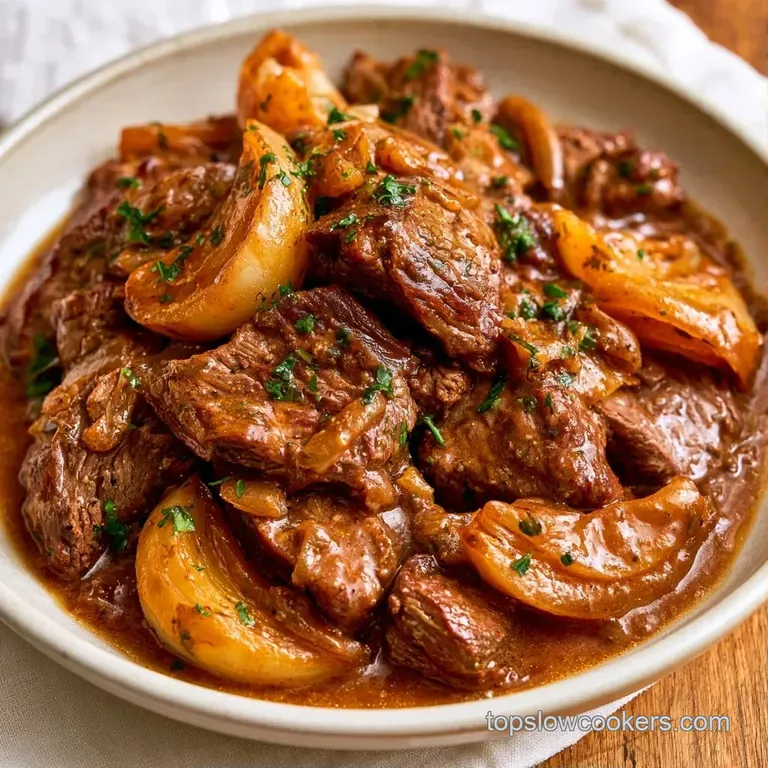
Adding the meat raw results in pale beef and a washed-out gravy. The browning process creates a rich complexity that the slow cooker cannot achieve on its own. Be sure to sear the meat until it is a deep mahogany color.
Lifting the Lid
Opening the lid causes a significant loss of heat and moisture. This may increase the cooking time by an hour or more and leave the meat tougher than desired. Rely on the timer and keep the lid shut.
Lumpy Gravy
Lumps occur when the liquid is added too quickly or the roux isn't cooked sufficiently. To remedy this, whisk vigorously over medium heat or pass the completed gravy through a fine mesh strainer.
Scaling the Recipe
| Ingredient | Half batch | Double batch |
|---|---|---|
| Beef chuck roast, trimmed of large fat pieces | 1.5 lb | 6 lb |
| Kosher salt | 0.75 tsp | 3 tsp |
| Ground black pepper | 0.5 tsp | 2 tsp |
| Garlic powder | 0.5 tsp | 2 tsp |
| Dried thyme | 0.5 tsp | 2 tsp |
| Dried rosemary | 0.25 tsp | 1 tsp |
| Neutral oil, such as vegetable or canola | 1 tbsp | 4 tbsp |
| Large yellow onion , cut into thick wedges | 0.5 | 2 |
| Medium carrots , cut into 2-inch pieces | 2 | 8 |
| Celery stalks , cut into 2-inch pieces | 1.5 | 6 |
| Cloves garlic , smashed | 2 | 8 |
| Low-sodium beef broth | 1 cups | 4 cups |
| Bay leaf | 0.5 | 2 |
| Unsalted butter | 1.5 tbsp | 6 tbsp |
| All-purpose flour | 1.5 tbsp | 6 tbsp |
| Reserved cooking liquid from the slow cooker, defatted | 1 cups | 4 cups |
| Yukon Gold potatoes , peeled and quartered | 1 lb | 4 lb |
| Unsalted butter | 2 tbsp | 8 tbsp |
| Whole milk, warmed | 0.25 cup | 1 cup |
| Kosher salt | 0.25 tsp | 1 tsp |
Changing the quantity does not automatically multiply the time; follow the original preparation stages and their readiness cues.
If you need to adjust the portions for a smaller or larger crowd, follow these measurements. For 3 servings (Half Batch) For 12 servings (Double Batch) Note that cooking time depends on the thickness of the meat. Use the fork test and a thermometer to ensure it hits 63°C (145°F).
Storage and Leftovers
Keep the beef and gravy together in a sealed glass dish in the fridge for 4 days. The sauce will thicken as it chills, so just stir in a splash of beef broth when you reheat it to loosen things up.
When reheating cooked leftovers, check with a food thermometer that the centre reaches 165°F (74°C); the appliance temperature and time alone do not confirm this.
You can freeze the beef in its gravy for up to 3 months. Thaw it overnight in the refrigerator before warming it up. To reheat on the stove, use a covered skillet over medium-low heat with 30 to 45 ml of broth for 10 to 15 minutes. Heat until the center of the beef reaches 165°F (74°C).
If using a microwave, go in 90 second bursts and stir in between. Heat until the center of the beef reaches 165°F (74°C).
For the potatoes, reheat them with a small pat of butter and a splash of warm milk to bring back that smooth consistency. Making a big batch on Sunday makes it easy to have a quick Culvers Pot Roast Dinner during the week.
Make It Your Own
If you want a different flavor profile, try adding a tablespoon of Worcestershire sauce or a teaspoon of Dijon mustard to the beef broth before pouring it into the pot. For a different twist, you could try a French Onion Pot Roast recipe which leans into a sweeter, caramelized onion base.
For a more earthy side, swap the carrots for parsnips or rutabaga. If you prefer a different sauce, check out this Chuck Roast with Mushroom Gravy for a more forest inspired flavor.
To make the gravy gluten-free, swap the all-purpose flour for a 1:1 gluten-free flour blend or use a cornstarch slurry (mix equal parts cornstarch and cold water) added at the end of the simmering process. For this gluten-free version, also use products labelled gluten-free for the broth or stock.
Serving Suggestions
To serve this as a traditional plated meal, start by placing a large scoop of mashed potatoes in the middle of the dish. Lean a few hearty slices of beef and some carrots against the potato mound, then drizzle hot gravy over the top.
For a more laid-back option, create an open-faced sandwich. Toast a thick piece of sourdough, top it with shredded beef and carrots, and pour on plenty of gravy. This is a perfect way to enjoy the remaining roast.
High in Sodium
870 mg of sodium per serving (38% DV)
According to the American Heart Association, most healthy adults should limit their daily sodium intake to 2,300 mg or less.
Tips to Reduce Sodium
-
Reduce Added Salt
Cut back on or completely remove the kosher salt when seasoning the roast beef and making the mashed potatoes.
-
Upgrade the Broth
Replace the low-sodium beef broth with an unsalted stock or a mix of water and a touch of tomato paste for a rich flavor.
-
Salt-Free Potato Flavor
Skip the salt in the potatoes; use roasted garlic, fresh chives, or a bit of lemon juice to add flavor instead.
-
Amplify the Herbs
Use more dried thyme and rosemary, or switch to fresh herbs, to create a savory taste without needing extra salt.
-
Increase Aromatics
Double the diced onions and smashed garlic to provide bold, natural aromatics that make up for the reduction in salt.
Recipe FAQs
How to tell when the pot roast is finished?
Insert a fork into the thickest part of the meat. It is ready when the fork slides in with almost no resistance and the internal temperature reaches at least 145°F (63°C).
Can I use a leaner cut of beef?
Chuck roast is recommended; bottom round is leaner and less forgiving, so the result may be tougher. This cut contains the necessary fat and connective tissue to stay moist during the long 8-hour slow cook.
Why sear the roast before slow cooking?
It creates a deep mahogany crust. Searing the meat in a skillet for 3 to 4 minutes per side enhances the rich, savory flavor of the beef and gravy.
Where to keep the leftovers?
Keep the beef and gravy together in a sealed glass dish in the refrigerator. This allows the meal to stay fresh for 4 days.
Is it possible to use a pressure cooker?
Yes, though the timing differs. This alternative method significantly reduces the cooking time compared to the 8-hour slow cooker process.
What should I do if the meat remains tough?
Cook on LOW for another 30 to 60 minutes. Continue heating until the beef pulls apart in large strands with almost no resistance.
Culvers Pot Roast Dinner for 6 Servings