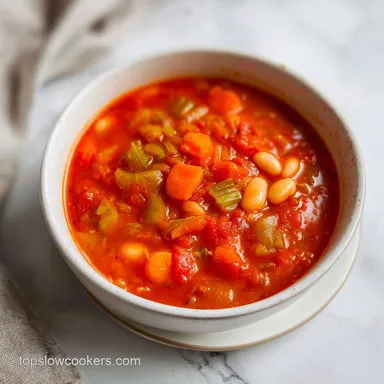
Easy Minestrone Soup Recipe: Hearty and Savory
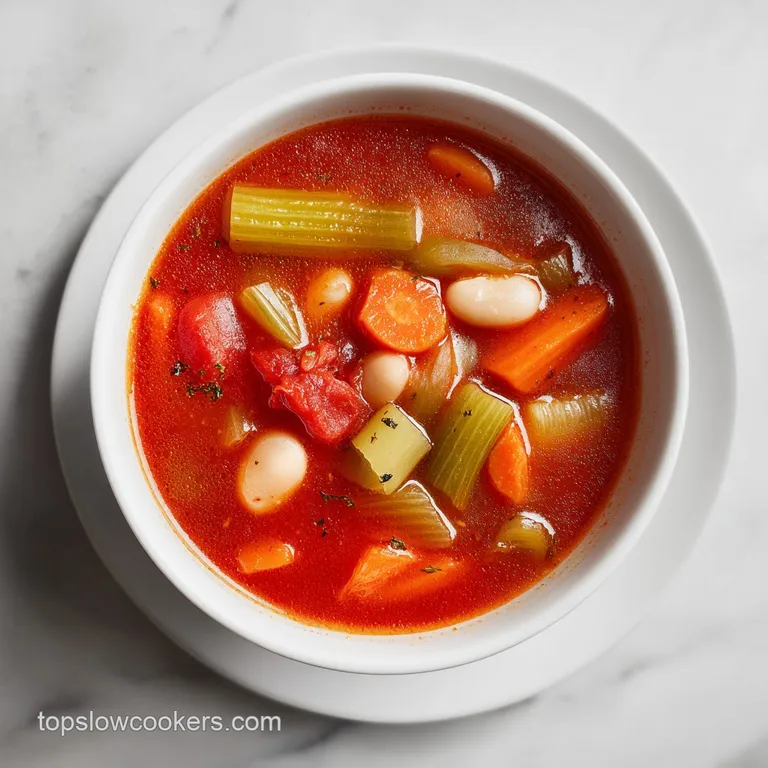
- Time: 15 min active + 25 min cook = Total 40 min
- Flavor/Texture Hook: Savory broth with tender vegetables and al dente pasta
- Perfect for: A cozy weeknight dinner or healthy meal prep
- Memories of a Hearty Simmering Pot
- Secrets Behind the Savory Flavor
- Quick Look at the Details
- Breaking Down the Component Parts
- Simple Tools for This Soup
- Putting the Pot Together
- Fixing Common Soup Mishaps
- Twists on the Traditional Base
- Adjusting the Pot Size
- Debunking Soup Myths
- Storage and Zero Waste Tips
- The Best Sides for Soup
- Recipe FAQs
- 📝 Recipe Card
Memories of a Hearty Simmering Pot
The sound of a heavy pot hitting the burner and the first sizzle of olive oil is where the magic starts. I remember the first time I tried to make a "traditional" soup, thinking that more time always meant more flavor. I let it simmer for four hours, convinced that's how the pros did it.
When I finally dipped my spoon in, I didn't find a chunky, rustic meal, I found a pale, lukewarm vegetable puree. The carrots had dissolved, the pasta was a soggy paste, and the spinach was practically invisible. It was a total disaster.
That failure taught me that a truly great minestrone soup recipe isn't about how long you cook it, but when you add the ingredients. You don't need to spend an entire afternoon hovering over a stove to get that deep, savory taste. The secret is in the stages.
By treating the vegetables differently based on their density, you get a bowl where every bite has a bit of resistance and a burst of flavor.
This approach transforms the process into something manageable for a busy Tuesday night. We're aiming for a result that feels like it came from a slow simmering pot in a Tuscan kitchen, but we're doing it in under an hour.
It's about working with the ingredients, not against them, to ensure the potatoes stay intact and the zucchini doesn't turn to mush. This minestrone soup recipe is designed for the home cook who wants the heartiness of a traditional stew without the tedious wait.
Secrets Behind the Savory Flavor
Trust me on this, the "magic" isn't in a secret ingredient, it's in the way the components interact. Most people just throw everything in a pot and hope for the best, but that's how you end up with a flat tasting broth. To get a rich profile, you have to build layers.
The Soffritto Base: Sautéing the onion, carrot, and celery first creates a concentrated aromatic foundation. This process, often called a soffritto in Italian cooking, allows the sugars in the vegetables to brown slightly, adding a depth that raw boiling just can't match. According to Serious Eats, this initial sauté is critical for developing the savory "umami" base of any great soup.
Starch Management: The gold potatoes release a small amount of starch into the broth as they simmer. This doesn't make the soup "creamy", but it gives the liquid a velvety body that clings to the pasta and beans. If you love the way potatoes naturally thicken a broth, you'll love my Easy Baked Potato Soup recipe, which uses a similar starch binding method for a thicker feel.
Acid Brightening: A common mistake is forgetting the acid at the end. The lemon juice doesn't make the soup taste like lemons, it just "wakes up" all the other flavors. It cuts through the heaviness of the beans and potatoes, making the savory notes pop.
Timed Integration: By adding the pasta and zucchini in the final ten minutes, we ensure they maintain their shape. The pasta cooks in the broth, absorbing the savory flavors instead of just being boiled in water.
| Method | Total Time | Texture | Best For |
|---|---|---|---|
| Fast Stage Cooking | 40 mins | Distinct, tender chunks | Weeknights, fresh taste |
| Classic Slow Simmer | 3-4 hours | Soft, blended, thick | Deep winter, leftovers |
Quick Look at the Details
When you're staring at a pile of chopped vegetables, it's easy to feel overwhelmed. But this minestrone soup recipe is actually quite streamlined. We're using minimal tools - just one large pot and a knife - to keep the cleanup fast.
The goal here is a hearty, rustic consistency where the vegetables are tender but still hold their own.
The beauty of this dish is its flexibility. While I've provided exact measurements for a consistent result, it's essentially a "clear out-the fridge" meal. The proportions are balanced to ensure the broth doesn't become too thin or overly salty.
We're focusing on a savory, vegetable forward profile that feels substantial enough to be a main course.
Keep in mind that the timing is the most critical part of this minestrone soup recipe. If you add the spinach too early, it will vanish. If you add the potatoes too late, they'll be crunchy. Follow the checkpoints, and you'll get that perfect, hearty balance every time.
Breaking Down the Component Parts
Every ingredient in this pot has a specific job. We aren't just adding things for the sake of variety, we're building a flavor profile. The cannellini beans provide the bulk and a smooth texture that contrasts with the bite of the pasta.
| Ingredient | Science Role | Pro Secret |
|---|---|---|
| Gold Potatoes | Natural Thickener | Use gold, not russet, so they don't fall apart |
| Lemon Juice | Flavor Catalyst | Add at the very end to keep the brightness |
| Cannellini Beans | Protein & Body | Rinse thoroughly to remove the "tinny" taste |
| Sautéed Aromatics | Base Flavor | Cook until translucent for maximum sweetness |
The Hearty Body
The vegetables are the stars here. I always recommend gold potatoes because they hold their shape much better than russets during a simmer. The zucchini is added late because it's mostly water and can overcook in seconds. This keeps the colors vibrant and the texture satisfying.
The Aromatic Base
Garlic and oregano are the bridge between the fresh vegetables and the broth. I only cook the garlic for 60 seconds. If you brown garlic too much, it turns bitter, which would ruin the delicate balance of this minestrone soup recipe. The oregano adds an earthy, herbal note that ties the tomatoes and broth together.
Simple Tools for This Soup
You don't need a fancy kitchen to make a great meal. For this recipe, the focus is on efficiency. A large Dutch oven or a heavy bottomed stockpot is your best friend here. The thick bottom prevents the vegetables from scorching during the initial sauté and distributes the heat evenly during the simmer.
A sharp chef's knife and a stable cutting board are the only other essentials. Since there's a fair amount of chopping involved, taking your time with the prep makes the actual cooking process a breeze. If you have a vegetable peeler for the potatoes and carrots, that's a plus, but not strictly necessary.
I've found that using a slotted spoon for stirring helps prevent the softer vegetables from getting crushed against the side of the pot. It's a small detail, but it helps maintain those distinct, tender chunks that make this minestrone soup recipe so satisfying.
Putting the Pot Together
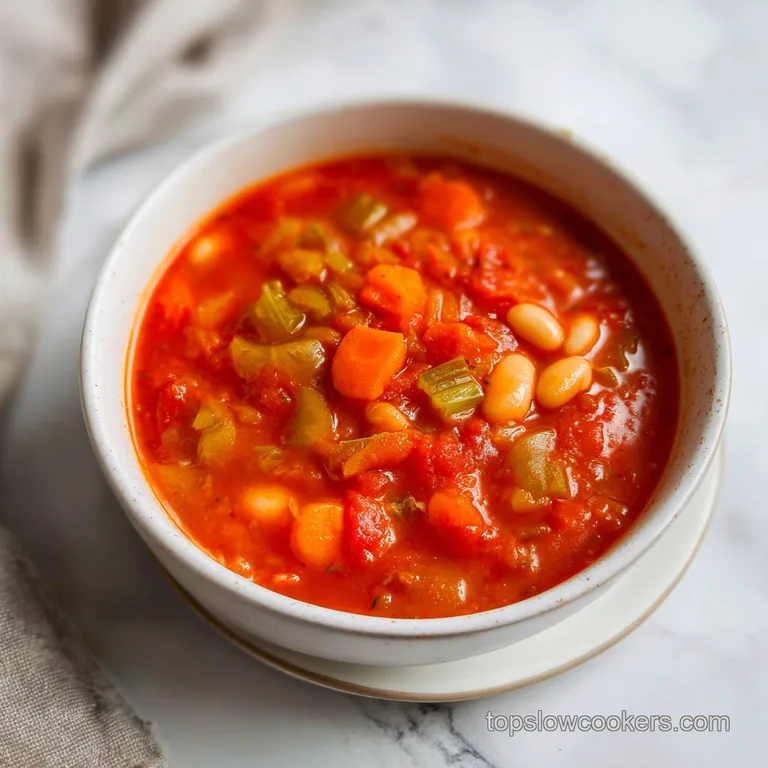
Right then, let's get into the actual cooking. The key here is not to rush the sauté phase. That's where the savory foundation is built.
- Heat the olive oil over medium heat in your pot. Add the onion, carrots, and celery. Sauté for 5-7 minutes until the onions are translucent and the carrots begin to soften. Note: This creates the aromatic base.
- Stir in the garlic and oregano. Cook for just 60 seconds until the fragrance is pungent and aromatic. Note: Do not let the garlic brown.
- Pour in the diced tomatoes and vegetable broth. Add the cubed potatoes and salt. Bring the liquid to a rolling boil, then reduce heat to low. Cover and simmer for 12-15 minutes until the potatoes are fork tender.
- Stir in the zucchini, cannellini beans, and pasta. Simmer uncovered for another 8-10 minutes until the pasta is al dente. Note: Keep it uncovered to allow the broth to thicken slightly.
- Fold in the spinach and parsley, allowing the residual heat to wilt the greens. Stir in the lemon juice just before serving.
Chef's Note: If you're using a different type of pasta, check the package timing. Small ditalini or shells work best for this minestrone soup recipe.
Fixing Common Soup Mishaps
Even with a simple plan, things can go sideways. Usually, it comes down to heat management or timing. The most common issue I see is the "stew effect", where the soup becomes too thick to be a soup and more like a porridge.
Reasons Your Soup Is Too Thick
This usually happens because the pasta continues to absorb liquid even after you've turned off the heat. Pasta is like a sponge, and in a minestrone soup recipe, it can drink up your broth if it sits too long. If this happens, don't panic. Just stir in a splash of warm vegetable broth or water to loosen it back up.
Causes for Mushy Pasta
If your pasta is overcooked, it's likely because it sat in the boiling broth too long. To avoid this, always aim for "al dente" (with a slight bite). Remember that the pasta will continue to cook for a few minutes in the hot bowl.
For those who plan on having leftovers, I actually recommend cooking the pasta separately and adding it to each bowl individually.
Dealing with Flat Flavor
If the soup tastes "okay" but not "wow", you're likely missing acid or salt. Salt enhances the existing flavors, but acid (like our lemon juice) creates contrast. If the flavor feels dull, add another squeeze of lemon or a teaspoon of apple cider vinegar.
| Problem | Root Cause | Solution |
|---|---|---|
| Soup is too thick | Pasta absorbed too much liquid | Stir in 1/2 cup warm broth |
| Mushy vegetables | Overcooked during simmer | Reduce simmer time by 2 mins |
| Bland taste | Lack of salt or acid | Add more lemon juice or salt |
Common Mistakes Checklist
- ✓ Adding garlic too early (results in bitterness)
- ✓ Overcooking the zucchini (results in mush)
- ✓ Forgetting to rinse the canned beans (results in metallic taste)
- ✓ Boiling the spinach (results in grey, limp greens)
- ✓ Skipping the final acid hit (results in flat flavor)
Twists on the Traditional Base
One of the best things about a minestrone soup recipe is that it's a canvas. You can shift the flavor profile based on what you have in the pantry. If you want something a bit more decadent, you can stir in a tablespoon of pesto at the very end for a burst of basil and parmesan.
For those who want a meatier, heartier base, I often use a scoop of my Slow Cooker Turkey Pasta Sauce as a rich starter for the broth. This adds a savory depth and a bit of protein that makes the dish feel like a full blown roast dinner in a bowl.
If you're looking for a vegetarian minestrone soup recipe but want more "oomph", try adding a pinch of smoked paprika or a dash of soy sauce to the broth. It provides a faux meaty depth without adding any animal products.
You can also swap the pasta for pearl barley or farro if you want a nuttier, chewier texture, though you'll need to increase the simmer time for those grains.
| Original Ingredient | Substitute | Why It Works |
|---|---|---|
| Pasta (1/2 cup) | Quinoa or Brown Rice | gluten-free alternative. Note: Add rice earlier as it takes longer to cook |
| Baby Spinach | Kale or Swiss Chard | Heartier greens. Note: Add 5 mins earlier as they take longer to wilt |
| Vegetable Broth | Chicken or Beef Broth | Richer, meatier flavor. Note: Adjust salt as these are often saltier |
| Gold Potatoes | Parsnips or Turnips | Earthier, lower carb option. Note: Slightly different sweetness |
Decision Shortcut for Customizing
- If you want it heartier: Add extra cannellini beans or a handful of diced pancetta.
- If you want it lighter: Swap the potatoes for extra zucchini or cauliflower.
- If you want more tang: Increase the lemon juice or add a teaspoon of capers.
Adjusting the Pot Size
Scaling a minestrone soup recipe is generally straightforward, but you can't just double everything blindly. When you're increasing the volume, the way liquids evaporate changes. In a larger pot, you have more surface area, but the ratio of liquid to solids can get wonky.
Scaling Down (Half Batch): If you're just cooking for two, use a smaller pot to prevent the broth from evaporating too quickly. Reduce the total cook time by about 20%, as a smaller volume of liquid reaches a boil faster.
If the recipe calls for a half egg or a small amount of a thickener, beat it in a cup first and then pour in half.
Scaling Up (Double or Triple Batch): When doubling, don't double the salt and spices immediately. Start with 1.5x the amount and taste as you go. Liquids usually don't need to be doubled exactly; you can often reduce the broth by about 10% because there's less proportional evaporation in a huge pot.
Work in batches when sautéing the aromatics so you don't crowd the pan, which would cause the vegetables to steam instead of brown.
Debunking Soup Myths
There are a few things people tell you about soup that just aren't true. First, there's the idea that you must sear the vegetables to "lock in the nutrients". This is a total myth. Searing is for flavor, not nutrition. Whether you sauté or boil, the nutrients are still there, they just taste different.
Another common misconception is that you need a specific, expensive brand of Italian canned beans to make an authentic minestrone soup recipe. Honestly, any decent cannellini or cannelloni bean works perfectly. The key is rinsing them well to get rid of the canning liquid, which can be overly salty or metallic.
Finally,, some people swear that you have to add a "cheese rind" to the broth for it to be traditional. While a parmesan rind does add a lovely salty, nutty depth, it's not mandatory. The combination of sautéed aromatics and a hit of lemon juice provides plenty of complexity on its own.
Storage and Zero Waste Tips
A great minestrone soup recipe is a meal prep dream. It actually tastes better the next day once the flavors have had a chance to mingle in the fridge. However, the pasta is the wildcard. If you store the soup with the pasta inside, the pasta will continue to absorb liquid until the soup becomes a thick stew.
Storage Guidelines: Store the soup in airtight containers in the fridge for up to 4 days. If you're planning to keep it longer, I highly recommend freezing the soup without the pasta. Just freeze the vegetable and broth base for up to 3 months.
When you're ready to eat, reheat the base and stir in fresh, cooked pasta.
Zero Waste Kitchen: Don't toss those vegetable scraps! I keep a "scrap bag" in my freezer where I put onion skins, carrot ends, and celery leaves. Once the bag is full, I simmer them in water for two hours to make a homemade vegetable broth.
Using this homemade stock in your minestrone soup recipe adds an incredible layer of depth that store-bought broth just can't touch.
Also, if you have leftover spinach or parsley that's starting to wilt, chop them up and freeze them in ice cube trays with a bit of olive oil. You can drop one of these "flavor cubes" directly into the pot next time you start your sauté.
The Best Sides for Soup
While this minestrone soup recipe is hearty enough to stand alone, a few side additions can turn it into a full blown feast. Since the soup is savory and slightly acidic, you want sides that provide a contrast in texture.
A thick slice of toasted sourdough rubbed with a raw garlic clove is the gold standard. The crunch of the toast and the sharpness of the garlic complement the tender vegetables perfectly. If you're feeling fancy, a small side of marinated olives or a simple arugula salad with a balsamic glaze works wonders.
For those who want something even more filling, a grilled cheese sandwich using a sharp provolone or mozzarella is a fantastic pairing. The melted cheese provides a richness that balances the light, vegetable heavy nature of the soup. Just keep the toast crispy so it doesn't get lost in the heartiness of the meal.
Recipe FAQs
What are the ingredients of minestrone soup?
Fresh vegetables, beans, and pasta. This recipe uses yellow onion, carrots, celery, garlic, diced tomatoes, vegetable broth, cannellini beans, gold potatoes, zucchini, spinach, parsley, and small pasta, seasoned with olive oil, oregano, salt, pepper, and lemon juice.
What is the secret ingredient in minestrone soup?
A tablespoon of lemon juice. Adding this just before serving cuts through the richness of the broth and brightens the flavors of the vegetables.
How to make real Italian minestrone soup?
Sauté onion, carrots, and celery in olive oil over medium heat for 5-7 minutes. Stir in garlic and oregano for 60 seconds, then simmer diced tomatoes, broth, and potatoes for 12-15 minutes before adding zucchini, beans, and pasta for 8-10 minutes.
Finish by folding in spinach, parsley, and lemon juice.
Which soup is best for a diabetic patient?
Vegetable heavy soups like minestrone are a great choice. The high fiber from cannellini beans and vegetables helps manage blood glucose levels, though you can limit the pasta to reduce total carbohydrates.
Is it true that minestrone must contain meat to be authentic?
No, this is a common misconception.Traditional minestrone is often a vegetable based "big soup" designed to use whatever seasonal produce is available without requiring meat.
Can I freeze this soup for meal prep?
Yes, but freeze it without the pasta. Store the vegetable and broth base for up to 3 months, then cook fresh pasta when reheating to avoid a mushy texture.
Why did my stored soup turn into a thick stew?
The pasta absorbed the broth. Starch continues to hydrate over time, thickening the liquid; if you enjoyed balancing these hearty textures here, see how the same principle works in our white bean soup.
Hearty Minestrone Soup Recipe