Italian Lemon Pound Cake: Silky and Tangy
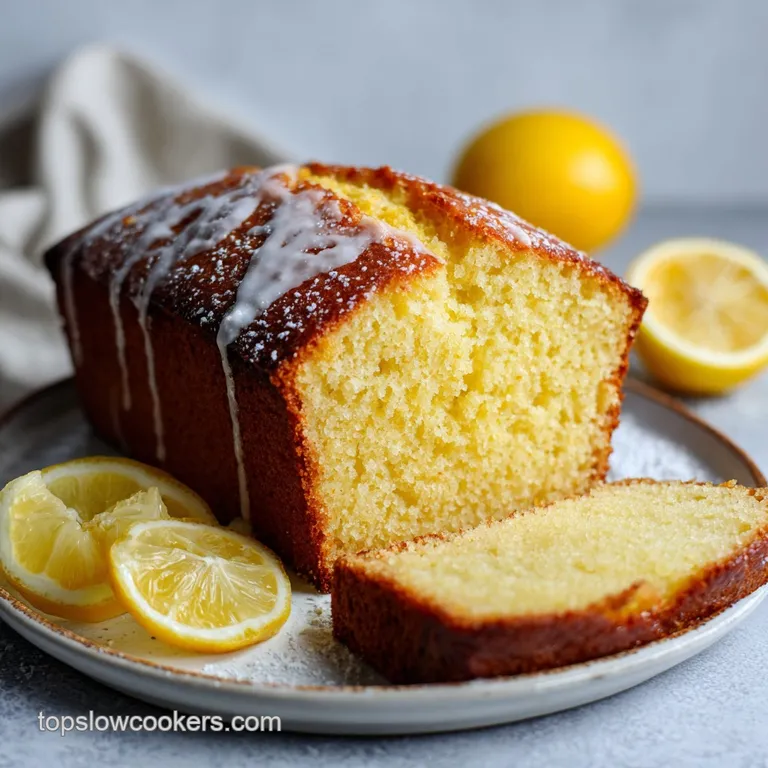
- Time: Active 20 minutes, Passive 60 minutes, Total 80 minutes
- Flavor/Texture Hook: Silky, tangy, and intensely lemony
- Perfect for: Low stress weeknight baking or effortless weekend hosting
Master The Best Italian Lemon Pound Cake Recipe
The moment you start rubbing that fresh lemon zest into the granulated sugar, your kitchen transforms. It is not just about the smell, though that bright, citrusy aroma is enough to wake up anyone in the house. It is about the physical change in the bowl.
You can actually feel the sugar turn from gritty and white to a damp, fragrant yellow sand. That is the essential first step that sets this best italian lemon pound cake recipe apart from any box mix you have ever tried.
I remember the first time I did this; I thought it was a bit fussy, but once I saw those oils saturating the sugar, I knew the flavor would be on a different level.
We often think of pound cake as something heavy or dry, something that needs a gallon of coffee just to swallow. But this version is different. It is creamy and comforting, exactly what you want on a rainy Tuesday or a busy weeknight when you need a win.
There is no fancy equipment required here beyond a standard mixer, and the steps are straightforward enough that you can do them while the kids are finishing homework. We are aiming for a cake that feels substantial but melts the second it hits your tongue.
It is the kind of bake that makes people think you spent hours in the kitchen, when really, you were just smart about how you layered your flavors.
This cake recipe is my absolute favorite because it doesn't try to be anything it isn't. It is a humble, beautiful Bundt that relies on high-quality fat and real Italian limoncello to do the heavy lifting. We are going to walk through exactly how to build that emulsion so your cake never ends up dense or rubbery.
You can expect a golden, slightly crisp exterior that gives way to a center so moist it barely needs the glaze though, trust me, you are going to want that limoncello drizzle. Let's get into the specifics of why these ingredients behave the way they do when they meet the heat of the oven.
Essential Baking Techniques
When we talk about what makes this pound cake work, it really comes down to how we handle the fat and the air. Most people rush the creaming process, but that five minute window where the butter and sugar whip together is where the magic happens.
The sugar crystals act like tiny shovels, carving little air pockets into the softened butter. If you skip this, your cake will be heavy. We want those pockets because, once the heat hits them, they expand and give us that signature lift.
It is a simple mechanical process that takes almost zero effort but yields a huge reward in texture.
The addition of sour cream is the other secret weapon for a creamy result. Unlike milk or cream, sour cream brings a thick consistency and high acidity. That acidity helps break down the gluten in the flour, ensuring the crumb stays tender rather than chewy.
It also adds a subtle tang that balances the sweetness of the sugar and the brightness of the lemon. When you combine this with the limoncello, you get a depth of flavor that feels sophisticated without being "gourmet" or overly complicated. It is just good, honest baking that works every single time.
- Oil Infusion
- Rubbing zest into sugar physically breaks the zest's cells, releasing essential oils directly into the sweetener for maximum flavor distribution.
- Emulsion Stability
- Adding eggs one at a time allows the fat in the butter to slowly accept the water in the eggs, preventing the batter from curdling.
- Gluten Control
- Sour cream’s high fat content coats flour proteins, limiting gluten development and creating a velvety, soft texture.
- Leavening Boost
- Baking soda reacts with the acidic sour cream and lemon juice to create carbon dioxide bubbles, which lighten the dense batter.
| Method | Time | Texture | Best For |
|---|---|---|---|
| Standard Bundt | 60 minutes | Crispy crust, moist core | Classic family dessert |
| Loaf Pans | 50 minutes | Even slices, very dense | Gifting or tea time |
| Individual Muffins | 25 minutes | Higher crust to crumb ratio | Quick weeknight snacks |
Using the right method depends on how much time you have and who you are feeding. I personally love the Bundt because those ridges hold onto the glaze so well, but if I'm in a rush, the muffin tins are a total lifesaver.
Just remember that the smaller the vessel, the more you need to watch that timer to prevent drying out the edges.
Component Deep Dive
The ingredients for the best italian lemon pound cake recipe are simple, but they each play a specific role in the final structure. Using unsalted butter is a big deal here because it lets you control the salt level exactly. If you use salted butter, the lemon flavor can sometimes get skewed or suppressed.
We want that citrus to be the star. Also, make sure your eggs are at room temperature. Cold eggs hitting that whipped butter will cause the fat to seize up, and you will lose all that beautiful air you just worked so hard to whip in.
| Ingredient | Science Role | Pro Secret |
|---|---|---|
| Granulated Sugar | Aeration and browning | Use extra fine sugar for a more delicate, uniform crumb structure. |
| Unsalted Butter | Structure and richness | European style butter has less water, leading to a richer, silkier cake. |
| Sour Cream | Moisture and acidity | Always use full fat; the fat is what keeps the cake tender for days. |
| Italian Limoncello | Flavor and tenderizing | The alcohol evaporates, leaving behind a concentrated, sweet citrus essence. |
If you find yourself missing an ingredient, don't panic. Baking is a science, but it's also about being practical with what you have in the pantry. You can swap things around as long as you keep the fat and moisture ratios similar.
For example, if you don't have limoncello, a splash of lemon extract and a little extra sugar can work in a pinch, though you'll lose that specific Italian flair.
| Original Ingredient | Substitute | Why It Works |
|---|---|---|
| Sour Cream (1 cup) | Greek Yogurt (full fat) | Similar acidity and fat levels. Note: Crumb may be slightly tangier. |
| Italian Limoncello | Lemon Juice + 1 tsp Sugar | Mimics the acidity and sweetness. Note: Lacks the floral depth of the liqueur. |
| All Purpose Flour | Pastry Flour | Lower protein content. Note: Produces an even more delicate, tender crumb. |
One thing I have learned is that you should never use bottled lemon juice if you can avoid it. It has a weird, metallic aftertaste that can ruin the brightness of the cake. Fresh lemons are cheap and the zest is where most of the flavor lives anyway. If you are going to make this, go all in on the fresh fruit.
It makes a world of difference in how "clean" the flavor tastes.
Essential Elements
For this recipe, you will need to gather 1.5 cups (300g) of granulated sugar and 3 tablespoons of fresh lemon zest. This is where we start the flavor building. You also need 1 cup (226g) of unsalted butter, which must be softened but not melting. If it's too oily, the air won't hold.
Grab 3 large eggs and bring them to room temperature. For the wet ingredients, have 1 cup (240g) of full fat sour cream ready, along with 2 tablespoons of Italian limoncello and 1 teaspoon of pure vanilla extract.
For the dry base, you need 3 cups (375g) of all purpose flour make sure you sift it to avoid lumps. Add 0.5 teaspoons of baking soda and 0.5 teaspoons of salt to that. For the finishing touch, the glaze requires 1.5 cups (180g) of sifted powdered sugar, 2 tablespoons of fresh lemon juice, and another 1 tablespoon of Italian limoncello.
This combination creates a thick, opaque glaze that sets beautifully on the cooled cake.
For the Citrus Sugar Base
This is the foundation of the flavor. By rubbing the 3 tablespoons of zest into the 1.5 cups of sugar, you are ensuring that every single grain is coated in lemon oil. Do not rush this; a full two minutes of rubbing makes the sugar look like damp sand.
You will see the color shift from white to a vibrant, glowing yellow.
For the Cake Batter
The batter is all about the emulsion. The 1 cup of butter and the citrus sugar get creamed together for 5 minutes. Then the 3 eggs go in one-by-one. The 3 cups of flour and the sour cream are added alternately. This prevents the flour from over mixing, which would make the cake tough.
The vanilla and 2 tablespoons of limoncello go in at the end for a final fragrant boost.
For the Limoncello Glaze
The glaze is the "crown" of the cake. Whisk the 1.5 cups of powdered sugar with the lemon juice and the remaining 1 tablespoon of limoncello. It should be thick enough to hold its shape but fluid enough to slowly crawl down the sides of the Bundt.
If it is too thin, it will just soak in; if it's too thick, it won't look as elegant.
Required Kitchen Tools
You don't need a professional kitchen to pull this off, but a few specific tools make it much easier. A 10 cup Bundt pan is the standard size for this recipe. If you use a smaller one, you'll have leftover batter, and it might overflow.
A stand mixer is my preferred way to do the 5 minute creaming step because your arms will get tired using a hand mixer, though a hand mixer certainly works if you're patient.
A fine microplane or zester is also essential. You want the zest to be very fine so it integrates into the sugar without leaving large, chewy bits in the cake. A sturdy whisk for the dry ingredients and a silicone spatula for scraping the bowl are also on my "must have" list.
I always tell my friends to invest in a decent kitchen scale, too. Measuring flour by weight (375g) is way more accurate than using a cup, which can vary depending on how tightly you pack it.
step-by-step Method
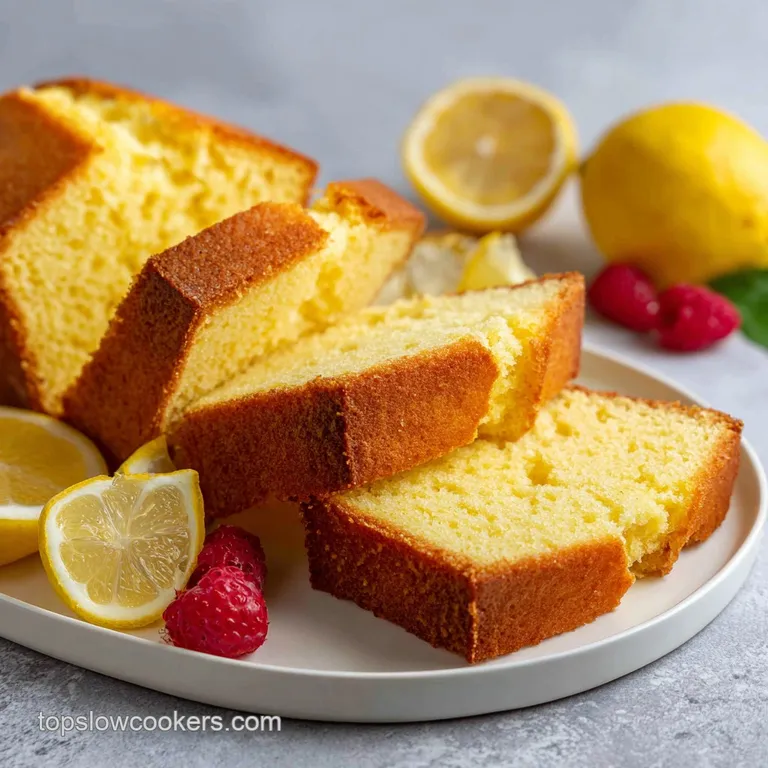
Before you start mixing, preheat your oven to 325°F (165°C). This lower temperature is key for pound cakes because it allows the center to cook through without burning the outside. Grease your 10 cup Bundt pan thoroughly.
I like to use a baking spray that contains flour, or just rub it with cold butter and a light dusting of flour. Make sure you get into every single nook and cranny of that pan, or the cake will stick.
1. Infusing the Flavor
Combine your granulated sugar and lemon zest in a large bowl. Use your fingertips to rub them together for at least 2 minutes. You are looking for a fragrance that hits you immediately and a texture like wet sand. This is the "zero fuss" way to get maximum flavor without buying expensive extracts.
2. Building the Emulsion
Add your softened butter to the lemon sugar. Turn your mixer to medium high and let it go for 5 minutes. The mixture should become pale, almost white, and look very fluffy. This is where you are building the structure.
Add the eggs one at a time, making sure each one is fully incorporated before adding the next. This prevents the batter from breaking.
3. Mixing the Batter
Whisk your flour, baking soda, and salt in a separate bowl. With the mixer on low, add about a third of the flour mixture to the butter. Then add half of the sour cream, followed by the limoncello and vanilla. Repeat this process, ending with the dry ingredients. Stir just until you see no more white streaks of flour.
Over mixing at this stage leads to a rubbery cake.
4. The Golden Bake
Pour the batter into your prepared pan and smooth the top with a spatula. Place it in the center of the oven and bake for 60 minutes. You will know it is done when the top is golden and a skewer inserted into the thickest part comes out clean.
The smell in your house at the 45 minute mark will be absolutely incredible savour that moment!
5. Finishing the Cake
Let the cake cool in the pan for about 10 minutes. This allows the structure to firm up slightly. Then, carefully invert it onto a wire rack to cool completely. While it's cooling, whisk your powdered sugar, lemon juice, and limoncello together.
Drizzle it over the cake only once it's cool to the touch, or the glaze will just melt and run off.
Solving Common Problems
Even the best bakers run into issues sometimes. One of the biggest complaints with Bundt cakes is the "dreaded stick." If your cake doesn't come out clean, it's usually because the pan wasn't greased properly or the cake was too hot when you tried to flip it.
If it does stick, don't worry you can always patch it back together with a little extra glaze. No one will ever know!
Why Your Cake Stays Dense
If your pound cake feels more like a brick than a cloud, you likely rushed the creaming step. Those 5 minutes of whipping butter and sugar are non negotiable. Another culprit could be expired baking soda.
Baking soda loses its power over time, so if yours has been in the back of the pantry for a year, it's time to replace it. Always check for that little bubble reaction when it hits the acidic ingredients.
Why Your Cake Sinks
A sunken middle usually happens because the oven door was opened too early or the cake was underbaked. Pound cakes need that full 60 minutes of consistent heat. If you pull it out while the center is still liquid, the air pockets will collapse as they cool.
Make sure your oven is actually at 325°F by using an oven thermometer many home ovens are off by 25 degrees or more.
| Problem | Root Cause | Solution |
|---|---|---|
| Greasy Texture | Butter was too soft/melted | Use butter that is cool to the touch but leaves an indent when pressed. |
| Large Holes in Crumb | Mixing on too high speed | After adding flour, use low speed or fold by hand to avoid big air bubbles. |
| Dry, Crumbly Cake | Too much flour | Measure flour by weight or use the "spoon and level" method for cups. |
If you ever find yourself with a cake that's a bit too dry, it’s not a total loss. You can transform it into something else entirely. Leftover pound cake makes for a fantastic creamy bread pudding if you cube it up and soak it in a custard. It's a great way to save a bake that didn't go quite as planned.
Common Mistakes Checklist
- ✓ Did you rub the zest into the sugar for a full 2 minutes?
- ✓ Is your butter softened but not oily or melted?
- ✓ Did you set a timer for the 5 minute creaming step?
- ✓ Are your eggs at room temperature before adding?
- ✓ Did you sift the flour to prevent "flour pockets" in the crumb?
- ✓ Did you wait 10 minutes before inverting the Bundt pan?
Recipe Scaling Tips
If you are cooking for a smaller crowd, you can easily cut this recipe in half and bake it in a standard loaf pan. Just reduce the baking time to about 45 minutes and keep a close eye on it.
When scaling down, the most important thing is to use a smaller pan so the cake still has enough depth to stay moist. A half recipe in a full sized Bundt pan will end up like a giant, dry cracker.
Scaling up is a bit trickier because you can't just double everything and put it in one pan. You would need two separate Bundt pans and you should bake them on the same rack if possible, leaving space for air to circulate. If you're feeding a big party, sometimes it's easier to make a slow cooker peach cobbler alongside it so you have variety without overloading your oven space.
- Downscaling (1/2): Use 1 large egg and 1 egg yolk. Reduce baking time by 15-20%. Use a 9x5 inch loaf pan.
- Upscaling (2x): Bake in two separate pans. Rotate the pans halfway through the 60 minutes to ensure even browning.
- Spices and Extracts: If doubling, only increase vanilla and salt by 1.5x to avoid overpowering the delicate lemon notes.
Flavor Myths Debunked
Many people believe that you have to use cake flour for a "real" pound cake. That is simply not true. All purpose flour provides the necessary structure to hold up all that butter and sour cream. Using cake flour can actually make the cake too fragile, causing it to fall apart when you try to slice it.
Stick with all purpose for that classic, sturdy yet-soft Italian texture.
Another myth is that you need to sift the sugar. While sifting the powdered sugar for the glaze is important to avoid lumps, you don't need to sift granulated sugar. The creaming process will break down any tiny clumps. Also, don't believe the lie that you can't use cold eggs.
While room temp is better, you can warm cold eggs by placing them in a bowl of warm water for 5 minutes. It’s a total life saver when you forget to take them out of the fridge!
Storage And Waste
This cake actually tastes better the second day. As it sits, the lemon oils and limoncello continue to permeate the crumb, making it even more flavorful. You can store it under a cake dome at room temperature for up to 3 days.
If you live in a very humid climate, you might want to wrap it in plastic wrap after the first day to keep the exterior from getting sticky.
For long term storage, this cake freezes beautifully. I like to slice it first, then wrap each slice in parchment paper and foil. You can pull out a single slice and thaw it on the counter for a quick afternoon treat. It will stay fresh in the freezer for up to 3 months.
To use up any "waste," save the lemon husks after zesting and juicing. You can throw them into a jar of white vinegar for a week to make a natural, citrus scented kitchen cleaner. Nothing goes to waste in a smart kitchen!
Serving Presentation Ideas
When you are ready to serve the best italian lemon pound cake recipe, keep it simple. A few fresh lemon wheels or some edible flowers on the serving platter make it look stunning with zero effort.
Because the cake is quite rich and creamy, it pairs perfectly with something light, like a dollop of unsweetened whipped cream or a handful of fresh raspberries. The tartness of the berries cuts through the sweetness of the glaze beautifully.
If you are serving this as part of a larger dessert spread, consider the textures on the table. This cake provides a dense, velvety bite, so it goes well with something crunchy or something very cold like gelato.
For a winter gathering, serving a slice alongside a warm coffee or an extra glass of chilled limoncello is the ultimate way to finish a meal. It is a comforting, timeless dessert that never goes out of style and always leaves your guests asking for the recipe.
Recipe FAQs
Why is the creaming step so long?
Creaming for 5 minutes is essential for aeration. This process builds the structure that holds the cake's lift, resulting in a fine, professional crumb rather than a dense, heavy texture.
How to ensure the cake doesn't stick to the Bundt pan?
Grease every nook and cranny thoroughly before adding the batter. Using a baking spray with flour or a light coating of butter followed by a flour dusting creates a reliable barrier for a clean release after the 10-minute cooling period.
Is it true I can skip rubbing the zest into the sugar?
No, this is a common misconception. Rubbing the zest into the sugar for 2 minutes releases essential oils that infuse the entire cake with deep lemon flavor, which you cannot achieve by simply mixing them in later.
How to tell when the cake is finished baking?
Insert a skewer into the thickest part of the cake. If it comes out clean with no raw batter attached after 60 minutes at 325°F, your cake is perfectly done.
How to achieve the best flavor intensity?
Wait until the second day to serve. The lemon and limoncello oils need time to permeate the crumb, which deepens the flavor profile similarly to how we build complex, savory layers in our lemon garlic chicken.
How to store leftovers for the best texture?
Keep it under a cake dome at room temperature for up to 3 days. If your climate is humid, wrap the cake in plastic after the first day to prevent the sugar based glaze from becoming sticky.
How to freeze individual portions for later?
Slice the cake, then wrap each piece in parchment paper and foil. This method allows you to thaw single servings on your counter as needed without sacrificing the freshness of the whole cake.
Italian Lemon Pound Cake
Ingredients:
Instructions:
Nutrition Facts:
| Calories | 473 kcal |
|---|---|
| Protein | 5.5 g |
| Fat | 20.6 g |
| Carbs | 67.3 g |
| Fiber | 0.8 g |
| Sugar | 42.5 g |
| Sodium | 154 mg |
