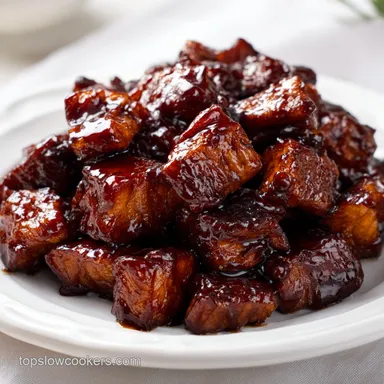
Teriyaki Chicken Stir Fry: Glossy and Savory
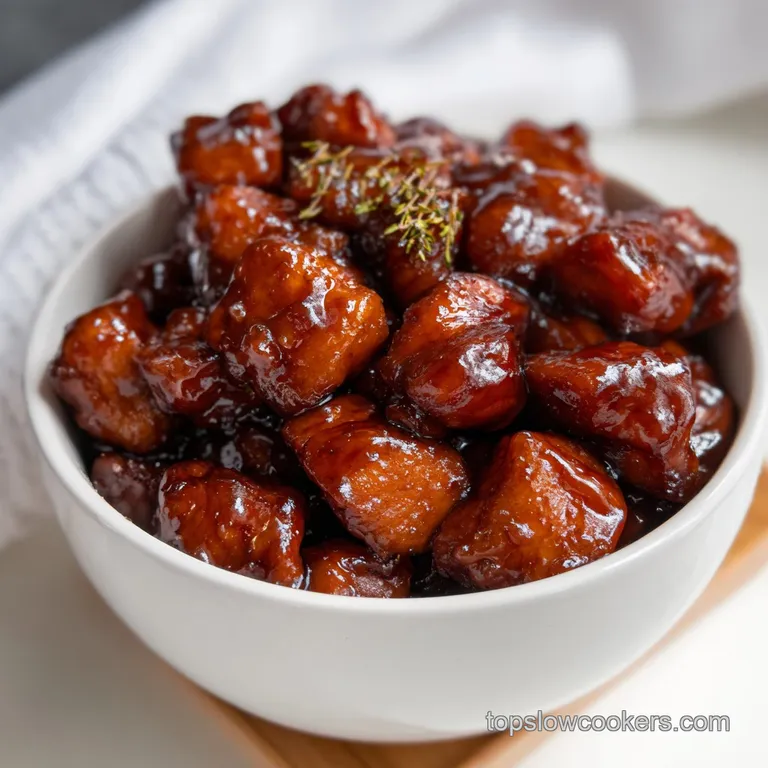
- Time: 15 min prep + 15 min cook = Total 40 mins (includes marinating)
- Flavor/Texture Hook: Velvety chicken with a shatter crisp vegetable snap and a rich, aromatic glaze
- Perfect for: High energy weeknights or a healthy, flavor packed meal prep
Ever wonder why restaurant stir fry has that slippery, silky texture that home cooked chicken just never seems to hit? I used to think it was some top secret chemical or a thousand degree wok that I simply couldn't afford.
For years, I'd just toss chicken in a pan, add sauce, and end up with something that tasted okay but felt like chewing on a rubber band. It was a total letdown every single time.
Then I discovered the "velveting" trick - a tiny bit of cornstarch and soy sauce that transforms the protein. I remember the first time it actually worked; the sizzle in the pan sounded different, and the chicken didn't just brown, it stayed juicy inside while the outside got this incredible, gold edged crust.
That was the moment this Teriyaki Chicken Stir Fry became my go to for when I need bold flavors fast.
This isn't just about tossing ingredients together. It's a game of contrasts. You've got the deep, salty punch of the soy sauce playing against the brightness of the mirin and the earthy warmth of fresh ginger.
The goal is a dish where the broccoli still has a snap and the chicken is velvety, all tied together by a sauce that clings rather than pools. Let's get into it.
Teriyaki Chicken Stir Fry
The magic of a great Teriyaki Chicken Stir Fry is all in the timing. If you crowd the pan, the chicken steams and turns gray. If you overcook the veg, you lose that vibrant color and the crunch. I've spent way too many nights staring at a soggy mess to let you make those same mistakes.
We're going for a over high heat, fast paced approach that respects the ingredients.
Since we're working with bold, international aromatics, the prep is everything. You can't be chopping carrots while the chicken is already searing. Everything needs to be in bowls, measured out, and ready to fly into the pan. It's almost like a choreographed dance - sear, remove, sauté, combine.
Once the sauce hits the pan, it happens fast, so stay focused.
If you're looking for other fast ways to get protein on the table during the week, you might like my Turkey Pasta Sauce recipe, which uses a similar base of aromatics but takes a much slower path to flavor. But for tonight, we're going for speed and intensity.
The Trick Behind the Texture
Starch Coating: Cornstarch creates a thin barrier that prevents the chicken from releasing too much juice, keeping it velvety.
Sugar Reduction: Heating the brown sugar and mirin causes the water to evaporate, concentrating the flavors into a thick, glossy glaze.
Over High heat Searing: Rapidly heating the oil and chicken creates a crust that traps flavor and provides a textural contrast to the sauce.
Vegetable Timing: Adding denser vegetables like carrots first ensures everything reaches the same level of tenderness at once.
| Method | Prep Time | Texture | Best For |
|---|---|---|---|
| Fast (This Recipe) | 15 minutes | Velvety/Crisp | Weeknights |
| Classic | 2-4 hours | Deeply Infused | Special Dinners |
| Slow Cooker | 6-8 hours | Tender/Soft | Meal Prep |
Component Analysis
| Ingredient | Science Role | Pro Secret |
|---|---|---|
| Cornstarch | Protein Shield | Use exactly 1 tbsp to avoid a "pasty" taste |
| Mirin | Acidity/Shine | Adds a subtle sweetness and professional gloss |
| Fresh Ginger | Aromatic Punch | Grate it finely so it melts into the sauce |
| Toasted Sesame Oil | Nutty Finish | Add at the end to preserve the delicate aroma |
Ingredients
For the protein, we're using a mix of salt and starch to prep the meat.
- 1.5 lb boneless skinless chicken breasts or thighs, cut into 1 inch cubes Why this? Thighs are juicier, but breasts are leaner
- 1 tbsp soy sauce Why this? Basic seasoning for the meat
- 1 tbsp cornstarch Why this? Essential for that velvety texture
Now, the bold Teriyaki Chicken Stir Fry sauce.
- 1/2 cup soy sauce Why this? The salty, savory backbone
- 1/4 cup water Why this? Balances the saltiness
- 2 tbsp mirin Why this? Japanese sweet rice wine for shine
- 2 tbsp brown sugar Why this? Adds depth and helps the glaze thicken
- 1 tsp fresh ginger, grated Why this? Sharp, aromatic heat
- 2 cloves garlic, minced Why this? Essential pungent base
- 1 tsp toasted sesame oil Why this? Intense nutty aroma
And finally, the stir fry vegetables.
- 2 cups broccoli florets Why this? Absorbs sauce in the crowns
- 1 large red bell pepper, sliced Why this? Sweetness and vibrant color
- 1 medium carrot, thinly sliced into rounds Why this? Adds a necessary crunch
- 1 tbsp vegetable oil Why this? High smoke point for searing
Substitution Options
| Original Ingredient | Substitute | Why It Works |
|---|---|---|
| Chicken Breasts | Chicken Thighs | Higher fat content. Note: More flavor but slightly higher calorie |
| Soy Sauce | Tamari | gluten-free alternative. Note: Slightly richer, less salty taste |
| Brown Sugar | Honey | Natural sweetener. Note: Makes the glaze stickier and sweeter |
| Broccoli | Snap Peas | Similar crunch. Note: Cooks faster, so add them later |
Right then, before we start, make sure your pan is large enough. If you use a small skillet, the chicken will crowd and steam instead of searing. A wok is the gold standard here, but a wide stainless steel or cast iron pan works just as well.
Key Steps
Phase 1: The Prep and Marinate
Whisk the cubed chicken with 1 tbsp soy sauce and 1 tbsp cornstarch. Note: This creates the velvet coating. Let the mixture marinate for 10 minutes.
While that's sitting, whisk together the 1/2 cup soy sauce, 1/4 cup water, mirin, brown sugar, grated ginger, minced garlic, and toasted sesame oil in a small bowl. Stir until the sugar is completely dissolved.
Phase 2: The Searing Phase
Heat 1 tbsp of vegetable oil in a large skillet or wok over medium high heat. Add chicken in a single layer. Sear undisturbed for 3 minutes until golden brown edges appear, then toss and cook for another 2 minutes. Remove the chicken from the pan and set it aside on a plate.
Don't leave it in there or it'll overcook while the veg fries.
Phase 3: The Vegetable Flash Fry
In the same pan, add a splash more oil if it looks dry. Toss in the carrots and broccoli. Stir fry for 3 minutes until the broccoli is vibrant green. Now, add the sliced red bell peppers.
Stir fry for another 2 minutes until they are just softened but still have a snap.
Phase 4: The Glazing Finish
Return the cooked chicken to the pan and pour in the prepared teriyaki sauce. Stir constantly for 2-3 minutes. You'll hear it bubble and see the sauce reduce until it becomes thick and glossy, coating the chicken and vegetables in a rich, aromatic layer.
Chef Note: If you want a slightly charred flavor, let the sauce bubble for an extra minute without stirring. This allows the sugars to caramelize against the bottom of the pan.
Avoiding Kitchen Disasters
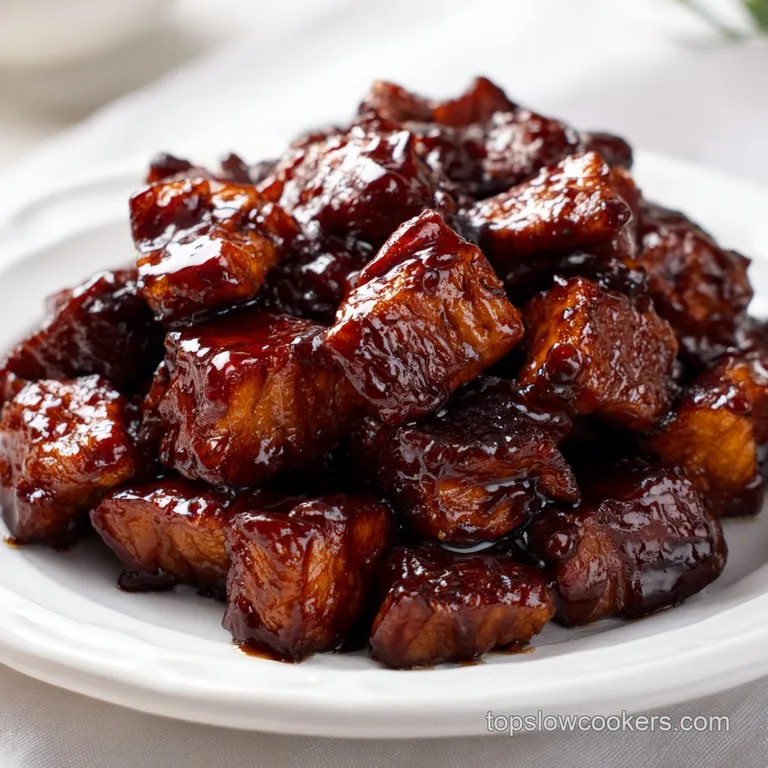
One of the biggest hurdles with a Teriyaki Chicken Stir Fry is temperature control. If the pan isn't hot enough, you're just boiling your meat in its own juices. You want to see the oil shimmering - almost smoking - before the chicken hits the surface.
Troubleshooting Common Issues
| Issue | Solution |
|---|---|
| Why Your Chicken Steams | This usually happens because the pan is too crowded or the heat is too low. When too much cold meat hits the pan, the temperature drops, and the chicken releases moisture that can't evaporate fast eno |
| Why Your Sauce Stays Thin | If your glaze looks more like soup than a coating, it's usually because the sauce hasn't reduced enough or you skipped the cornstarch in the velvet step. The cornstarch from the chicken actually helps |
| Why Your Garlic Burns | Garlic is delicate and burns quickly at high stir fry temperatures. If you add it too early, it turns bitter and black. The fix: We incorporate the garlic into the sauce mixture rather than frying |
Common Mistakes Checklist
- ✓ Did you pat the chicken dry before adding the cornstarch? (Prevents clumping)
- ✓ Is the oil shimmering before you add the meat? (Ensures searing)
- ✓ Did you remove the chicken before adding the vegetables? (Prevents overcooking)
- ✓ Is the sauce bubbling and reducing? (Ensures the glossy finish)
- ✓ Did you use fresh ginger instead of powder? (Powder lacks the aromatic punch)
Make It Your Own
Once you've nailed the base Teriyaki Chicken Stir Fry, you can start playing with the flavors. I love adding a teaspoon of Sriracha or red pepper flakes to the sauce for a bit of a kick. If you want something more aromatic, throw in some sliced green onions at the very end.
For a Nutty Depth
Add a handful of toasted cashew nuts or sliced almonds during the final minute of glazing. This adds a buttery crunch that contrasts the velvety chicken.
For a Plant Based Twist
Swap the chicken for extra firm tofu. Press the tofu for 20 minutes to remove excess water, cube it, and follow the same cornstarch coating process. According to Serious Eats, pressing tofu is the key to getting a crispy exterior.
For Extra Heat
Stir in a tablespoon of chili garlic sauce or gochujang. This shifts the profile from a classic sweet savory to something more aggressive and spicy.
For a Low Sugar Alternative
Replace the brown sugar with a small amount of maple syrup or a monk fruit sweetener. Just keep in mind that the glaze might not get as "sticky" without the molasses in the brown sugar.
Adjusting Serving Sizes
When you're cooking for a crowd or just yourself, you can't just multiply everything blindly. The physics of the pan change when you add more volume.
Scaling Down (Half Portion) Use a smaller skillet to maintain heat. Reduce the cooking time for the vegetables by about 20% since there's less moisture in the pan. If you're using one egg as a binder (though not in this recipe), beat it first and use half.
Scaling Up (Double or Triple) This is where most people mess up. Do NOT double the soy sauce and sugar exactly; start at 1.5x and taste. The salt concentrates more in larger batches. Most importantly, you must work in batches for the searing phase.
If you put 3 lbs of chicken in one pan, you'll end up with a grey, steamed mess.
Baking Variations If you prefer to oven roast the vegetables and chicken, set your oven to 400°F (200°C). Toss everything in the marinade and oil, spread on a sheet pan, and roast for 15-20 minutes.
Toss with the sauce in the last 5 minutes. Note that you'll lose the "wok hei" (breath of the wok) flavor, but it's much more hands off.
Debunking Stir Fry Myths
You've probably heard that you need a professional carbon steel wok to make a "real" stir fry. That's simply not true. While a wok is great for heat distribution, any heavy bottomed skillet or cast iron pan can achieve the same sear if you manage the temperature correctly.
Another common myth is that you need to marinate meat for hours to make it tender. For a Teriyaki Chicken Stir Fry, a 10 minute cornstarch velvet is far more effective than a long soak in soy sauce. The starch physically changes how the meat interacts with the heat, whereas a long marinade mostly just adds salt.
Finally, some people believe you should add the sauce at the beginning. If you do this, you're basically stewing the chicken. The sauce should always be the finishing touch to ensure the vegetables stay crisp and the chicken stays seared.
Storage Guidelines
This dish keeps remarkably well in the fridge. Store it in an airtight container for up to 4 days. The sauce will thicken further as it cools, which is normal.
Freezing Instructions You can freeze the cooked Teriyaki Chicken Stir Fry for up to 2 months. However, be warned: the broccoli will lose its snap and become softer upon thawing. For the best results, freeze the chicken and sauce together, but add fresh vegetables when you reheat it.
Reheating for Texture Avoid the microwave if you can. Instead, toss the leftovers into a hot pan with a teaspoon of water or oil. This helps "wake up" the glaze and prevents the chicken from becoming rubbery.
Zero Waste Tips Don't throw away the broccoli stems! Peel the tough outer skin, slice the tender inner core into rounds, and toss them in with the carrots. They have a wonderful, sweet crunch that's often better than the florets.
If you have leftover sauce, use it as a marinade for salmon or drizzle it over a bowl of steamed rice.
Presentation Tips
A Teriyaki Chicken Stir Fry looks a bit brown if you just dump it on a plate. To make it look like a professional dish, you need contrast. Start with a base of fluffy white jasmine rice or brown rice to soak up the extra glaze.
The Final Touches Sprinkle a generous amount of toasted sesame seeds over the top for texture and visual pop. Add a handful of thinly sliced scallions (green parts only) for a bright, fresh contrast to the rich sauce. A few thin slices of fresh red chili can add a pop of color and a hint of heat.
Plating Strategy Instead of mixing everything into a heap, try plating the rice in a neat mound and spooning the chicken and vegetables over the side. This keeps the rice from getting too soggy and allows the glossy glaze to shine.
If you're feeling fancy, serve it in a shallow bowl with a lime wedge on the side; the hit of acid right before eating cuts through the sweetness of the teriyaki perfectly.
Recipe FAQs
Can I use teriyaki sauce for stir fry?
Yes, it is an ideal choice. The balance of soy and sugar creates a natural glaze that clings to the chicken and vegetables during the final reduction.
Is stir fry ok for diabetics?
Yes, with modifications. Replace the brown sugar with a low-glycemic sweetener to reduce the sugar content while maintaining the savory flavor profile.
What's the secret to tender stir fry chicken?
Whisk the chicken with soy sauce and cornstarch for 10 minutes before cooking. If you enjoyed mastering this velveting technique here, see how a different approach to tender poultry works in our garlic chicken.
Should I put teriyaki sauce on chicken before or after cooking?
Add the sauce after searing the meat and vegetables. This prevents the sugar from burning and allows the sauce to bubble into a thick, glossy coating.
Can I make this in a slow cooker instead?
Yes, but the texture will differ. Slow cooking makes the chicken very tender, but you will lose the charred edges and the vibrant snap of the fresh vegetables.
Why is my chicken steaming instead of searing?
Avoid crowding the pan. When too much meat is added at once, the temperature drops and releases moisture that steams the chicken instead of browning it.
How to reheat leftovers without losing texture?
Toss leftovers into a hot pan with a teaspoon of water. This restores the glossy finish of the sauce and prevents the chicken from drying out.
Teriyaki Chicken Stir Fry in 30 Minutes