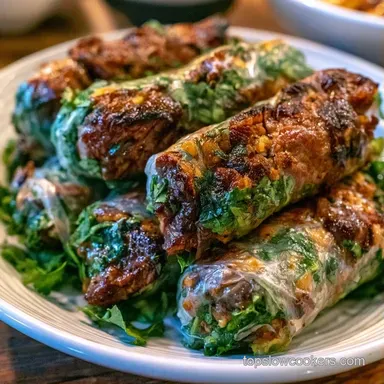
Vietnamese Beef Rice Paper Wraps with Lemongrass
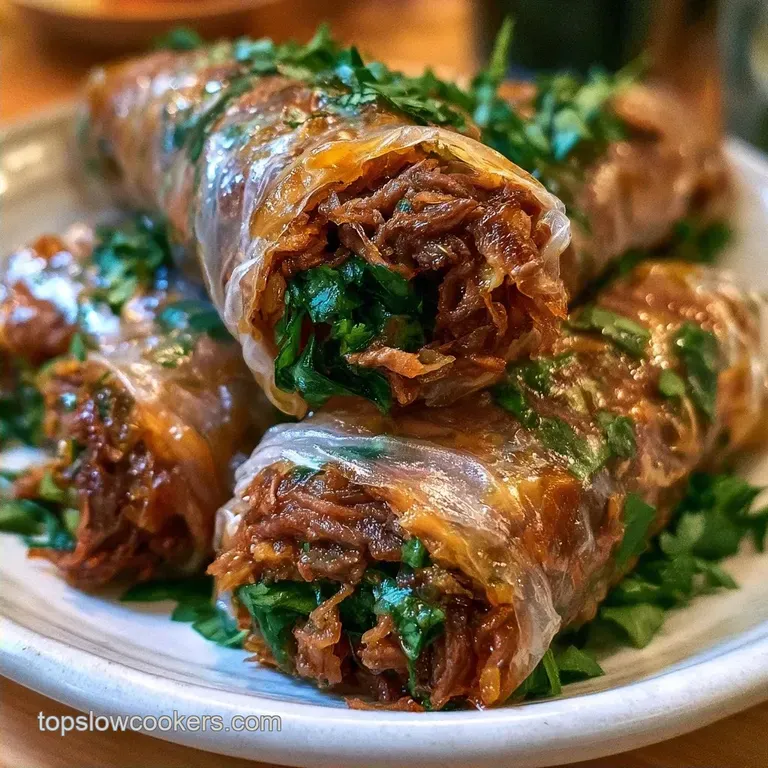
- Time: 10 min prep + 15 min cook
- Flavor/Texture Hook: Crispy seared beef and chewy, translucent wraps
- Perfect for: Lively dinner parties or a fresh weeknight meal
- Why You'll Love Beef Rice Paper Wraps
- What Makes This Work
- Ingredient Deep Dive
- Fresh Ingredients and Smart Swaps
- Gear for the Kitchen
- Step-by-Step Assembly Process
- Fixing Common Wrap Issues
- Creative Flavor Twists
- Saving and Reheating Your Rolls
- Serving the Final Plate
- Very High in Sodium
- Recipe FAQs
- 📝 Recipe Card
Why You'll Love Beef Rice Paper Wraps
The sound of sirloin hitting a ripping hot pan is where this meal starts. That aggressive sizzle tells you exactly when the beef is getting those charred, caramelized edges that make this dish pop. I remember making these for a friend who thought all rice paper rolls were bland salad wraps.
One bite of the lemongrass infused beef and she was hooked.
These aren't your standard appetizers. They bring a bold, aromatic punch that cuts through the chewiness of the rice paper. It's the kind of food that looks impressive on a platter but doesn't keep you trapped in the kitchen all night.
You can expect a mix of textures here. You get the snap of fresh cucumber, the softness of vermicelli, and that punchy, savory beef. It's a bright, international flavor profile that feels light but leaves you feeling full.
What Makes This Work
Over High heat Sear: Cooking the beef quickly at high temperatures creates a brown crust without overcooking the inside. This keeps the meat tender while adding a smoky depth.
Temperature Contrast: Pairing hot beef with chilled vegetables keeps the rice paper from melting or tearing too quickly. It creates a dynamic eating experience.
Acidic Balance: The lime juice in the dipping sauce cuts through the richness of the sirloin and the salty fish sauce.
| Method | Time | Texture | Best For |
|---|---|---|---|
| Stovetop | 25 mins | Charred & Fresh | Fast weeknight meals |
| Oven Baked | 40 mins | Crispy & Uniform | Large crowds |
Ingredient Deep Dive
| Ingredient | What It Does | Best Swap |
|---|---|---|
| Sirloin Steak | Provides lean, beefy flavor | Flank steak (chewier) |
| Lemongrass | Adds a citrusy, aromatic punch | Lemon zest + ginger |
| Fish Sauce | Adds salty, umami depth | Soy sauce + pinch of salt |
| Rice Paper | Holds everything in a chewy shell | Lettuce leaves (low carb) |
Fresh Ingredients and Smart Swaps
- - 2 tbsp fish sauce (Substitute
- Soy sauce)
- - 1 tbsp soy sauce (Substitute
- Tamari)
- - 3 cloves garlic, minced (Substitute
- Garlic powder)
- - 1 tbsp brown sugar (Substitute
- Honey)
- - 1 tbsp vegetable oil (Substitute
- Grapeseed oil)
- - 1 cup cucumber, julienned (Substitute
- Daikon radish)
- - 1 cup carrots, julienned (Substitute
- Red bell pepper)
- - 20g fresh mint leaves (Substitute
- Basil)
- - 20g fresh cilantro (Substitute
- Parsley)
- - 1/4 cup fish sauce (Substitute
- Vegan fish sauce)
- - 1/4 cup lime juice (Substitute
- Rice vinegar)
- - 2 tbsp sugar (Substitute
- Maple syrup)
Gear for the Kitchen
You'll want a large non stick skillet or a carbon steel wok. These handle the high heat needed to sear the beef without it sticking. A wide, shallow bowl is a must for dipping the rice paper. If the bowl is too small, the sheets will curl and crack.
I also suggest using a sharp chef's knife for the julienne vegetables. You want thin, uniform strips so the wraps roll smoothly. If you have a mandoline slicer, use it for the carrots and cucumbers to save time.
Step-by-step Assembly Process
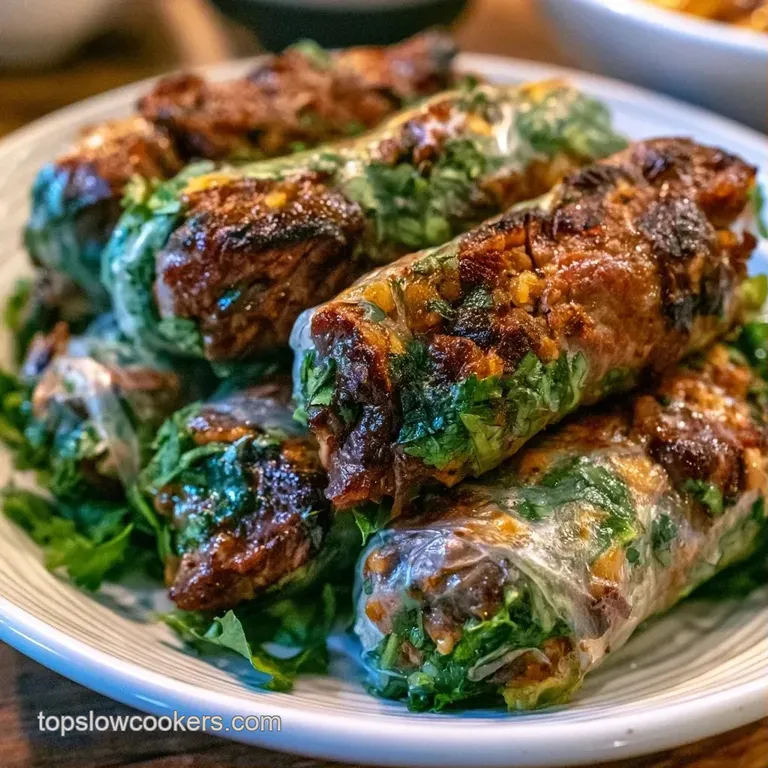
Phase 1: Searing the Lemongrass Beef
- Toss the sliced sirloin with minced lemongrass, garlic, fish sauce, soy sauce, and brown sugar in a mixing bowl. Note: Let it sit for 5 mins to absorb flavors.
- Heat vegetable oil in a large non stick skillet over high heat until it shimmers.
- Add the beef in a single layer. Sear for 2–3 minutes without moving it until a brown crust forms.
- Stir fry for another 2 minutes until the beef is just cooked through. Remove from heat immediately to prevent toughness.
Phase 2: Preparing the Assembly Station
- Drain the cooked vermicelli and arrange julienned carrots, cucumbers, and fresh herbs on a platter. Note: Keeping these cold helps the wrap stay intact.
- Fill a shallow bowl with lukewarm water.
Phase 3: Rolling the Beef Rice Paper Wraps
- Dip one sheet of rice paper into the water for 3 5 seconds, then lay it flat on a clean surface. Note: Don't over soak or it becomes too mushy.
- Layer a small handful of noodles and a portion of seared beef in the center. Top with cucumber, carrots, and herbs.
- Tuck in the sides of the rice paper and roll tightly to seal the wrap. Ensure the beef is centered so the roll stays balanced.
- Whisk together fish sauce, lime juice, sugar, minced garlic, and warm water until the sugar dissolves.
Chef: If you find the rice paper too sticky, keep a damp towel nearby to wipe your fingers between rolls.
Fixing Common Wrap Issues
Dealing with rice paper can be tricky if you've never done it. Most issues come down to water temperature or overfilling. If you want a different texture, you might try Baked Beef Rice Paper Dumplings for something with more crunch.
Ripped Rice Paper Fixes
If your wraps are tearing, you're likely soaking them for too long. The paper should still feel slightly firm when it hits the counter; it will soften as you add fillings. Also, avoid overloading the center.
Chewy Beef Issues
Tough beef usually happens when you crowd the pan. If there's too much meat, the temperature drops, and the beef steams in its own juices instead of searing. Work in batches if your skillet is small.
Sticky Wraps
Rice paper naturally sticks to itself. To prevent this, leave a small gap between each roll on the platter. You can also lightly brush the finished rolls with a tiny bit of vegetable oil.
| Problem | Root Cause | Solution |
|---|---|---|
| Paper rips | Over soaking | Dip for 3 seconds max |
| Beef is gray | Pan not hot enough | Wait for oil to shimmer |
| Wraps unroll | Loose tucking | Pull sides tight before rolling |
Creative Flavor Twists
You can easily change the vibe of these Beef Rice Paper Wraps by swapping the marinade. For something more earthy, try adding a teaspoon of peanut butter to the beef mixture. It adds a rich, nutty undertone that pairs well with the mint.
If you're looking for a different version of this meal, my Rice Paper Rolls 25m recipe are a great alternative if you don't have sirloin on hand.
For a low carb version, skip the rice paper and noodles. Use large butter lettuce or collard green leaves as the wrap. You'll lose the chew, but you get a crisp, fresh snap that's just as satisfying.
You could also try making Fried Beef Rice Paper Rolls by pan frying the finished wraps in oil for 2 minutes per side until they blister and crisp up.
Decision Shortcut
- If you want more crunch: Add shredded purple cabbage.
- If you want more heat: Add sliced Thai bird's eye chilies to the dipping sauce.
- If you want a smoky flavor: Use a grill instead of a skillet for the beef.
Saving and Reheating Your Rolls
These Beef Rice Paper Wraps are best eaten fresh. Once the rice paper sits, it can become overly soft , conversely, dry out and harden. However, you can store the components separately for a few days.
Store the seared beef in an airtight container in the fridge for up to 3 days. Keep the julienned vegetables in a separate container with a damp paper towel to maintain crispness. When you're ready to eat, just roll them fresh. It only takes a few minutes.
Freezing these rolls isn't recommended because the rice paper breaks down during the thawing process, leaving you with a gummy mess. If you must freeze the beef, do it before rolling. Freeze the marinated, seared beef in a vacuum sealed bag for up to 2 months.
To reheat the beef, use a skillet over medium heat for 2-3 minutes. Don't microwave it for too long, or the sirloin will turn rubbery.
Serving the Final Plate
Arrange your Beef Rice Paper Wraps on a large wooden board or a ceramic platter. I like to pile them slightly overlapping to show off the colorful fillings inside. Place the dipping sauce in a small bowl in the center for easy access.
To complete the meal, serve these with a side of pickled daikon and carrots (do chua). The acidity of the pickles complements the rich beef and the sweetness of the dipping sauce. A bowl of steamed jasmine rice on the side is great if you're serving these as a main course rather than an appetizer.
For an extra touch, garnish the platter with extra sprigs of mint and cilantro. It makes the dish look vibrant and smells fresh the moment it hits the table. These rolls are a bold way to introduce international flavors to your dinner routine without spending hours on prep.
Very High in Sodium
1840 mg 1,840mg of sodium per serving (80% 80% of daily value)
The American Heart Association recommends a daily sodium limit of 2,300mg, with an ideal limit of 1,500mg for most adults to reduce the risk of cardiovascular disease.
Tips to Reduce Sodium
-
Low-Sodium Fish Sauce-20%
Replace the fish sauce in both the marinade and the dipping sauce with a low-sodium fish sauce alternative.
-
Swap Soy Sauce-20%
Substitute the soy sauce in the steak marinade with coconut aminos, which contains significantly less sodium while providing a similar umami flavor.
-
Balance with Acidity-15%
Increase the lime juice proportion in the dipping sauce and reduce the fish sauce quantity by half to maintain a bright, zesty taste.
-
Boost Fresh Herbs
Increase the amount of fresh mint and cilantro to add more aromatic depth and flavor without adding any salt.
Recipe FAQs
How to fry Vietnamese rice paper spring rolls?
Heat vegetable oil in a skillet until shimmering. Carefully slide in the wrapped rolls and fry until they are golden brown and crisp on all sides.
What are some great side dishes for spring rolls?
Serve with a light cucumber salad or pickled vegetables. If you enjoy these fresh flavors, you might also like our shrimp rolls as a complementary appetizer.
What makes spring rolls crispy?
Deep frying in hot oil creates the outer crunch. For these fresh wraps, the crispiness comes from the high heat sear on the sirloin steak.
What are Vietnamese rice paper spring roll wrappers?
Dried sheets made from rice flour and water. They become pliable and translucent after a quick dip in lukewarm water.
What is the best sauce for spring rolls?
A balanced mix of fish sauce, lime juice, and sugar. This provides the essential salty and sour profile that complements the savory beef.
Is rice paper Chinese or Vietnamese?
It is Vietnamese. While other Asian cultures use rice based wrappers, these specific sheets are a hallmark of Vietnamese cuisine.
How to prevent rice paper from tearing during assembly?
Dip the sheet for only 3 5 seconds. Over soaking makes the paper too soft and prone to ripping; it should feel slightly firm when laid flat.
Beef Rice Paper Wraps