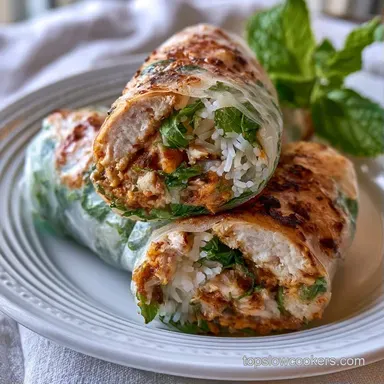
Gluten Free Chicken Rice Paper Rolls
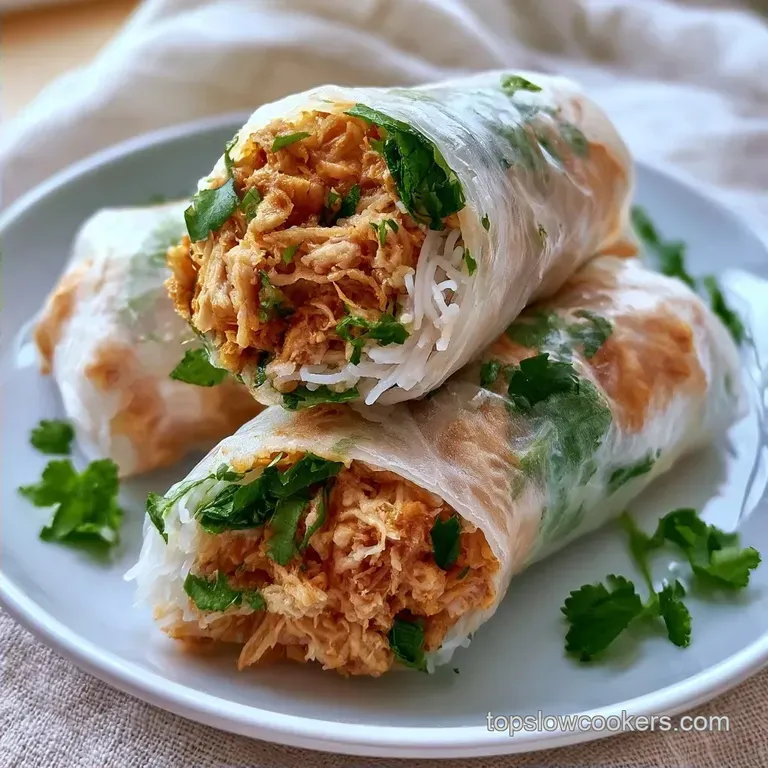
- Time: 20 min active + 10 min cook
- Flavor/Texture Hook: Savory mahogany glaze with a crisp, fresh snap
- Perfect for: A light dinner or a bold appetizer for friends
Making Fresh Chicken Rice Paper Rolls
The smell of ginger and sesame oil hitting a hot skillet always takes me back to my first attempt at these. I remember thinking I could just throw everything in the wrapper and hope for the best, only to end up with a soggy, torn mess that looked more like a wet napkin than a roll.
It's a humbling experience, but once you get the hydration and the "dry prep" down, it's a total win.
I usually make these on Friday nights when the weather is warm. There's something about the ritual of dipping the rice paper and layering the colors - the orange of the carrots, the deep green of the mint - that feels meditative. It's the kind of food that makes your kitchen feel like a little pocket of Southeast Asia.
You're going to get a mix of temperatures here. The chicken is cooked and cooled, but it still holds that rich, savory depth that cuts through the cold, fresh vegetables. If you're looking for gluten free Chicken Rice Paper Rolls, this version fits the bill since we use tamari instead of soy sauce.
Things No One Tells You
The Dry Prep: Most people just slice their veg and toss them in. But if you don't press those cucumber and carrot sticks with a paper towel, that extra water seeps into the rice paper. That's how you get rolls that slide apart or turn mushy after an hour.
The Set Time: Don't just roll and serve. Let the rolls sit for about 60 seconds on a flat surface. This gives the rice paper a moment to fully bond with the filling, creating a tighter seal that doesn't leak.
Water Temp: Use lukewarm water, not boiling. Hot water melts the rice paper too quickly, making it overly stretchy and prone to tearing the second you add the chicken.
Why water temperature matters
Lukewarm water softens the starch without breaking down the structure. If it's too hot, the paper becomes a gummy film that sticks to everything.
Preventing soggy rolls
Pressing the moisture out of your carrots and cucumbers keeps the interior dry. This ensures the wrapper stays translucent and firm.
Getting the seal
A tight roll depends on the "tuck and roll" technique. Tucking the sides first prevents the filling from poking through the edges.
DIVTABLE_0
The Quick Recipe Specs
The key to this dish is the balance of the warm glaze and the cold crunch. It's a fast process, but the detail is in the prep. According to USDA FoodData, chicken breast provides a lean protein base that absorbs the tamari and ginger glaze without becoming greasy.
Decision Shortcut: If you want a crunchier bite, use more butter lettuce. If you want a bolder flavor, double the ginger in the chicken glaze. If you're serving a crowd, prep all fillings in bowls before dipping the first paper.
The Shopping List Breakdown
The ingredients here focus on aromatics and contrast. I prefer tamari over standard soy sauce to keep things gluten-free and a bit richer.
| Ingredient | What It Does | Best Swap |
|---|---|---|
| Chicken Breast | Hearty protein base | Firm Tofu |
| Rice Paper | Chewy, translucent wrap | Lettuce leaves (for wraps) |
| Tamari | Salt and umami depth | Coconut Aminos |
| Peanut Butter | Creamy, nutty base for sauce | Almond Butter |
For the Protein
- 1 lb boneless skinless chicken breast, thinly sliced Why this? Slices cook faster and fit better in rolls
- 2 tbsp tamari Why this? Adds deep saltiness without gluten
- 1 tbsp sesame oil Why this? Provides a toasted, nutty aroma
- 1 tsp grated fresh ginger Why this? Adds a sharp, zesty kick
For the Roll Assembly
- 12 sheets Vietnamese rice paper wrappers Why this? Standard size for easy rolling
- 4 oz rice vermicelli noodles, cooked and cooled Why this? Adds bulk and a slippery texture
- 1 cup shredded carrots Why this? Adds sweetness and color
- 1 cup thinly sliced cucumber Why this? Provides a refreshing water crunch
- 2 cups fresh mint and cilantro leaves Why this? Essential aromatic punch
- 1 head butter lettuce, shredded Why this? Acts as a barrier to prevent sogginess
For the Signature Dipping Sauce
- 1/2 cup creamy peanut butter Why this? The rich, fatty base
- 2 tbsp tamari Why this? Balances the sweetness
- 1 tbsp maple syrup Why this? Natural sweetener for a glossy finish
- 1 tbsp sriracha Why this? Adds a vinegary heat
- 3 tbsp warm water Why this? Adjusts the pourable consistency
Necessary Kitchen Equipment
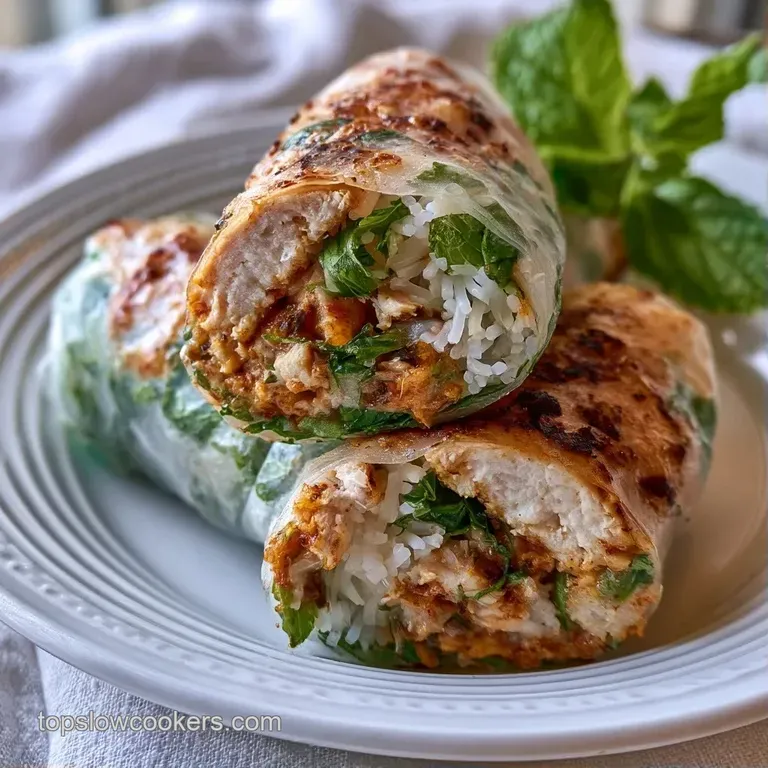
You don't need a professional kitchen for this, but a few tools make it easier. I use a large skillet for the chicken so the pieces don't crowd and steam. A wide, shallow dish or a baking sheet is a must for dipping the rice paper - if the dish is too small, the paper will fold and tear.
I also highly recommend a damp lint free cloth. Laying the dipped rice paper on a damp cloth prevents it from sticking to your countertop, which is a common headache when assembling Chicken Rice Paper Rolls.
Walking Through Key Steps
Let's get into it. The flow here is: cook the protein, prep the cold stuff, and then assemble.
- Heat a skillet over medium high heat. Add chicken breast and sauté until opaque and just cooked through (about 5-7 minutes).
- Stir in tamari, sesame oil, and ginger. Cook until the liquid reduces to a mahogany colored glaze. Remove from heat and let it cool completely. Note: Adding hot chicken to the paper will tear it.
- Slice carrots and cucumbers into matchsticks. Use a paper towel to press out excess moisture.
- Rinse cooked vermicelli under cold running water until the starch is gone and the noodles feel slippery.
- Whisk together peanut butter, tamari, maple syrup, sriracha, and warm water until smooth.
- Dip a sheet of rice paper into lukewarm water for a few seconds until softened, then lay it flat on a clean damp cloth.
- Place a small piece of lettuce, a portion of noodles, chicken, carrots, cucumber, and herbs in the center of the wrapper.
- Roll tightly, tucking in the sides. Allow the roll to set for 60 seconds on a flat surface to seal.
Chef's Tip: To get the most aromatic result, slap your mint leaves against the counter once before putting them in the roll. It releases the essential oils without bruising the leaf.
The Troubleshooting Guide
Even with a plan, things can go sideways. Usually, it's a hydration issue. If your rolls feel too sticky, you've likely over soaked the paper. If they're stiff, you didn't dip them long enough.
| Issue | Solution |
|---|---|
| Why Your Rolls Tear | Tearing happens when the paper is too wet or the filling is too hot. The heat from the chicken can melt the starch in the wrapper, creating a hole. |
| Why Your Rolls Stick | If you stack them immediately, they'll fuse together. The rice paper remains slightly tacky for a while. |
| Why Your Rolls Feel Mushy | This is almost always due to wet vegetables. If you skip the paper towel step, the water migrates from the cucumber into the wrapper. |
Bold Flavor Variations
If you want to switch things up, you can easily modify the fillings. For a more intense experience, I love adding a few slices of fresh jalapeño or a squeeze of lime juice over the chicken before rolling.
If you're feeling adventurous, try changing Chicken Rice Paper Rolls into a fried version. You can find Fried Rice Paper Rolls if you prefer a hot, bubbly crunch over the fresh snap.
You could also swap the chicken for shrimp. If you enjoy that, check out my Paper Rolls with Shrimp recipe for a more traditional seafood take. For those wanting something plant based, use marinated tofu and swap the tamari for a coconut based aminos sauce to make these Free Chicken Rice Paper Rolls a vegan friendly option.
Make-ahead and Storage
These are best eaten fresh, but you can prep them in advance if you're hosting. I recommend prepping the chicken and the sauce up to 2 days early. Keep the sliced vegetables in separate airtight containers.
Fridge Storage: Store finished rolls in an airtight container lined with parchment paper between layers. They'll stay fresh for about 2 days. Any longer and the rice paper starts to harden or the vegetables lose their snap.
Freezing: Honestly, don't freeze these fresh. The water content in the vegetables will expand and destroy the wrapper. If you want to freeze them, you'd need to make a fried version first.
Zero Waste Tips: Don't toss the carrot tops - blend them with olive oil, garlic, and nuts for a zesty pesto. Use the cucumber ends to infuse water or add them to a quick pickle for another meal.
Best Serving Suggestions
These rolls are light, so they work great as a starter or a light lunch. For a full meal, I like to serve them with a side of chilled edamame or a spicy papaya salad.
If you're putting together a full Vietnamese feast, pair these with a bowl of steaming jasmine rice and some pickled daikon. The acidity of the pickles cuts through the richness of the peanut sauce beautifully.
For a quicker vibe, just serve them on a platter with the dipping sauce in the center and let everyone grab them as they please.
The beauty of Free Chicken Rice Paper Rolls is that they don't require a heavy side. The combination of protein, healthy fats from the peanut butter, and fresh greens makes it a balanced plate on its own. Just make sure you have plenty of napkins, as the peanut sauce can get a bit messy.
Recipe FAQs
How to fry Vietnamese rice paper spring rolls?
Heat oil in a skillet over medium high heat. Carefully fry the rolls until the rice paper becomes bubbly and golden brown, turning them occasionally to ensure an even crisp.
Do the Chinese have rice paper rolls like the Vietnamese?
No, the styles are distinct. Chinese spring rolls typically utilize a wheat flour wrapper and are traditionally deep fried, while Vietnamese rice paper rolls are often served fresh and translucent.
What are Vietnamese rice paper spring roll wrappers?
Dried disks made from rice flour and water. These sheets are hard and brittle until dipped in lukewarm water, which makes them pliable enough to wrap fillings.
What makes spring rolls crispy?
High temperature and minimal moisture. Pressing cucumbers and carrots with a paper towel prevents steam from softening the wrapper; if you enjoyed mastering this moisture control, the same principle applies to crispy rice paper dumplings.
How to eat Vietnamese rice paper?
Dip the roll into a flavorful sauce. Pair these with the peanut butter and sriracha dipping sauce to balance the fresh herbs and savory chicken.
Can I use chicken teriyaki in rice paper rolls?
Yes, it is a great substitute. Any chicken with a reduced, mahogany colored glaze will complement the cold vegetables and rice paper perfectly.
Why do my rice paper rolls tear or turn mushy?
You are likely over soaking the wrappers or using wet vegetables. Dip the paper for only a few seconds and use a paper towel to dry your sliced cucumbers and carrots before rolling.
Chicken Rice Paper Rolls